
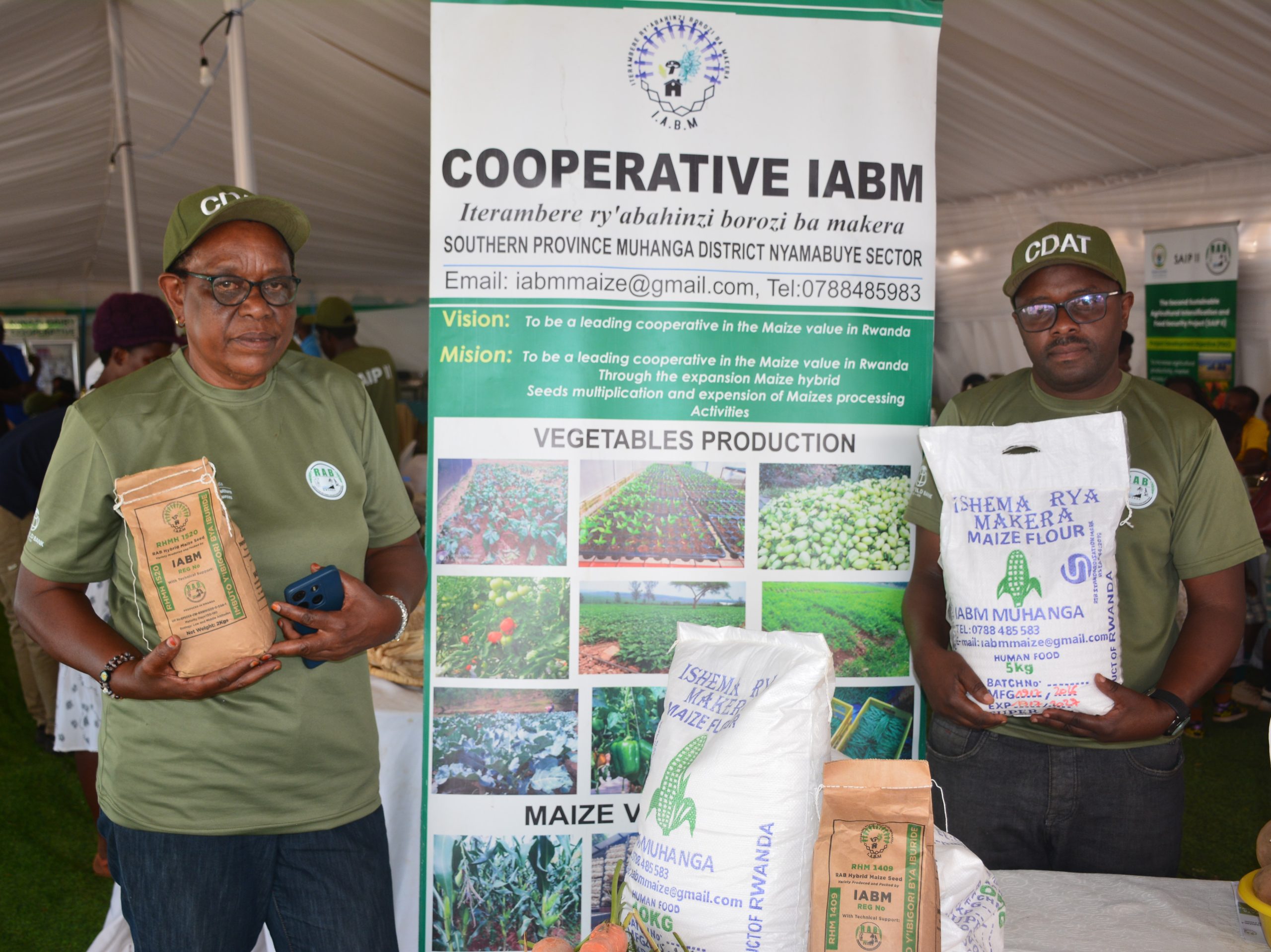
For years, smallholder farmers in Muhanga District produced crops with limited technical knowledge, affecting both their productivity and income. Today, through an impactful partnership with the Commercialization and De-Risking for Agricultural Transformation (CDAT) project, local producers are building a resilient agribusiness that turns seasonal harvests into long-term commercial success.
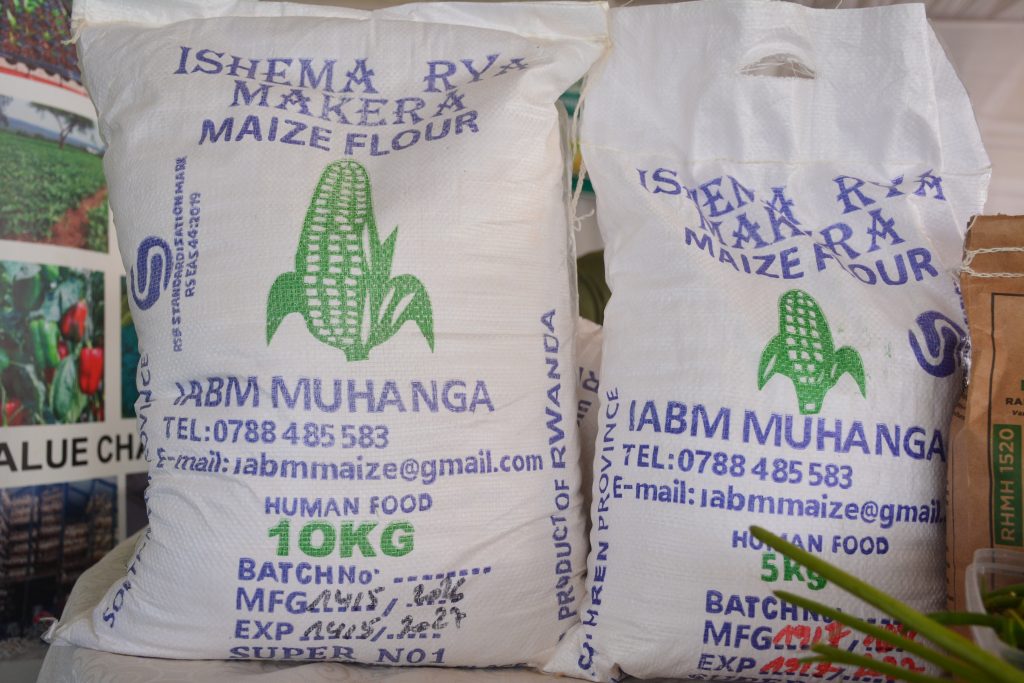
Located across Nyamabuye, Muhanga, and Cyeza sectors, IABM Cooperative (Iterambere ry’Abahinzi-Borozi ba Makera) brings together 1,856 farmers organized into 60 groups, including 1,000 women and 127 youth. The cooperative cultivates maize and high-value vegetables while operating its own processing unit to produce "Ishema rya Makera" maize flour.
Before receiving CDAT support, farmers struggled with proper fertilizer application, soil fertility management, and organic manure production. Through structured training, farmer exchange visits, and technical guidance, members learned how to produce quality organic fertilizer from crop residues, adopt precision fertilization, and implement small-scale irrigation.
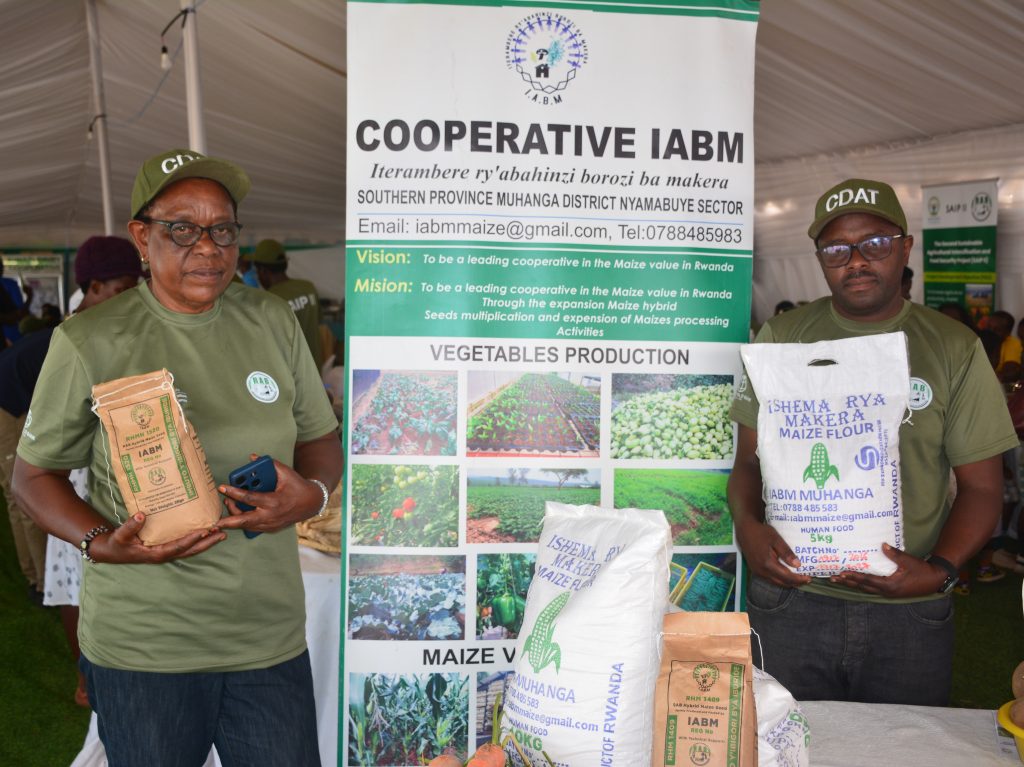
"CDAT has helped us solve many daily challenges in our fields. Before their intervention, we did not know the right quantity of fertilizer to use, nor did we know how to prepare organic fertilizer from crop waste," said Uzamukunda Yukunda, President of IABEM Cooperative. "Through study tours, our members gained practical skills to increase production, reduce input costs, and protect our soil."
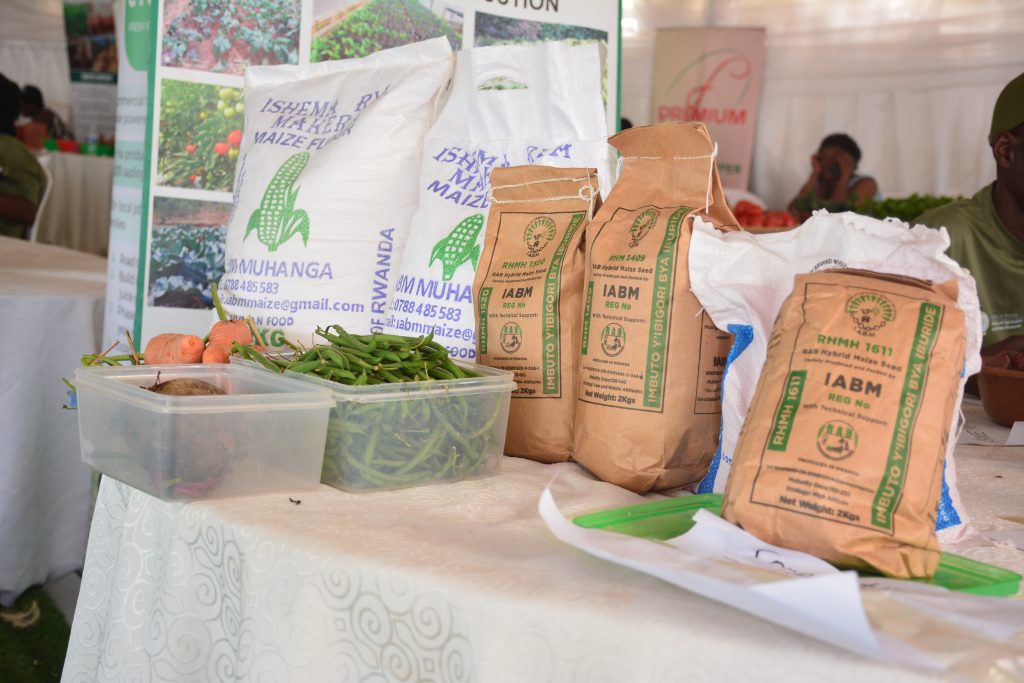
The technical support has also unlocked broader market access. IABM produces certified hybrid maize seeds approved by the Rwanda Inspectorate, Competition and Consumer Protection Authority (RICA), distributing high-quality seeds to farmers in 11 districts across Rwanda. Additionally, the cooperative's French beans have reached international export markets through a joint initiative between CDAT and the National Agricultural Export Development Board (NAEB).
At #RwandaAgriShow2026 at Mulindi in Kigali, IABM showcased its certified hybrid seeds and "Ishema rya Makera" flour, connecting directly with commercial buyers, institutional partners, and agricultural stakeholders.
Despite their momentum, the cooperative faces ongoing climate vulnerabilities in its undeveloped marshland area. Heavy rains risk flooding crops, while prolonged dry spells create water shortages due to limited drainage and harvesting infrastructure.
"We are deeply grateful for the support we have received from CDAT, but we still need sustainable water management solutions so we can protect our crops and maintain yield quality throughout the year," Yukunda added.
Implemented under the Single Project Implementation Unit (SPIU) of the Rwanda Agriculture and Animal Resources Development Board (RAB), CDAT continues to strengthen agricultural value chains, improve market access, and reduce climate risks for smallholders and agro-SMEs.
For the members of IABM, the greatest transformation is not just the boost in harvest yields it is a fundamental shift in mindset from farming for survival to running a sustainable, market-driven enterprise.
Written by Jean Bernard MUKUNDENTE