
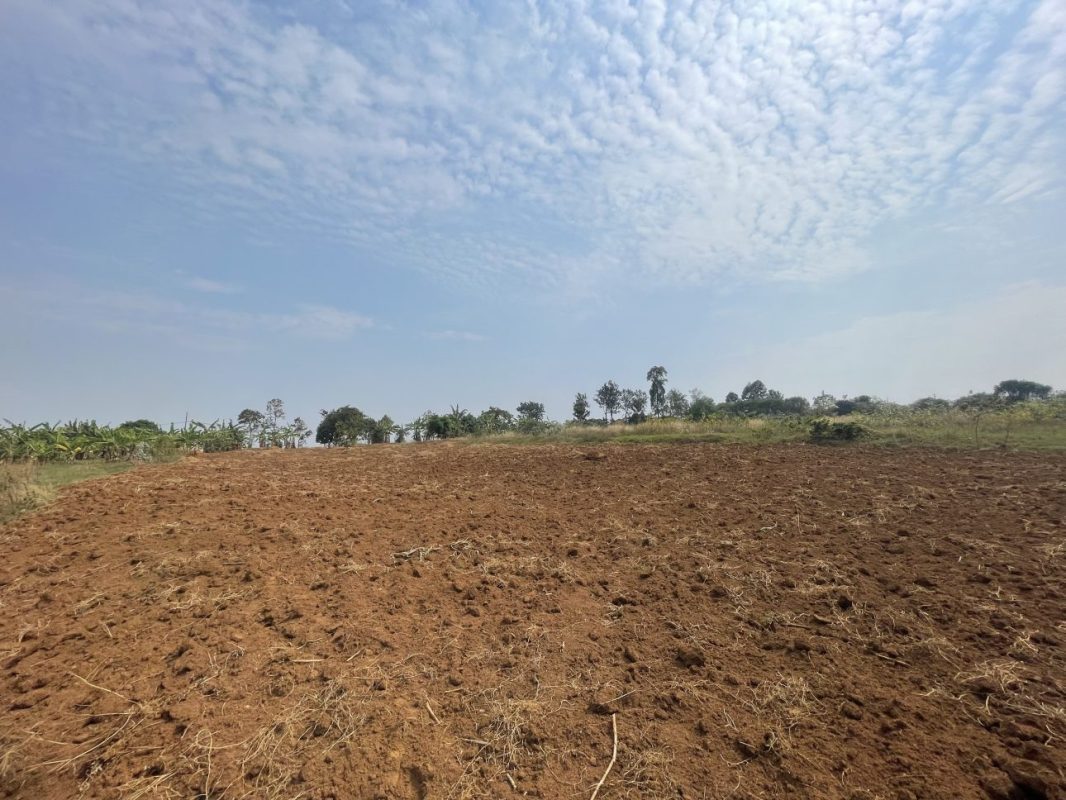
The City of Kigali is taking proactive steps to safeguard its agricultural land as urban development accelerates. Kigali City Master Plan designates 22 percent of city land for agricultural use because it serves as essential resource for food security and environmental protection. City officials emphasize that protecting this land is essential as the city’s population continues to grow.
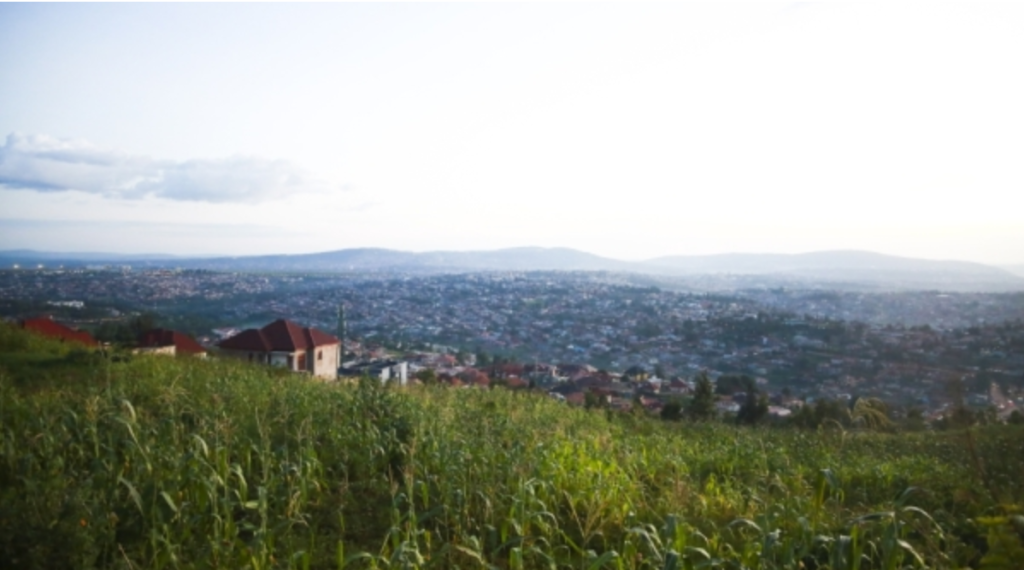
“While approximately 32 per cent of Kigali’s area is allocated for residential and commercial development, the agricultural land must be preserved to ensure food production and green spaces,” said Fulgence Dusabimana, Kigali’s Vice Mayor in charge of Urbanisation and Infrastructure. He indicated that agricultural land will develop into more valuable property than residential plots because of increasing population demand for food and natural land benefits.

The National Land Authority (NLA) has warned against illegal changes to land use, urging citizens to verify the designated purpose of land before any transaction. “Subdividing or converting land earmarked for agriculture, livestock, or forestry without authorization is prohibited,” stated NLA Director General Marie-Grâce Nishimwe. The public can access land-use details through the geodata portal or by calling *651# on MTN network.
Kigali City Mayor Samuel Dusengiyumva announced that the city will use satellite imaging and drone technology to improve enforcement operations against illegal building activities. Authorities discovered more than 4,000 unauthorized houses constructed since July 2024 because multiple structures violated the city’s established planning rules. Officials say stricter measures, including the promotion of vertical housing, are needed to conserve land and accommodate population growth.

Food security remains a top priority. Solange Uwituze, State Minister in the Ministry of Agriculture, highlighted that only 1.4 million hectares are currently available for agriculture nationwide, while the population is projected to reach 23 million by 2050. “Agriculture is the backbone of our economy, supplying 90 per cent of the country’s food and generating nearly 70 per cent of export revenues. Protecting agricultural land is crucial to meet these demands,” she said.
The city uses technology to monitor and plan operations because this system will protect farmland while promoting sustainable city growth and environmental protection.
Source: Adapted from reporting by The NewTimes