
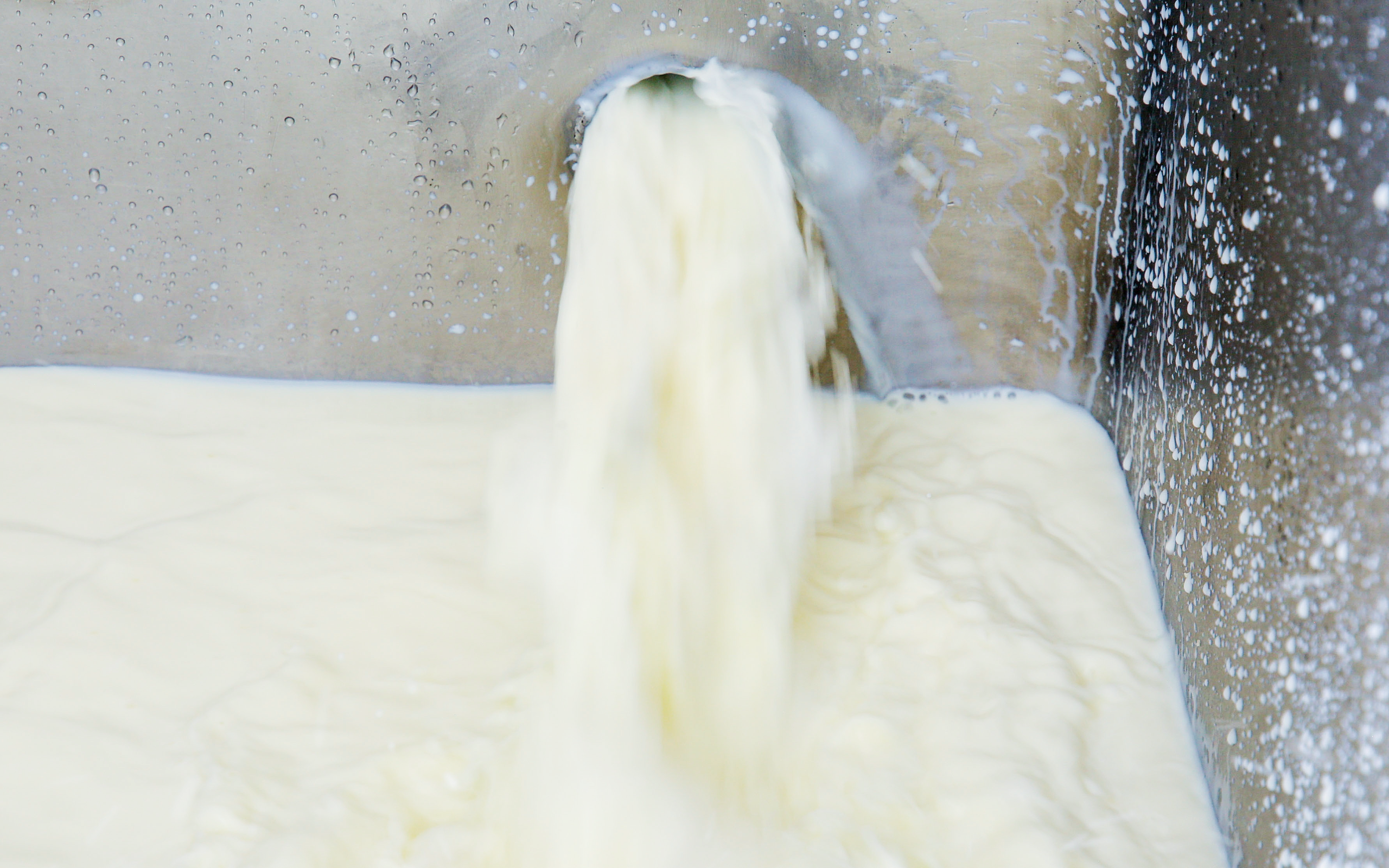
Minister of Agriculture and Animal Resources, Telesphore Ndabamenya, announced on Friday at a National Workshop on Food Security and Nutrition, that through a series of targeted reforms the government plans to more than double their current daily Milk production (currently at 2.9 million litres/day) to 6.8 million litres/day by 2029.
To assist the dairy sector with increasing milk production, Ndabamenya pointed out several of the dairy sector's structural challenges which hindered their ability to increase milk production.
"The dairy sector suffers from poor productivity due to limited access to quality genetics, inadequate artificial insemination services, poor nutrition due to the high cost and availability of quality feeds, inadequate health services for cattle and lastly water shortages," Hon Minister Ndabamenya said.
The government will implement transformative actions to address these obstacles which include building the Songa Centre that will produce 972000 semen doses.The minister added that 1,500 new artificial insemination technicians will be trained by 2029.
“The government has designed these interventions to achieve major improvements in cattle genetics which will increase dairy value chain productivity according to the Minister Ndabamenya”
TRwanda Agriculture and Animal Resources Development Board RAB acquired 10 high-genetic-merit Holstein-Friesian bulls from top German cattle breeders to strengthen the national artificial insemination program.
The upcoming delivery will include 20 high-genetic-merit bulls in April which will have Holstein-Friesian Jersey and Brown Swiss bulls for dairy production and Angus and Charolais bulls for beef production.
Centre of Excellence at Songa
The investment supports the establishment of a Centre of Excellence in Bovine Genetic Improvement at Songa, in Huye District, which will serve as a national hub for advanced livestock technologies.
“The Songa centre will provide improved dairy and beef genetics, promote advanced reproductive technologies such as artificial insemination and embryo transfer, and act as a hub for training, research, and innovation according to Ndabamenya.”
Feed, water and veterinary services
The minister said climate-resilient fodder production should be expanded while youth-led animal feed enterprises should be supported because these actions will lead to increased milk production.
The minister said that affordable and nutritious animal feed needs to become more accessible because this will enable sustainable increases in milk production.
The government will construct 550 new boreholes and repair existing valley dams to help solve water problems which will benefit more than 300000 cows and 25000 farmers.
The ministry will establish new clinics to strengthen veterinary services and introduce digital disease surveillance systems while providing support to private-sector veterinary services.
The government will work with private veterinarians under the Rwanda Council of Veterinary Doctors RCVD program between 2025 and 2029 while providing Community Animal Health Workers CAHWs with required tools to reach more farmers.
Expanding milk collection infrastructure
Rwanda will upgrade 130 milk collection centers MCCs through FASPOL support and a Polish dairy equipment manufacturer which includes building 47 new facilities and raising milk cooling coverage to 82 percent which translates to about 1.32 million litres per day.
Lawmakers also weighed in on the reforms. MP Théâtrefood Munyangeyo stressed the importance of feed availability.
Munyangeyo said that boosting milk production depends on increasing both the quantity and quality of animal feed.
The senator warned that feed price increases would lead to higher prices for consumers according to Senator Alphonse Nkubana.
Animal feed costs which are high will lead to increased prices for milk and meat according to Nkubana.
Milk production and child nutrition
The National Child Development Agency NCDA Director General Assumpta Ingabire said that higher milk production will help improve child nutrition outcomes.
“Increased availability of milk can significantly reduce malnutrition and stunting among children according to Ingabire.”
Rwanda has recorded a decline in child undernutrition which has led to a reduction in stunting rates from 33 percent in 2020 to 27 percent in 2025 as reported by the 2021–2025 Demographic and Health Survey DHS.
Source: The NewTimes