
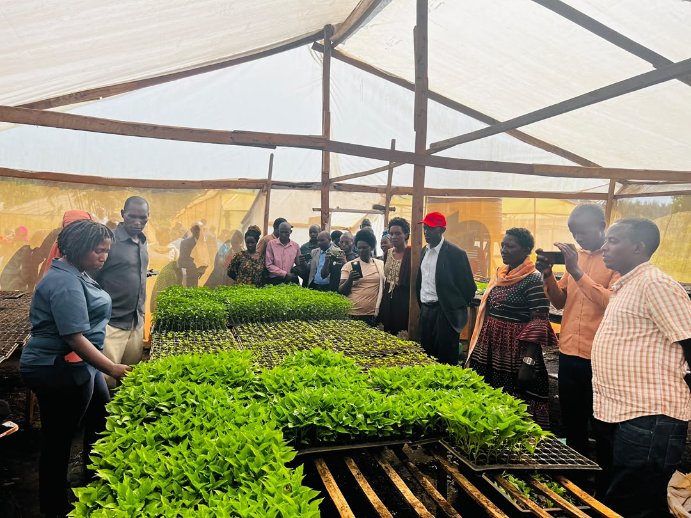
In Rwamagana District, a group of farmers came together in a cultivated field, and they watched, almost in silence, as one single seedling was put into the soil.
For many people, it was a real break from the usual things they do.
The farmers had travelled from Kirehe District on a study visit under the Sustainable Agricultural Intensification and Food Security Project (SAIP II). They were looking for practical methods, to raise production and keep food secure. But what they saw was not fancy machinery, or a new set of inputs, instead it was a different way of handling crops, from the start.
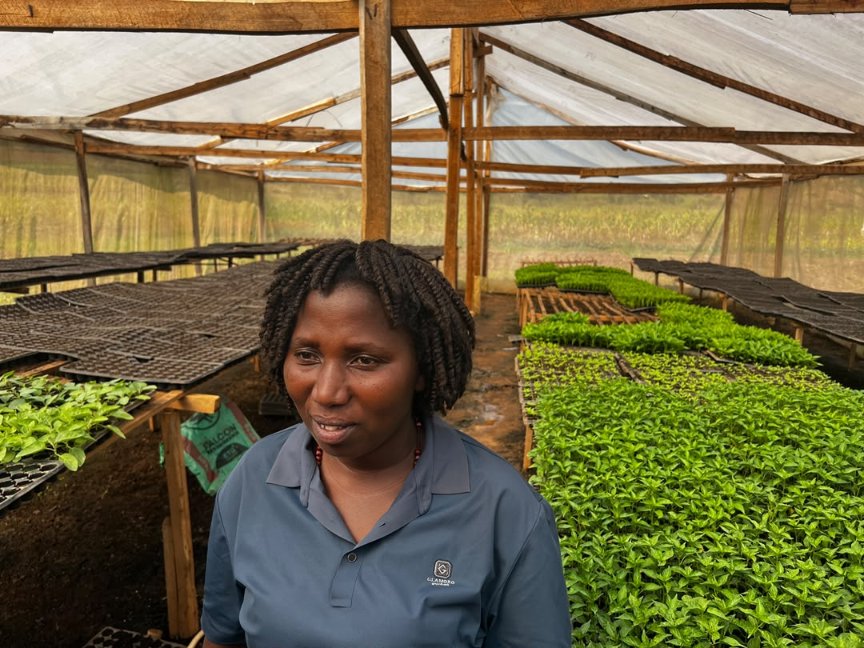
Mukandayisenga Donatila, a farmer from Nzige Sector, guided the visit. She runs three greenhouses where she grows chili peppers, capsicum and green beans, and her routine starts with seedlings nurtured in a controlled nursery environment.
Out in the field, she showed the visitors how to transplant one healthy seedling in each planting hole.
Among the attendees was Mugabo Marcel, who belongs to the Icyerekezo Kinoni I Cooperative in Kirehe District, where farmers are more used to putting several seedlings together in the same spot.
“At home, we normally plant three seedlings in one hole,” he said. “Here, they put just one. It made us think , maybe we are spending more on inputs but we are not getting better results.”
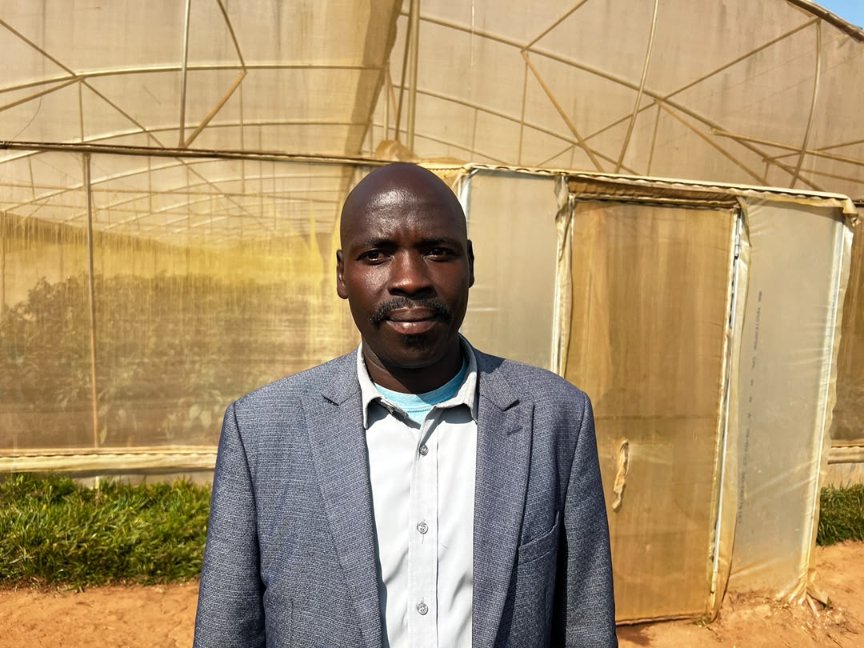
After that, the group began talking more. Farmers compared how they manage their plots, and they discussed how the way inputs are used can change the output they harvest.
Clementine Tuyishimire, another participant, explained that the trip also made clearer the differences in how seedlings are prepared before planting.
“Watching how seedlings are cared for here, gives us thoughts we can use back home,” she said.
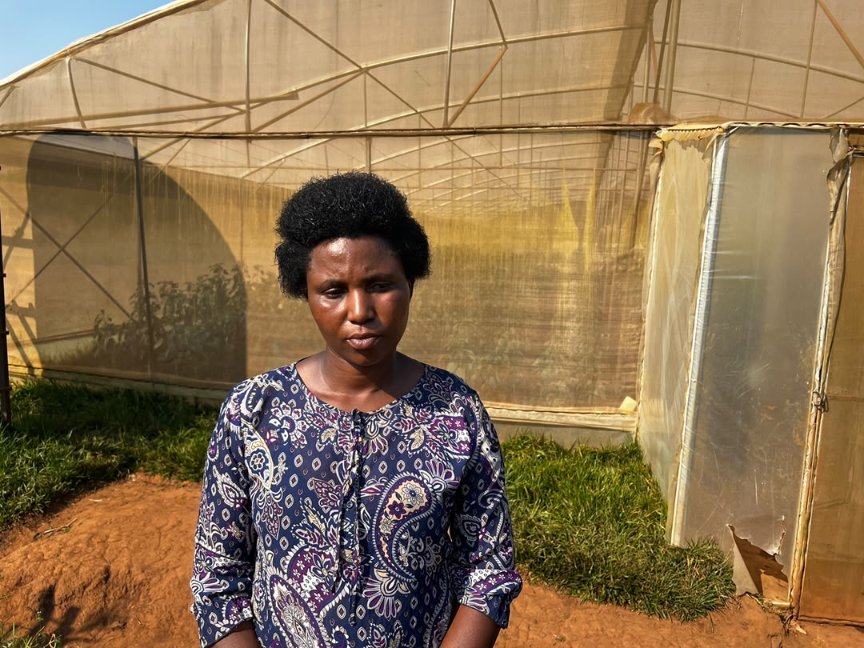
The session involved farmers, cooperative representatives, and members of Water User Associations from Kinoni I, Kinoni II and Nyamugali irrigation schemes. The learning happened through observing and sharing ideas, as people moved around the fields and compared what they saw on the ground.
When they go back to Kirehe, farmers are expected to put the lessons into practice inside their own schemes, adjusting methods based on what they witnessed there.
So next planting season, some fields may start with fewer seedlings, and in general a slightly different pathway, toward how productivity is achieved.