
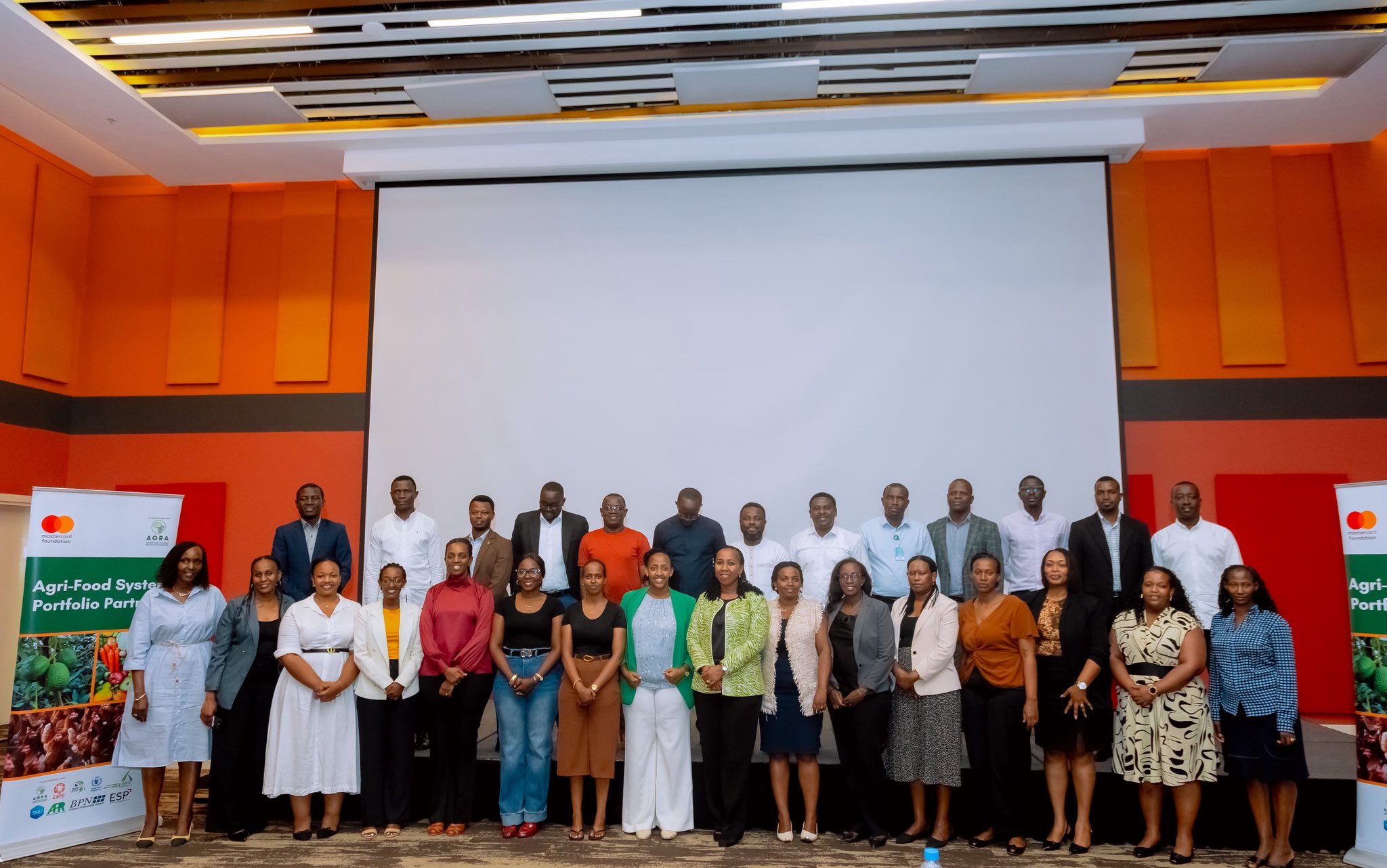
KIGALI, Rwanda, July 8, 2026 Partners implementing the Mastercard Foundation’s Agri-Food Systems Portfolio in Rwanda have convenedin Kigali, to kind of strengthen how they work together and to push faster on the goal of creating dignified and fulfilling work chances for young people in the country’s agriculture sector, you know.
This two-day meeting brings together programme managers, technical experts, youth representatives and development partners, all aiming to improve coordination, trade lessons, and really strengthen Rwanda’s agri-food ecosystem
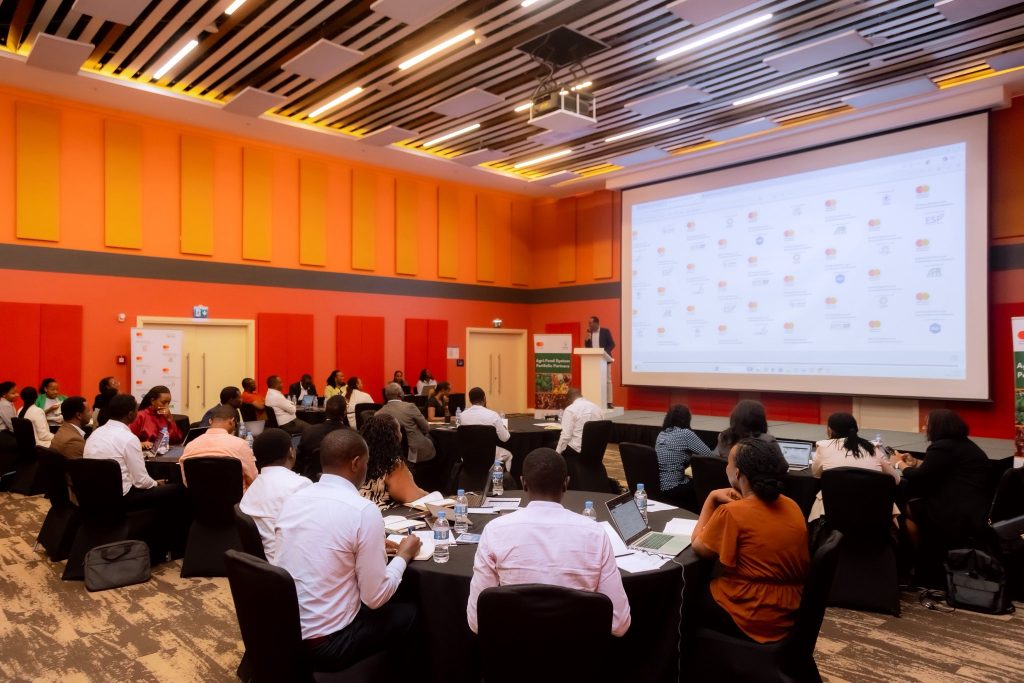
The convening also falls under the Youth Entrepreneurship for the Future of Food and Agriculture (YEFFA) programme, backed by the Mastercard Foundation and AGRA, which is looking to generate more than 130,000 dignified and fulfilling work opportunities for young people in Rwanda by 2029, though it is ambitious
When opening the meeting, Jean Paul Ndagijimana Rwanda Country Director for the AGRA said, the amount of investment sitting behind Rwanda’s agri-food change requires results that are just as bold.
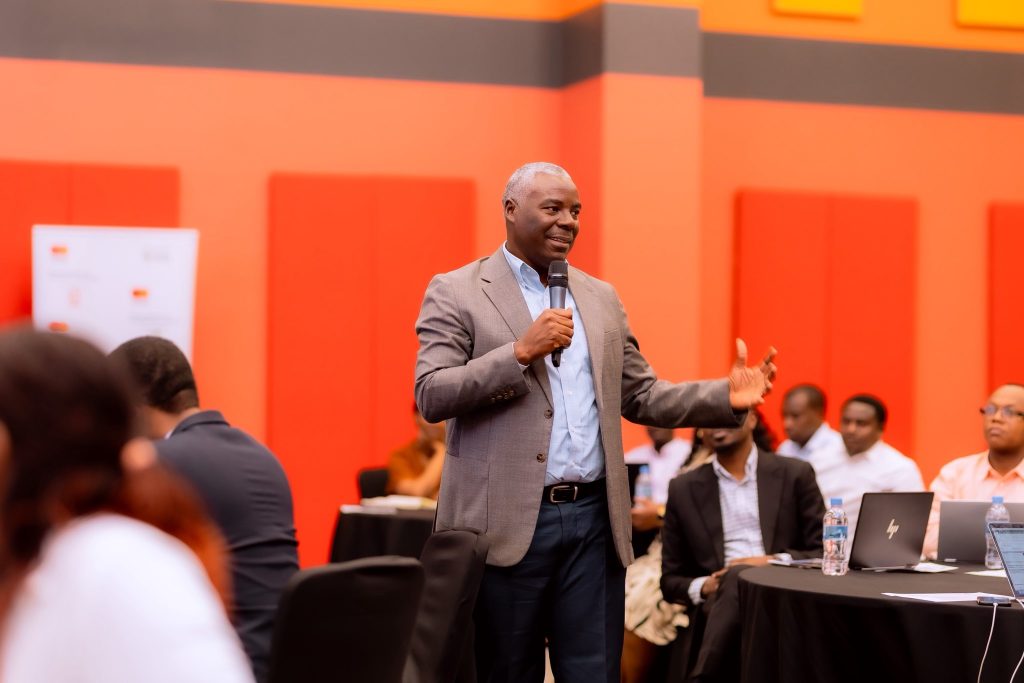
“We are managing close to US$200 million in investments. That is a significant investment and it must deliver significant impact,” Ndagijimana said . He added that tighter partner coordination will be a key thing to make sure those investments actually turn into real opportunities for young people
“Our role as the Super Aggregator is to facilitate those connections. Every partner brings unique expertise. Rather than working in isolation, we should create an integrated system where each institution’s strengths complement the others and collectively help more young people access dignified and fulfilling work,” he added.
Speaking for the Mastercard Foundation, Elisée Kamanzi said the gathering shows a common determination among partners to reach bigger results through collaboration that is deliberate.
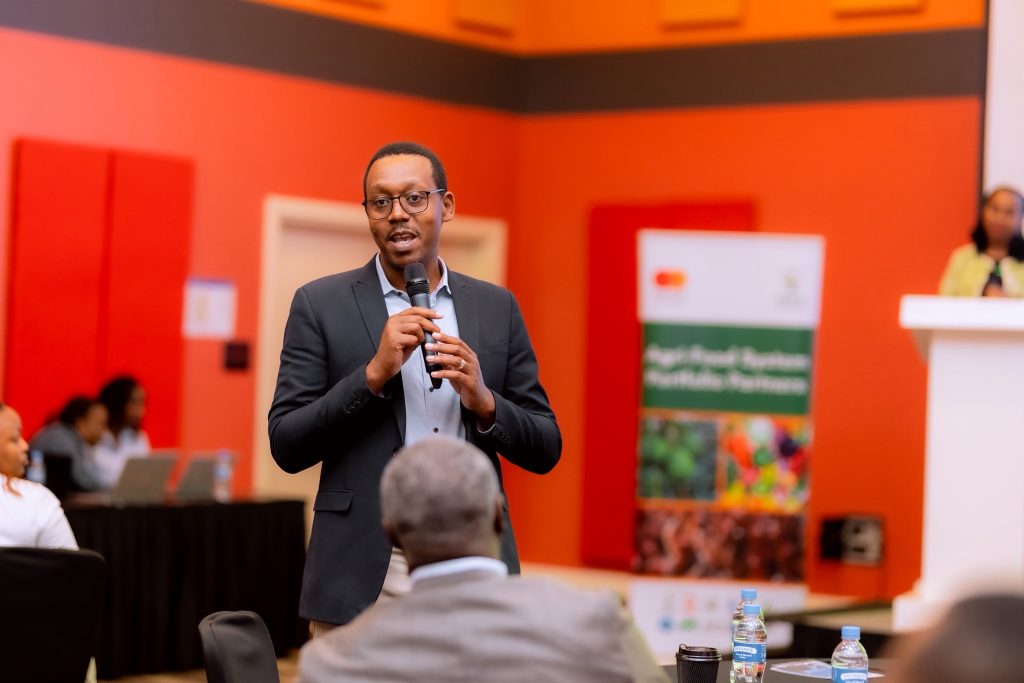
“This gathering is more than an event. It reflects leadership committed to delivering impact through intentional collaboration. We are one family working toward one ambition creating opportunities for young people and learning together how to do it better,” Kamanzi said.
He also reiterated the Foundation’s Young Africa Works ambition in Rwanda, meant to enable 300,000 young people by 2030, including 70% young women, plus young persons with disabilities and refugees, to access dignified and fulfilling work opportunities
“Collaboration must be intentional. Time is moving quickly toward 2030, and we need to move with speed. By learning together, sharing evidence openly and adapting our approaches, we can build systems that create lasting opportunities for young people,” he said.
Through YEFFA and other moves under the Agri-Food Systems Portfolio, partners are backing young people to enter agriculture not only as farmers, but also as entrepreneurs, innovators, and service providers across the value chain, in a broader way
The programme is focused on expanding reach to skills development, markets, finance, mentorship, and business opportunities, so young people can build livelihoods that last, steadily
The convening is expected to wrap up on July 10 with a field learning visit to Rwamagana District, where participants will take a look at youth employment initiatives, entrepreneurship models and women’s economic empowerment activities supported through the programme, right on time.
Source: Jean Pierre Kagabo, Communication Associate at AGRA, via his X account.