
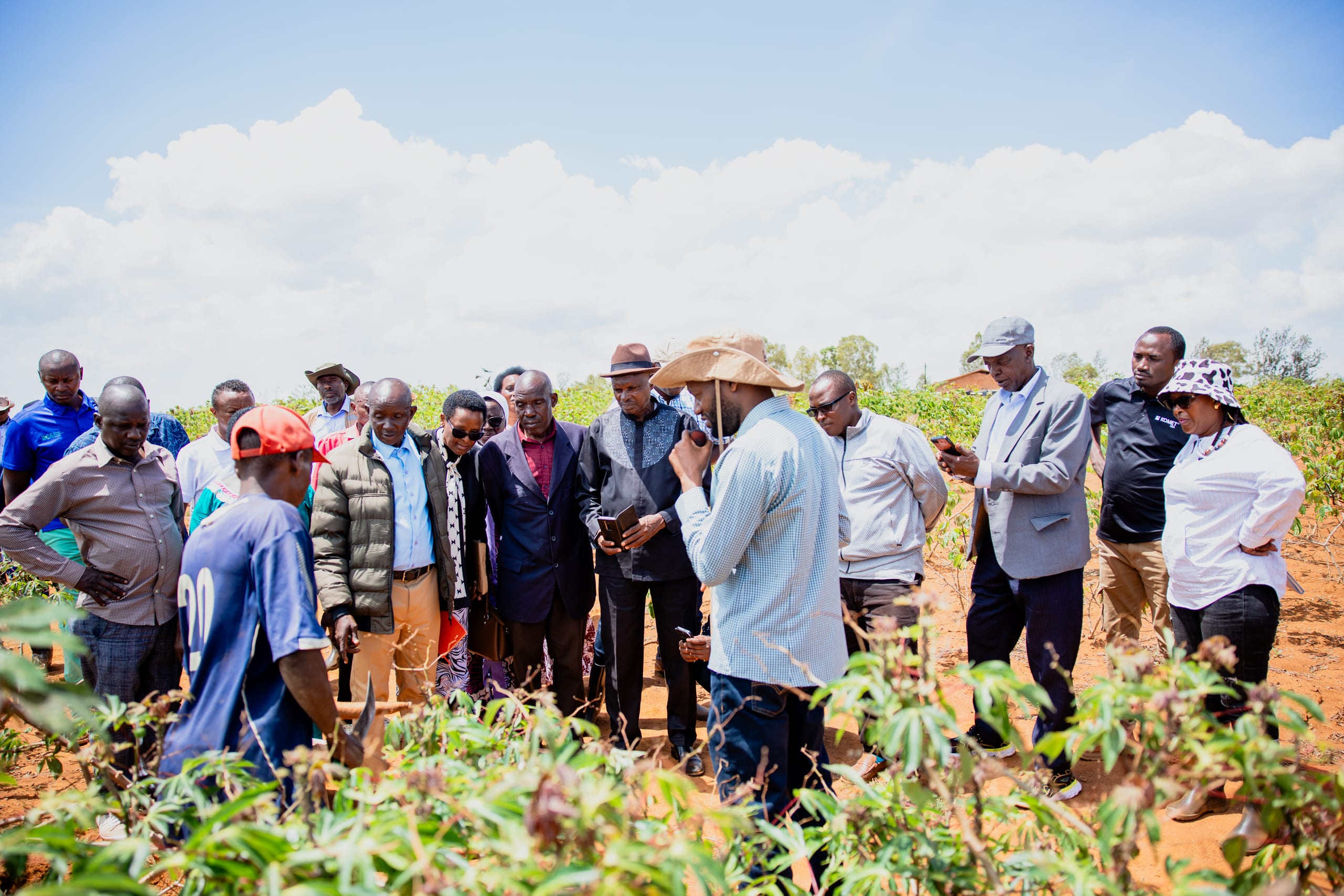
Biotech-generated cassava varieties are anticipated to promote solutions for farmers struggling with two important crop diseases and to generate yields of up to 35 tonnes per hectare in designated cassava-growing districts.
Rwandan cassava growers have dealt with issues relating to crop disease, vulnerability to quality planting material, and climate-related challenges, impacting their production and threatening their way of life for many years.
Now, new biotech cassava varieties are stirring optimism regarding better production, with agricultural scientists indicating that they could fix some of the major obstacles facing cassava farmers in the country.
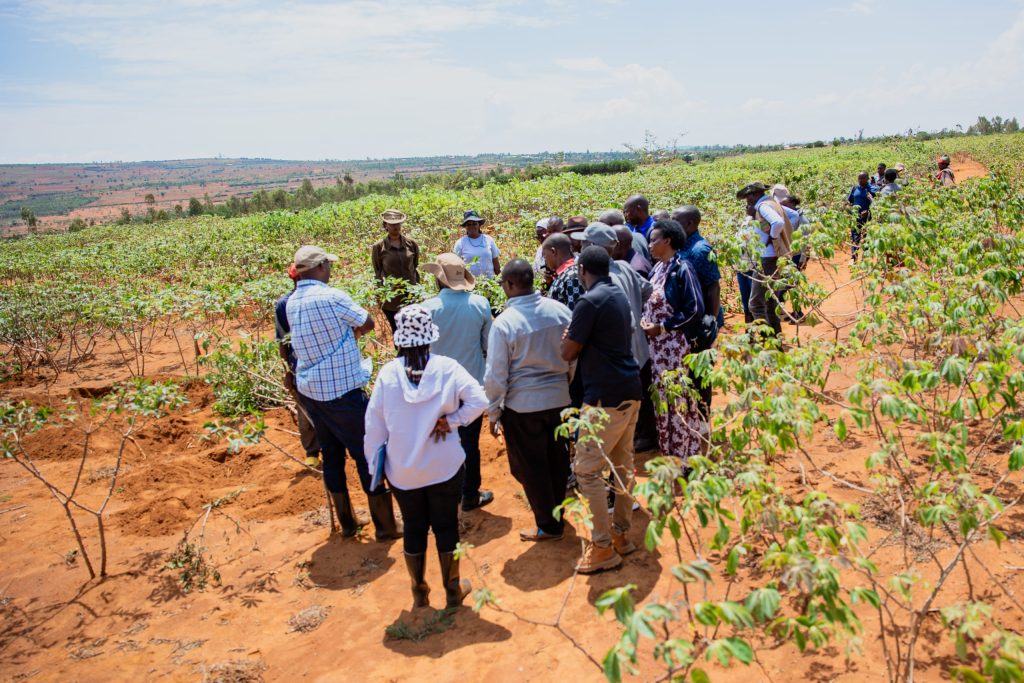
The varieties were presented on 6 November 2026 during a field trip called Seeing is Believing organized by the Rwandan Board for Agriculture and Animal Resources Development (RAB) in collaboration with Science Ally Rwanda, the African Agricultural Technology Foundation (AATF), and other partners in the Rwanda Biotech Program.
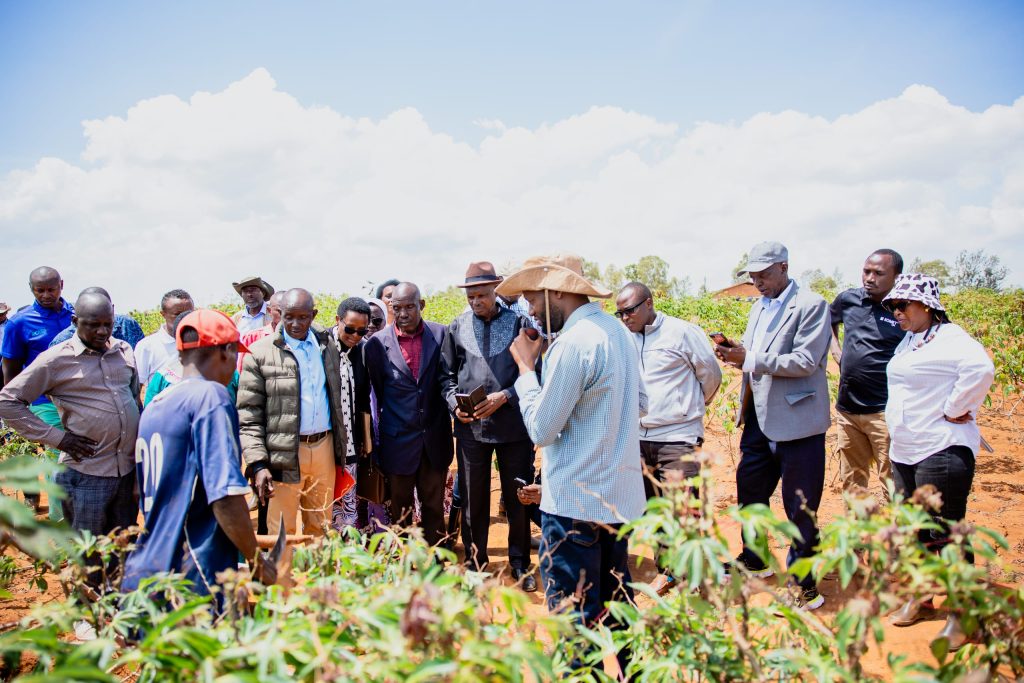
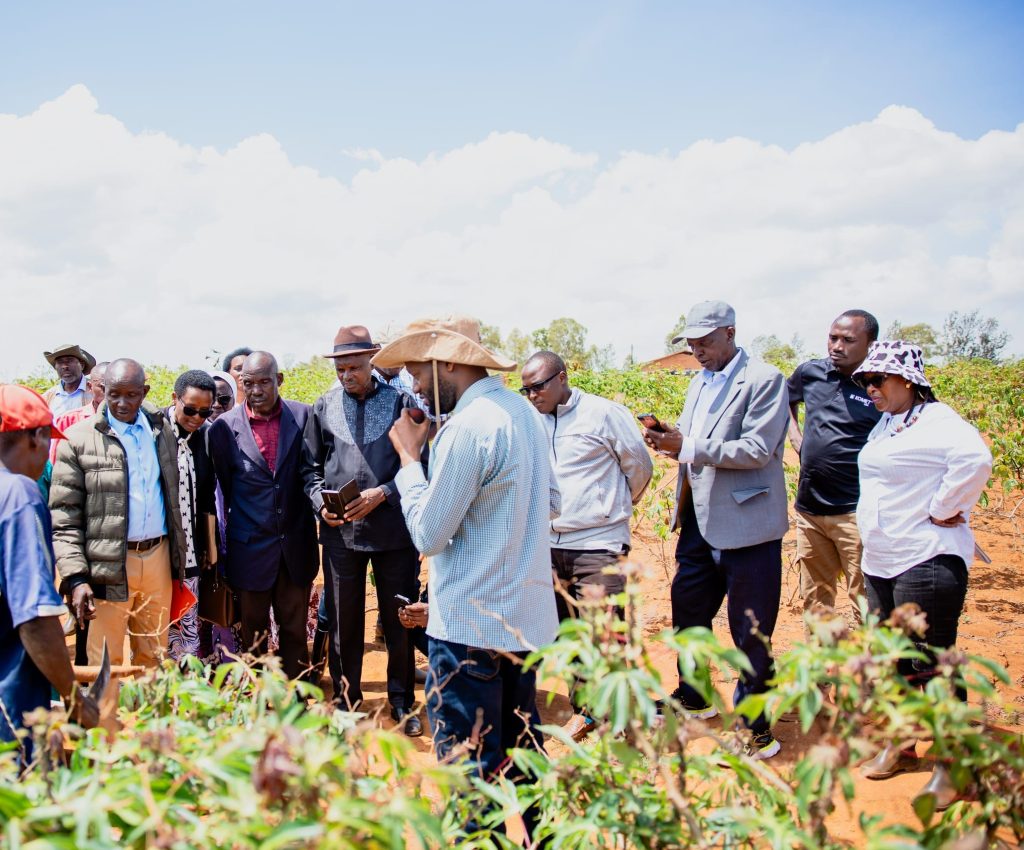
The event was held at Nemba in Bugesera District where varieties had been cultivated in the fields for almost a year.
Farmers and multipliers of cassava seeds were given a chance to see how the varieties performed, their features, and how they could cope with diseases as well as climate challenges.
According to Kantarama Césarie, chairperson of the Ingabo famers Association cassava seeds multipliers association, the project will help solve the problems which farmers were experiencing for a long time including difficulties in accessing quality planting materials and limited access to markets.
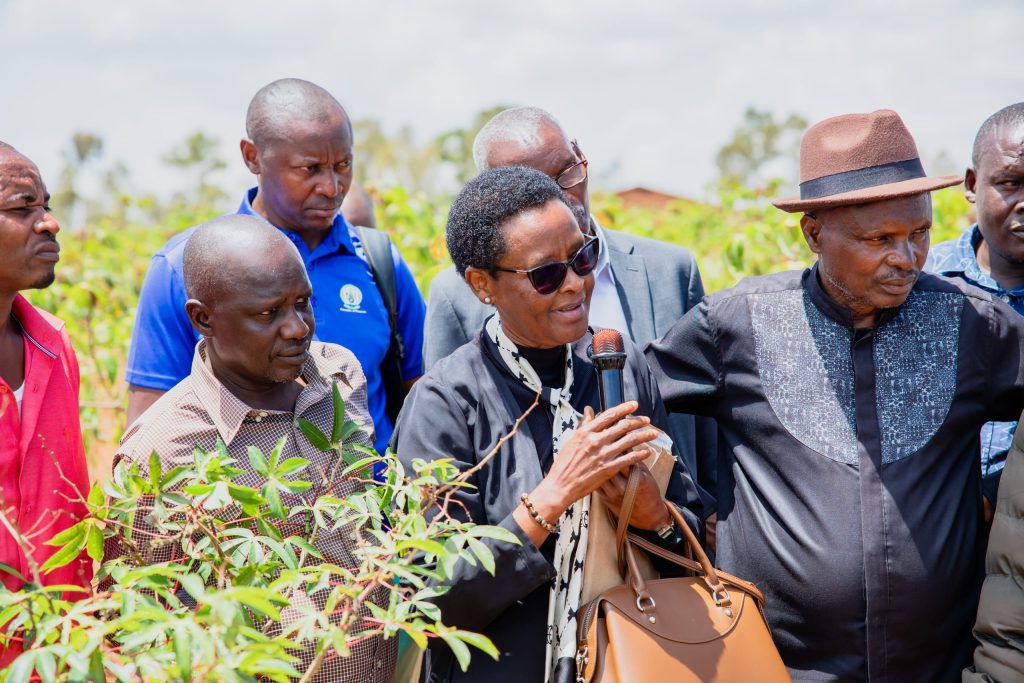
She praised the attempt made by RAB and its allies to train farmers in agricultural biotechnology because the visit contributed to a better understanding of new varieties.
According to her, about one year of being in the field was enough for them to see how innovative varieties performed in terms of overcoming diseases and climate challenges.
As Kantarama said, she was enthusiastic about the plan to distribute new planting materials among farmers and seed multipliers in some areas, since it would make possible to increase the production of seeds and the availability of improved cassava varieties.
Moreover, she paid attention to the role of RAB's guidelines and recommendations in following the proper process for plant production and distribution.
As Dr Athanase Nduwumuremyi, a senior research fellow and coordinator of RAB's Roots and Tubers Programme, said, the new varieties were designed to fight two diseases bringing damage to cassava production, such as the Cassava Brown Streak Disease (CBSD) and the Cassava Mosaic Disease (CMD).
The two diseases are known to cause problems in the production of cassava, which means that obtaining better seedlings turns out to be the key to preserving the harvests of farmers according to Dr Nduwumuremyi.
As noted by Dr Nduwumuremyi, the varieties in question are said to have yielded 30-35 tonnes per hectare.
He noted that the first distribution would be done in the regions with the large production of cassava, such as Ruhango, Nyanza, Bugesera, Kamonyi, and Kayonza.
A focused approach is expected to promote the availability of modern varieties for farmers and producers of seeds in the regions where cassava has a significant part in agriculture and economics.
Dr Nduwumuremyi pointed out that it is becoming more important to address the food security issues through agricultural science and innovation, especially with the increase in the population.
He advised the farmers to follow the instructions of RAB while using the seeds.
Also, he told producers of seeds to pass the knowledge on to other producers in order for them to understand the features of the new varieties.
This programme is a part of a wider programme to make the cassava value chain in Rwanda more efficient via agricultural research, better seeds and new technology.
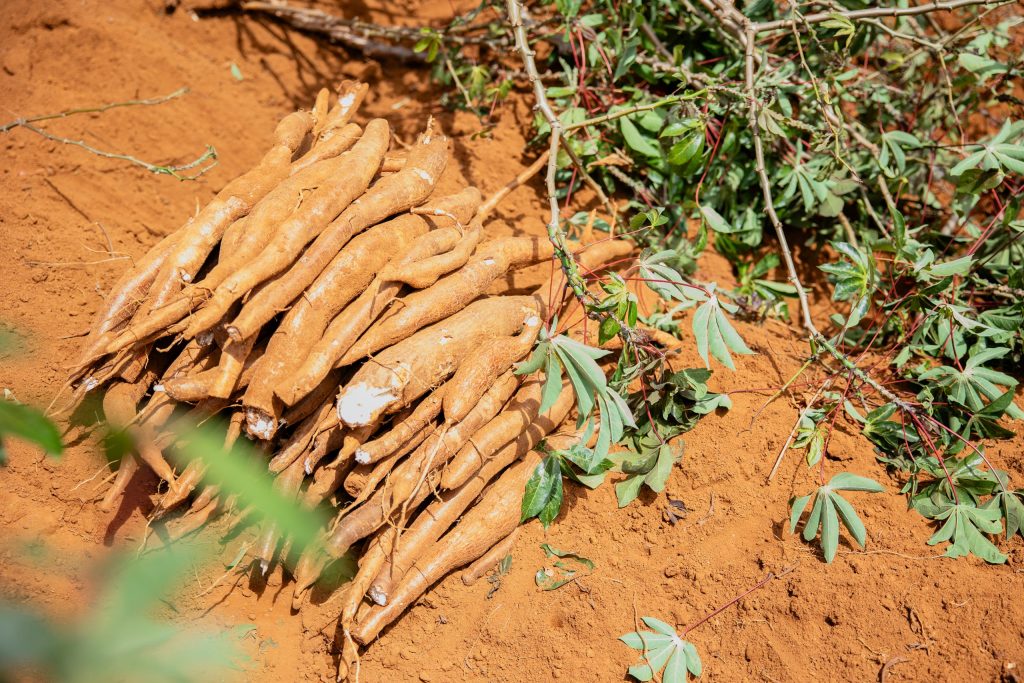
Besides increasing the amount of cassava harvested, the possibility to use high-quality planting materials could provide seed producers, who are an important element in making the new varieties available to farmers, with a business opportunity.
If effectively used, these new varieties could prevent the losses related to cassava brown streak disease and cassava mosaic disease and, at the same time, increase the productivity as well as the standard of living of farmers.
Both farmers and the seed producers expect to get better yields from the new planting materials and therefore make their income more secure and ensure the sustainability of the cassava sector.