
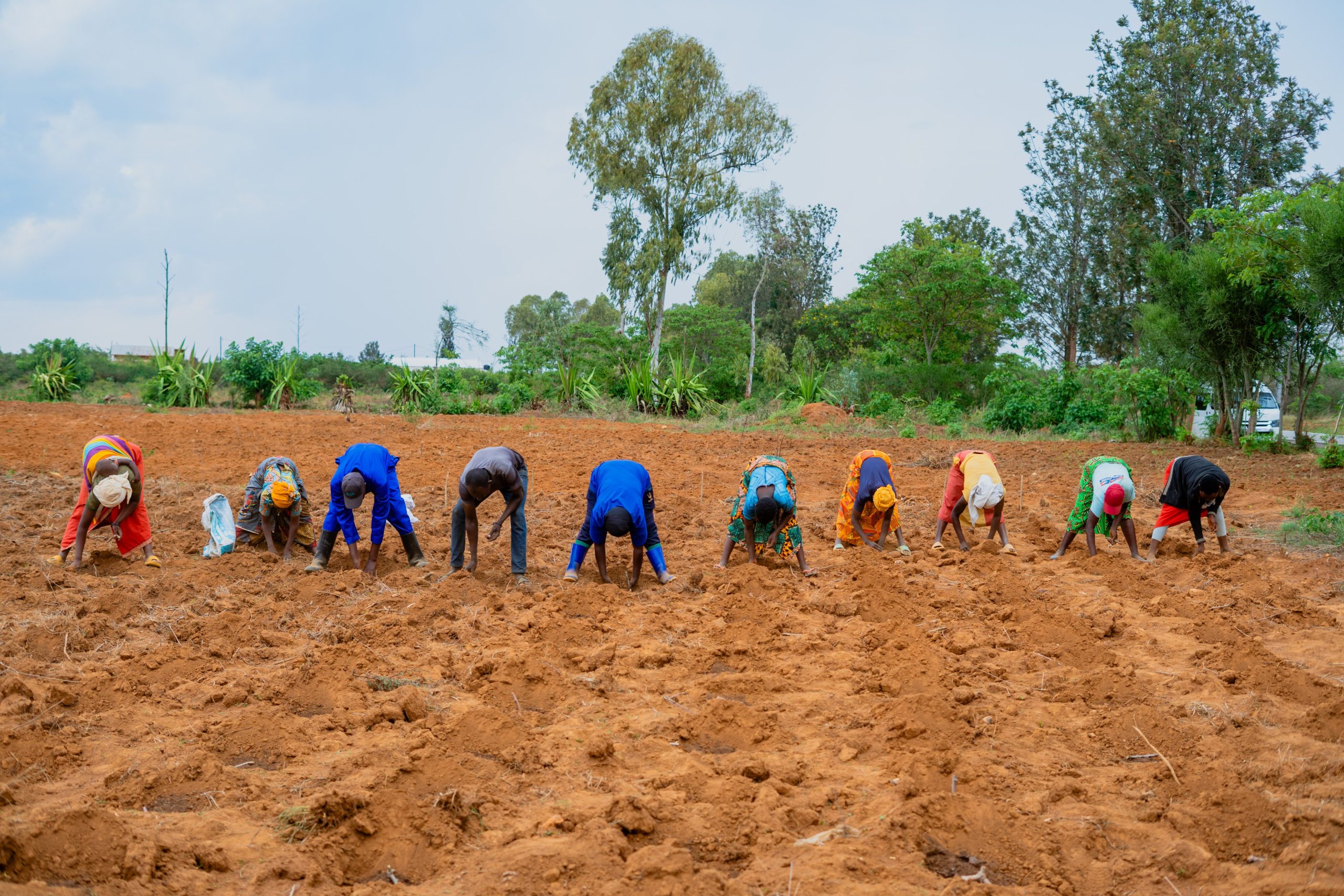
Farmers in Bugesera have started cultivating improved cassava varieties that were produced through biotechnology to assist mitigate crop diseases that caused reduced harvests and unstable incomes.
In Nemba in Bugesera District, farmers will cultivate new cassava varieties developed by researchers to solve some of the most troublesome and omnipresent problems faced during cassava production.
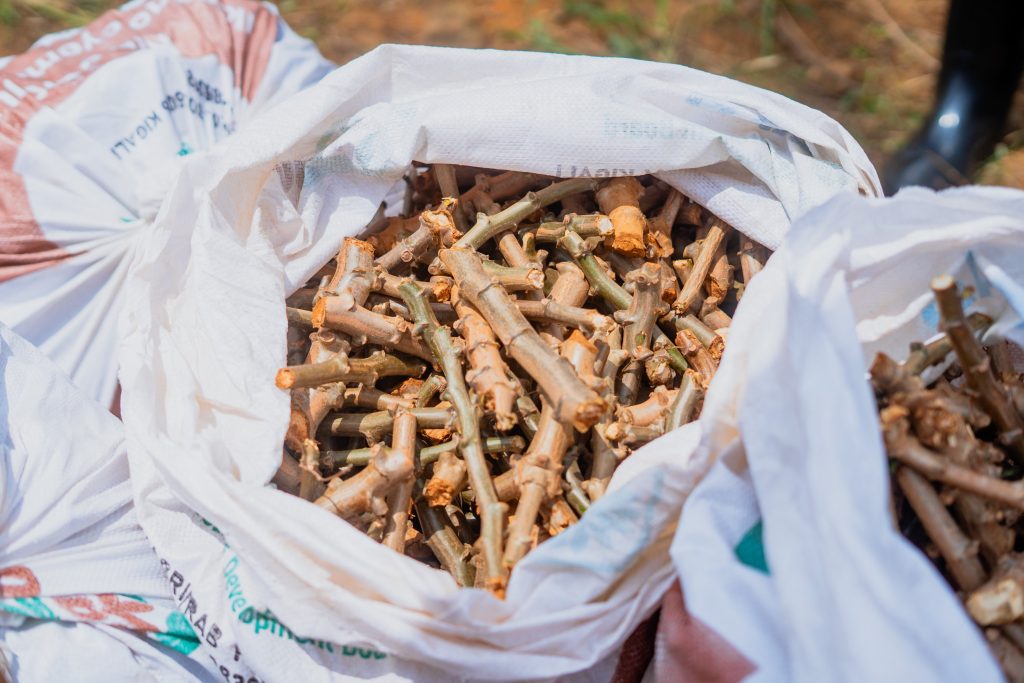
The planting materials have been given away to farmers during participatory field trials in a new step for Rwanda's agricultural biotechnology.
Through this experiment, it will be possible for farmers and agronomists to evaluate the performance of the crops in practice, especially regarding the varieties’ resistance to plant diseases that had hit ordinary cassava crops earlier on.
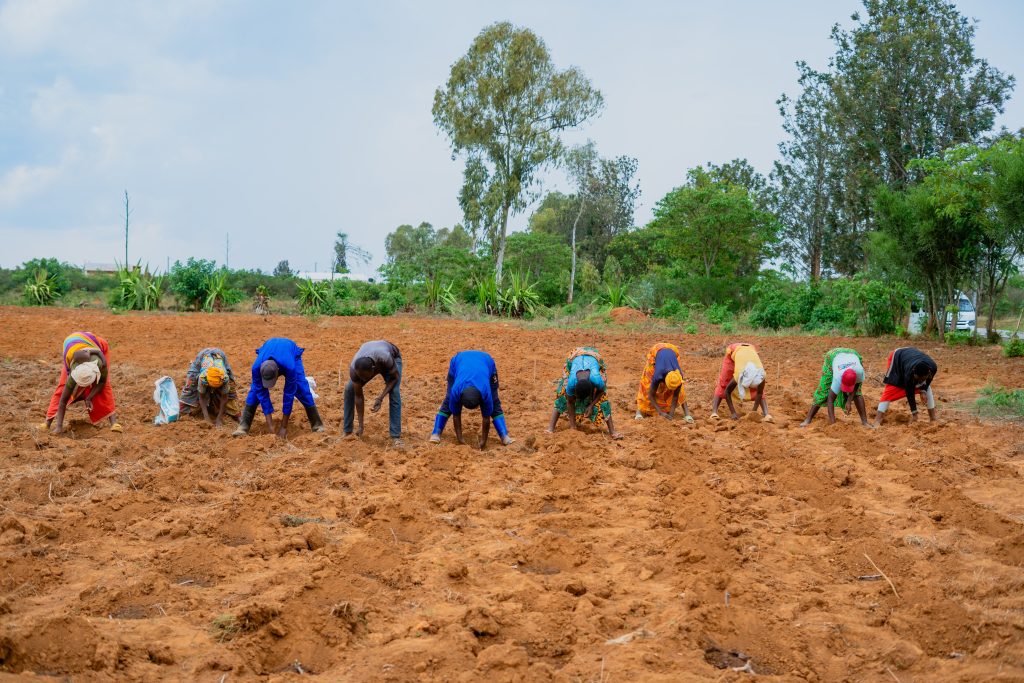
For farmers in Bugesera, this news is comforting after years of disease-inflicted low yield on their farms.
Some farmers indicated that the traditional types of crops they had been using were weak in a number of respects such as an illness identified as Kabore and problems associated with drying leaves, among others.
These issues have hampered the cultivation process thereby reducing the farmers’ harvests negatively affecting their livelihoods.
The farmers believe that the new varieties will allow them to harvest healthier crops and lessen the amount of loss they incur while growing cassava.
In their view, this project is not just about introducing new varieties of crop seeds.
Dr. Athanase Nduwumuremyi, who is part of Rwanda's cassava research program, indicated that the new biotechnology varieties were created as a result of about three years of research work. He noted that it was important to introduce these varieties to farmers in order to connect scientific innovation with the real needs of the agricultural community. The varieties were developed using biotechnology in order to introduce characteristics that would help boost resistance to the diseases affecting standard cassava.
With this method, farmers will be able to monitor the development of the introduced agro-seeds, their features and exchange their observations with scientists.
In this manner, farmers will take part in assessing the effectiveness of agricultural innovations rather than leaving this task entirely to scientific researches.
The results of the research will serve as an indication of whether new varieties are suitable for local agricultural peculiarities and will be able to solve issues, which led to their inception.
The commencement of the distribution plan in Bugesera will be swiftly succeeded by trials taking place in other important cassava-growing districts in the country, including Kayonza, Nyanza, Kamonyi, Ruhango, Muhanga and Gisagara.
Through testing the varieties in different places, scientists will be able to evaluate their adaptability to different agricultural conditions, infections and their efficiency level as producers.
The outcome data may serve as the basis for future activities aimed at the improvement of multiplication of planting materials and their availability.
Cassava is a critical food crop and crucial to many farming families in Rwanda. Nevertheless, disease, climate change, and lack of access to quality seed materials continue to be roadblocks in production.
The introduction of GMO varieties is part of a more extensive effort to enhance agricultural research and innovation practices.
Biotechnology can assist scientists in developing varieties suited for specific functions, such as enhanced resistance to disease. However, their application must be evaluated in local agricultural environments, as well as the right agronomic practices and distribution networks for seed material.
The ongoing trials in Rwanda present an opportunity to validate the effectiveness of the technology in addressing challenges experienced by cassava farmers.
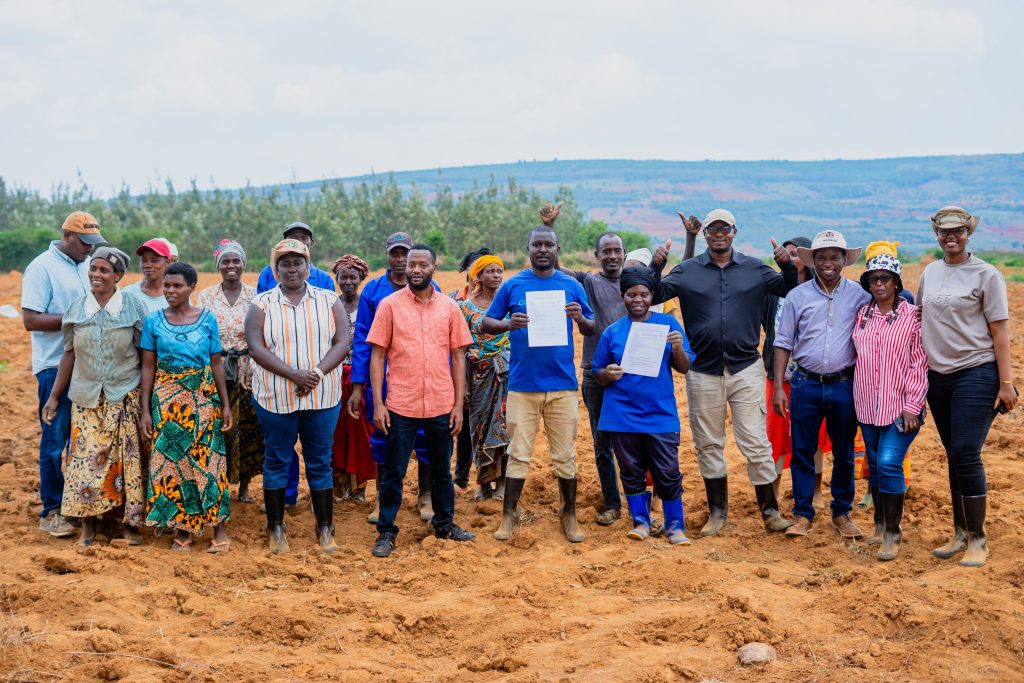
Researchers will monitor performance of the new varieties in farmers’ fields and assess how many of their presumed advantages materialize into increased harvests and enhanced living conditions.
Meanwhile, achievement of the objectives of the program will be determined by whether these varieties are capable of proving tangible benefits for farmers by bringing about less loss of crops, greater productivity, and higher incomes.
Photo Credit: Alliance for Science Rwanda