
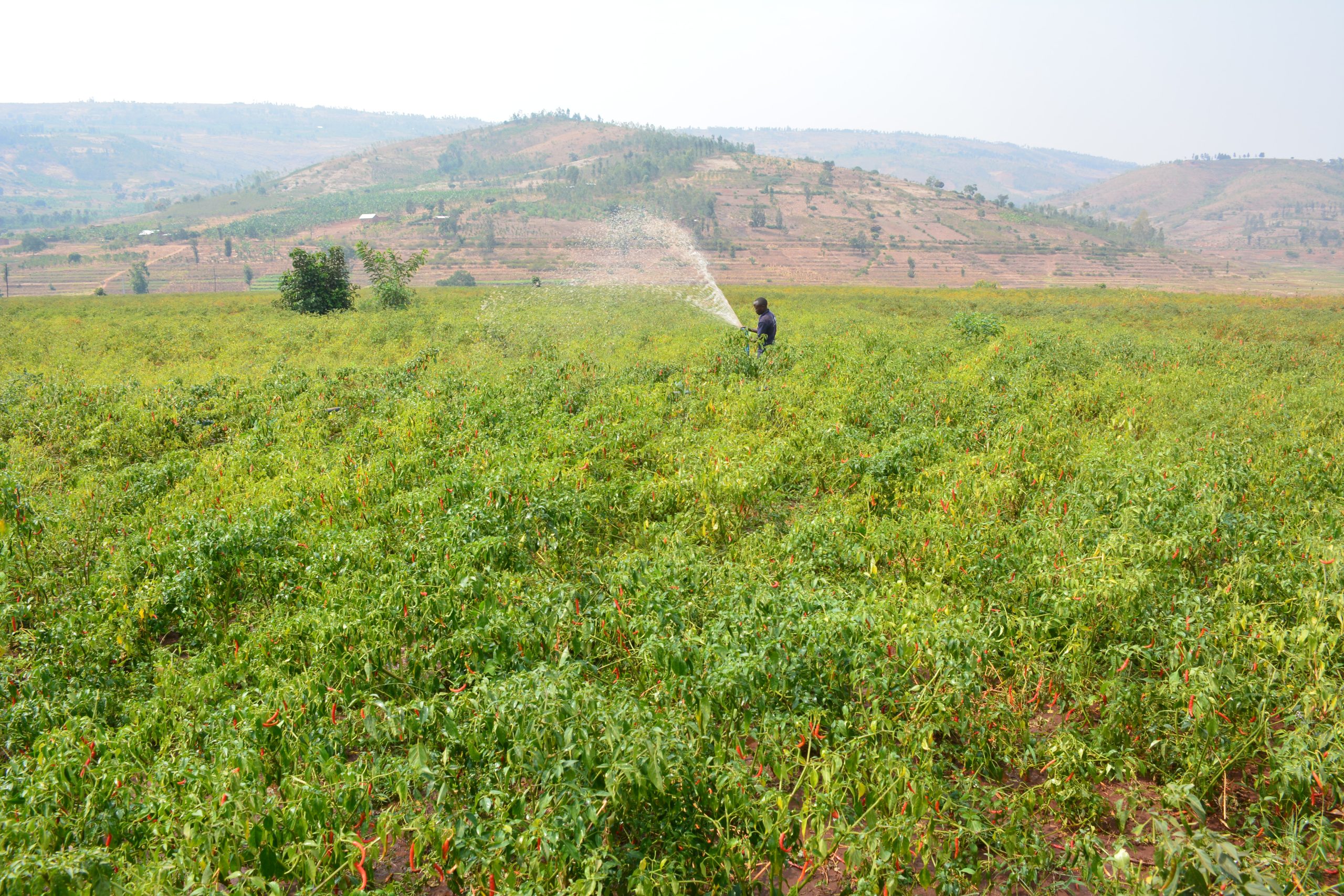
In Kayonza District, prolonged dry seasons and scorching heat have long made farming a gamble. In Kabare Sector, a dam that once brought water to 365 hectares of farmland fell into disrepair, cutting the irrigated area down to just 65 hectares. Fields dried up, and families were left struggling to grow enough food.
To tackle this challenge, the Second Sustainable Agricultural Intensification and Food Security Project (SAIP II) stepped in with an RWF 800 million investment. The project provided 540 solar-powered irrigation pumps and pipes to UBUZIMA BWIZA KAYONZA 4, a local Water Users Association.
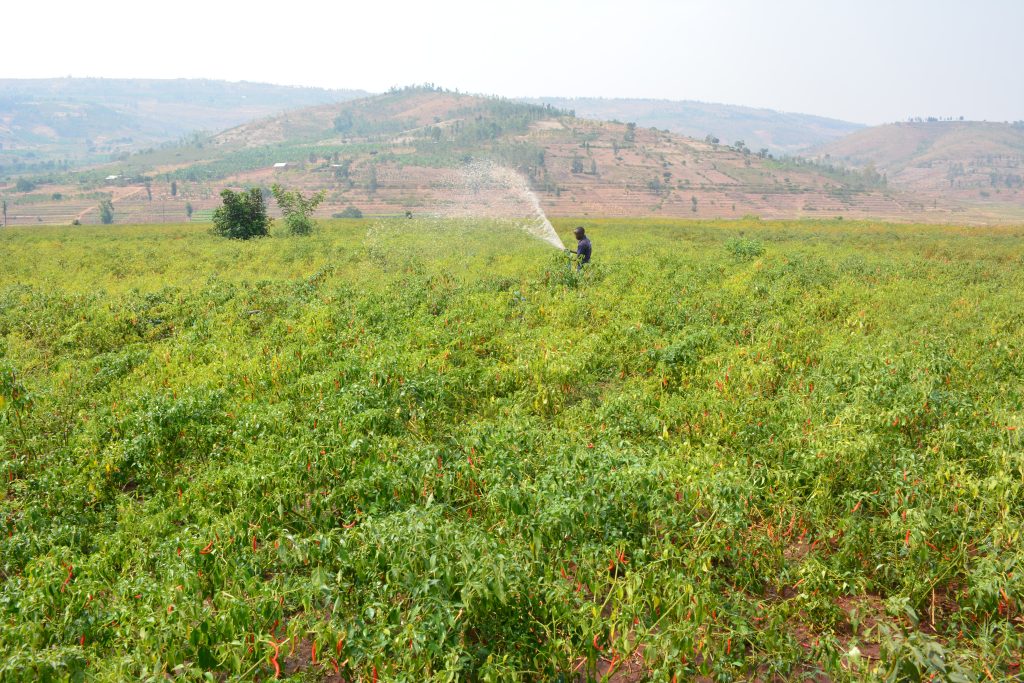
Today, the fixed dam and new solar equipment carry water across 65 hectares, directly helping 165 farmers (98 men and 67 women) grow crops even during dry spells.
For local farmers, access to reliable water has changed everything. Before solar irrigation arrived, watering crops was a backbreaking task that took hours every day.
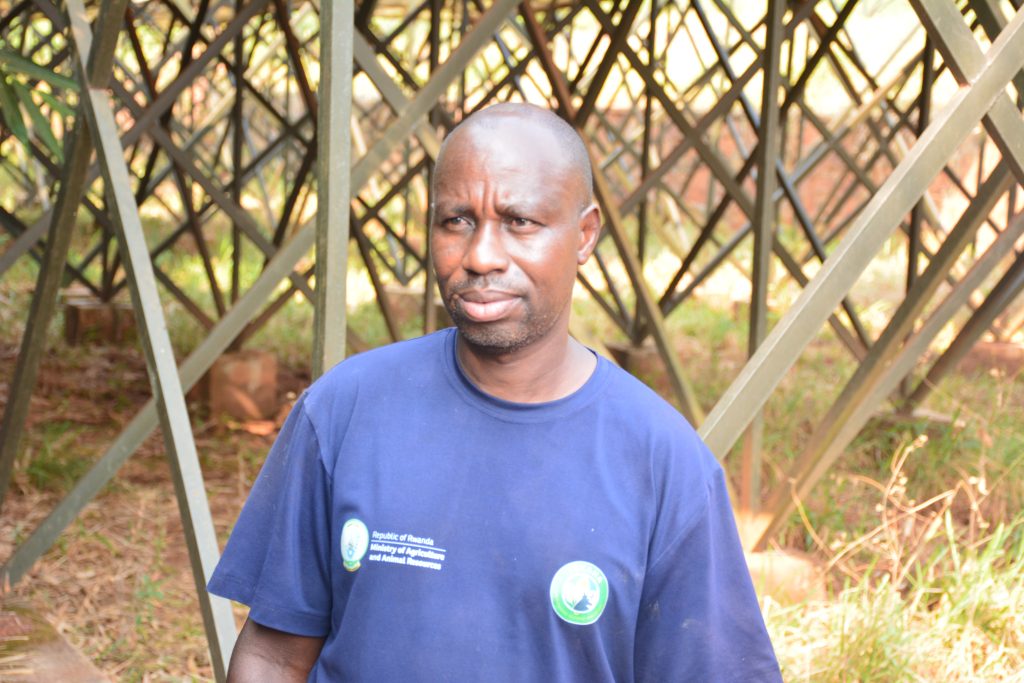
"The area where we live does not receive much rainfall. In the past, we struggled to grow fruit trees and vegetables because water was not readily available. But thanks to the irrigation equipment provided through SAIP II, farmers can now access water more reliably, and irrigation is reaching them without major challenges." Ugirumurera Faustin, UBUZIMA BWIZA KAYONZA 4 Water Users Association, For Jean Damour Uwiringiyima, a member of the GIKADINI Cooperative who farms 50 ares (half a hectare), the new system has saved time, money, and hard physical labor:
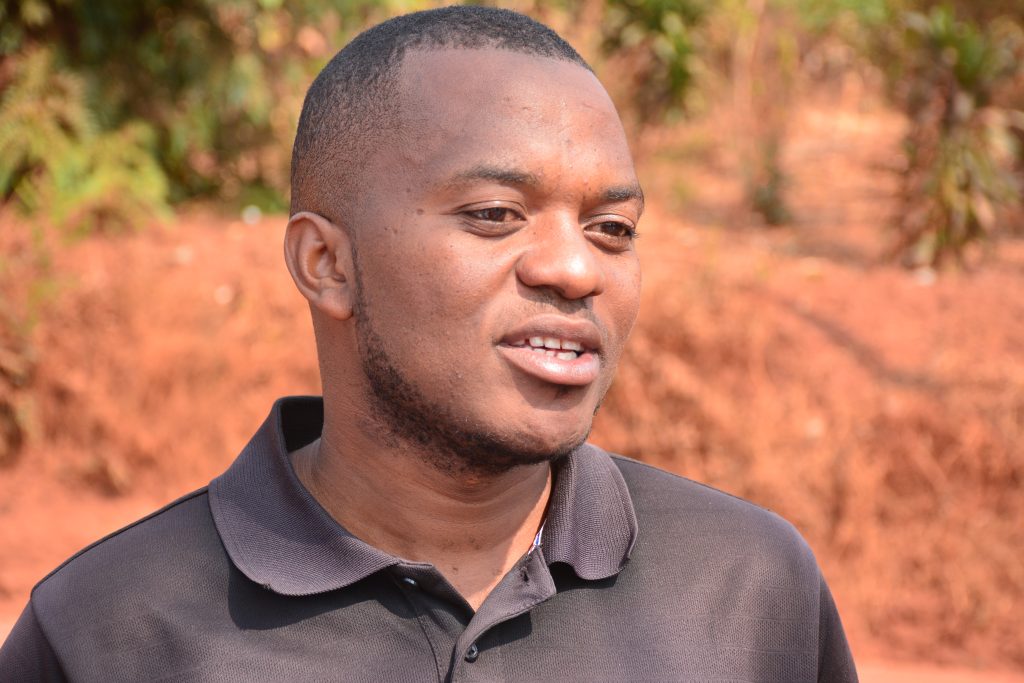
"Before we had irrigation, I used a watering can and had to walk long distances to fetch water. It required many workers and a lot of effort. Today, all of that has been made much easier because SAIP II provided us with this support, and it has helped us increase our production." Jean Damour Uwiringiyima, Farmer
Without irrigation, farmers could only plant during the rainy months (Seasons A and B), leaving fields empty during the dry season (Season C). Reliable solar power has unlocked year-round farming, allowing families to shift from small garden plots to commercial growing.
Farmers like Shyirambere Redempt, who cultivates 40 ares, have seen their output skyrocket from basic home feeding to harvesting between 800 and 1,000 kilograms per season.
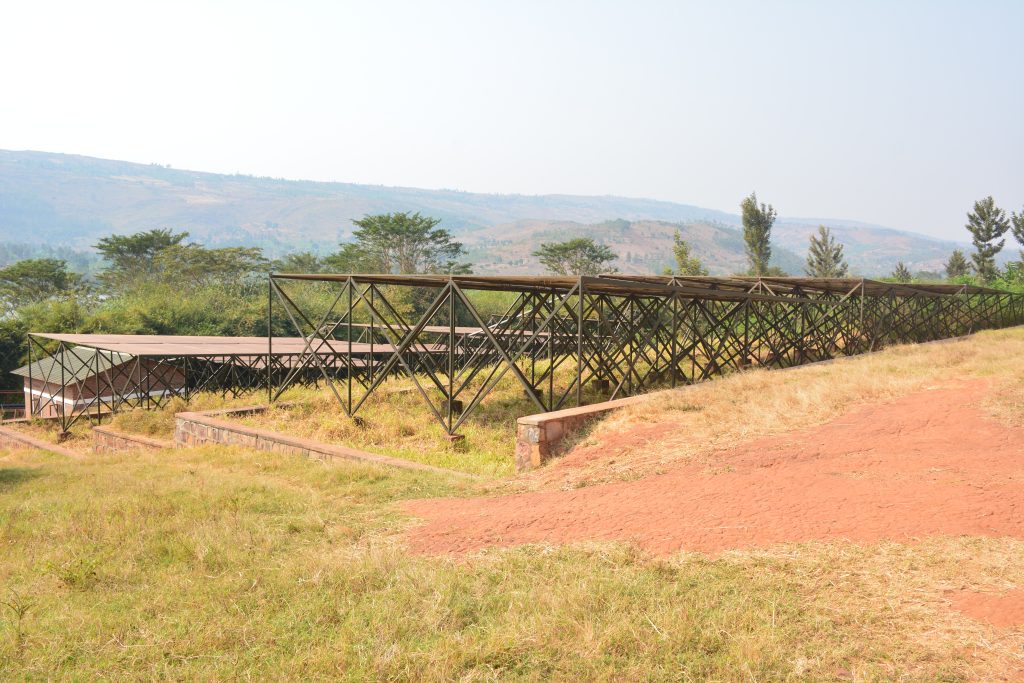
To make sure the pumps keep running for years to come, local cooperatives pool their own funds to cover repairs and regular maintenance whenever parts break down.
The benefits of solar irrigation go beyond bigger harvests. Local leaders point out that reliable water creates jobs, boosts household incomes, and improves food supply across the entire district.
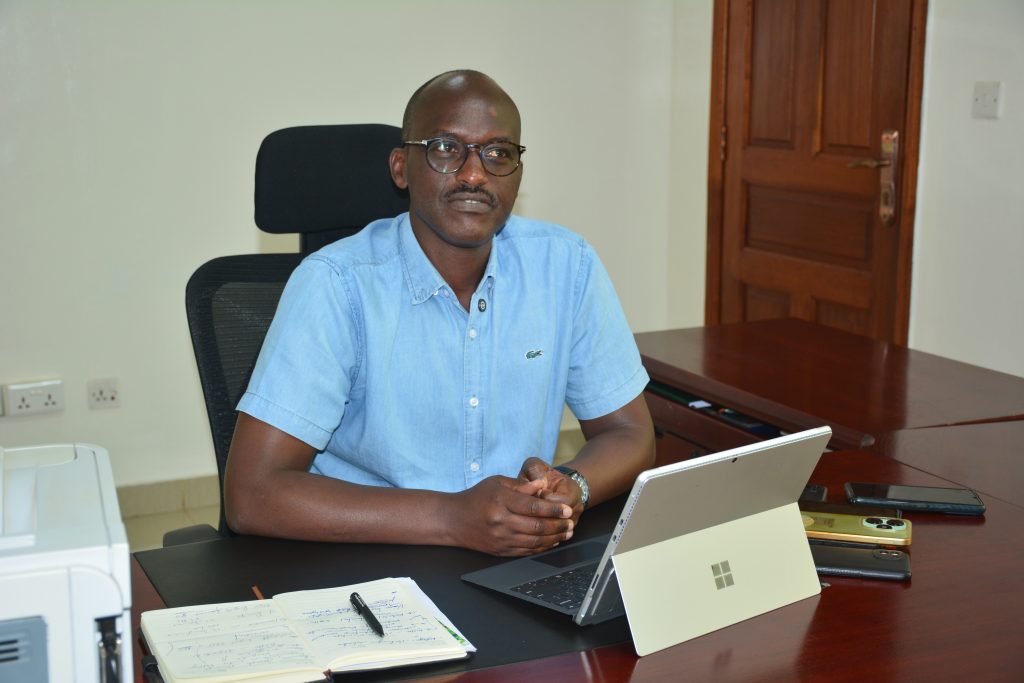
"The irrigation equipment provided through SAIP II has played an important role in increasing agricultural production and strengthening food security. The benefits of these interventions have also reached people living in the areas where the project operates because they have created employment opportunities that enable many people to improve their livelihoods." HIGIRO Jules, Ag. Vice Mayor of Kayonza District.
By combining clean energy, community teamwork, and smart investment, Kayonza is proving that farmers no longer have to wait for rain they can plan for a reliable harvest every season.
Written by Jean Bernard MUKUNDENTE