
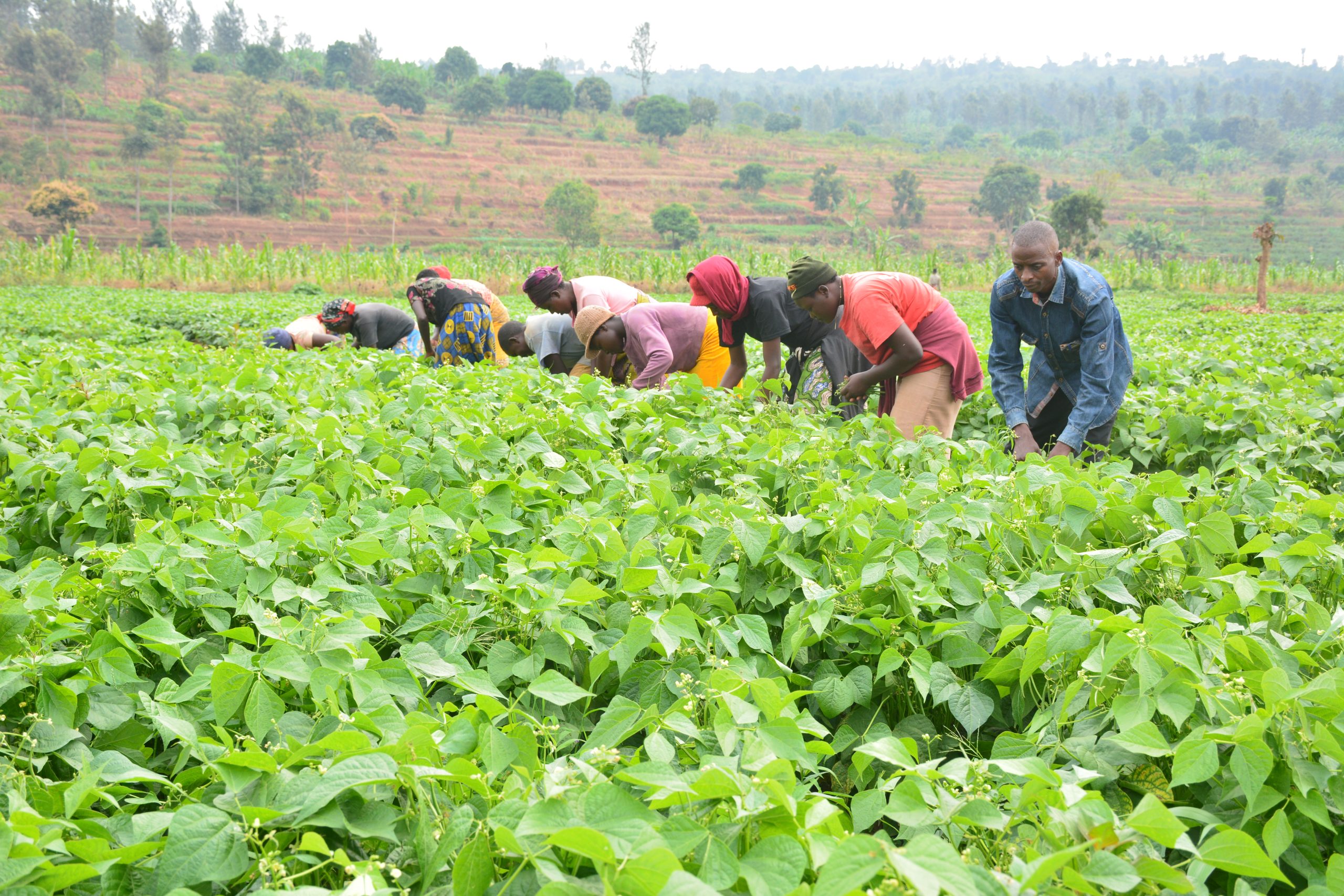
In the hot, dry hills of Eastern Rwanda’s Rwamagana District, farmers have struggled for a long time. When the rain stops, the ground dries up, and crops die. Unpredictable dry seasons have made it hard for local families to grow enough food or earn a steady living.
However, a new project is changing things on the ground. By introducing simple, modern watering systems, local farmers are now able to grow crops all year round even when there is no rain.
On Nyumbayire John’s four-hectare farm in Kagarama village, you can see the change immediately. Rows of healthy avocado trees stand tall under the bright sun, full of green leaves and growing fruit.
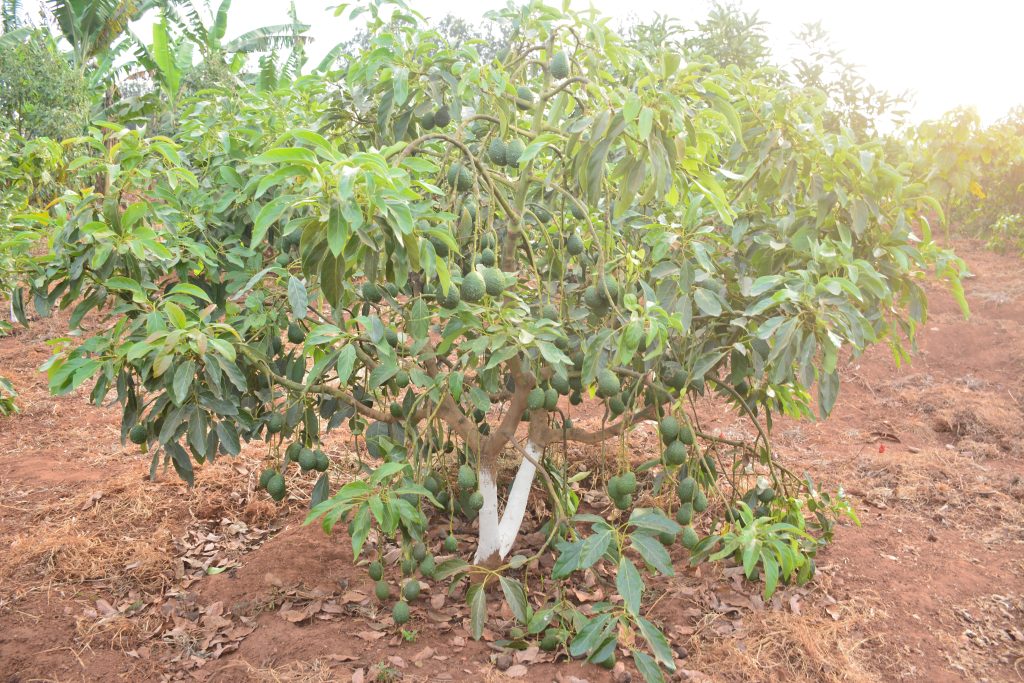
The farm has 1,282 avocado trees.
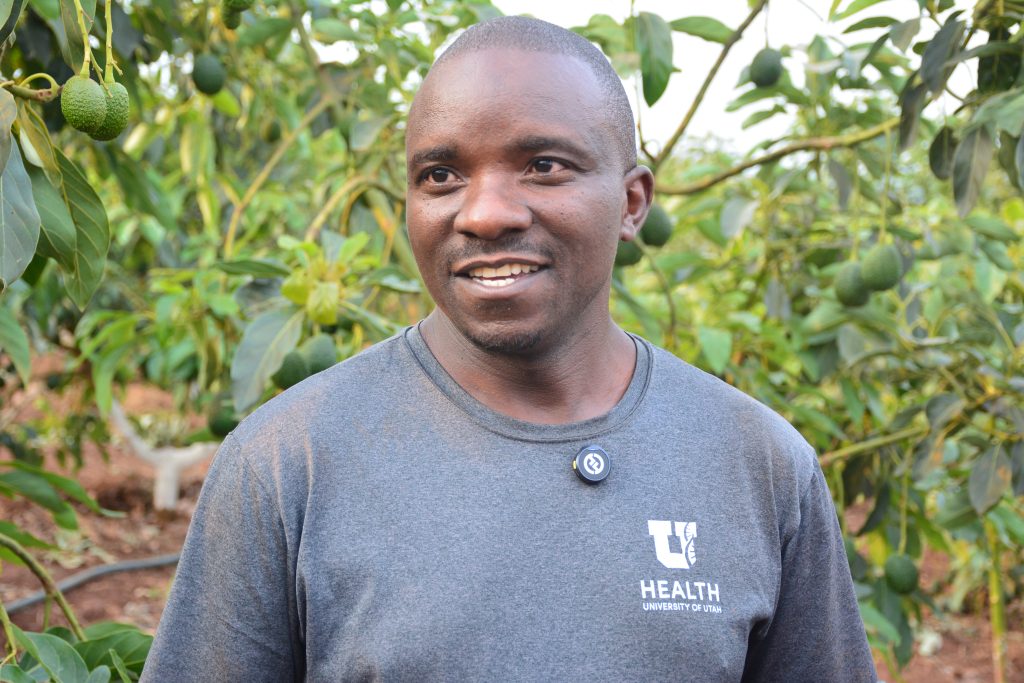
"Lack of water was once our biggest problem," says Nzabahimana Charles, the farm manager. "The last good rain fell in May. In the past, our trees would have suffered and stopped growing. Today, our trees stay healthy because we can water them whenever they need it."
This steady access to water has brought a huge boost in crop yields. During their first harvest, the farm gathered about 450,000 avocados. This season, Charles expects the farm to produce over one million avocados.
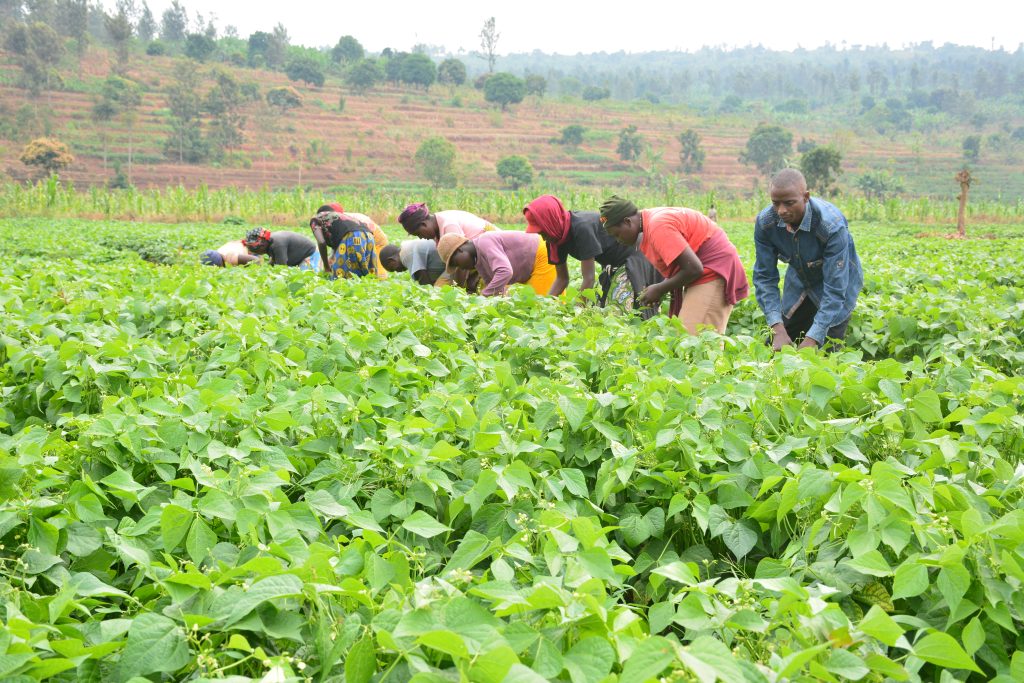
The farm is also helping the local community. It now gives regular jobs to 11 permanent workers and 20 seasonal workers. The farm also grows beans and corn to feed local families and sell in nearby markets.
This positive change is part of the Sustainable Agricultural Intensification and Food Security Project (SAIP II). The project is run by the Rwanda Agriculture and Animal Resources Development Board (RAB). It gives small farmers access to affordable watering tools and training.
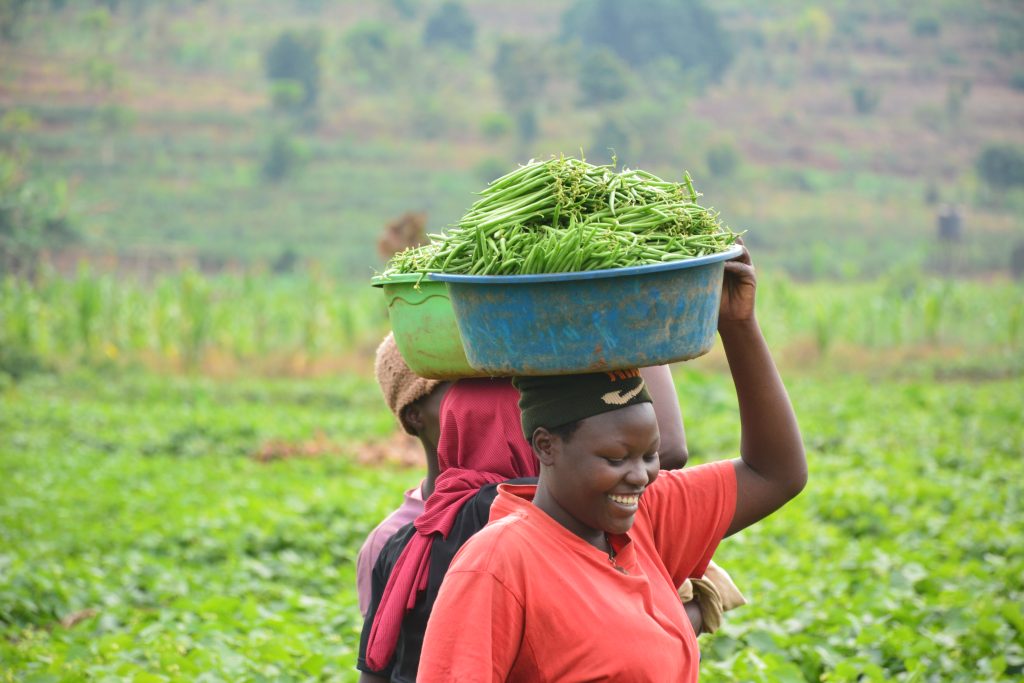
Nearby, at the Nyirabidibiri watering scheme managed by the Gwiza Cooperative,this cooperative has been operating for 12 years, has over 700 members, cultivates more than 38 hectares, and employs over 100 workers. The members grow maize, French beans, hot chili, and other vegetables for domestic and international markets.
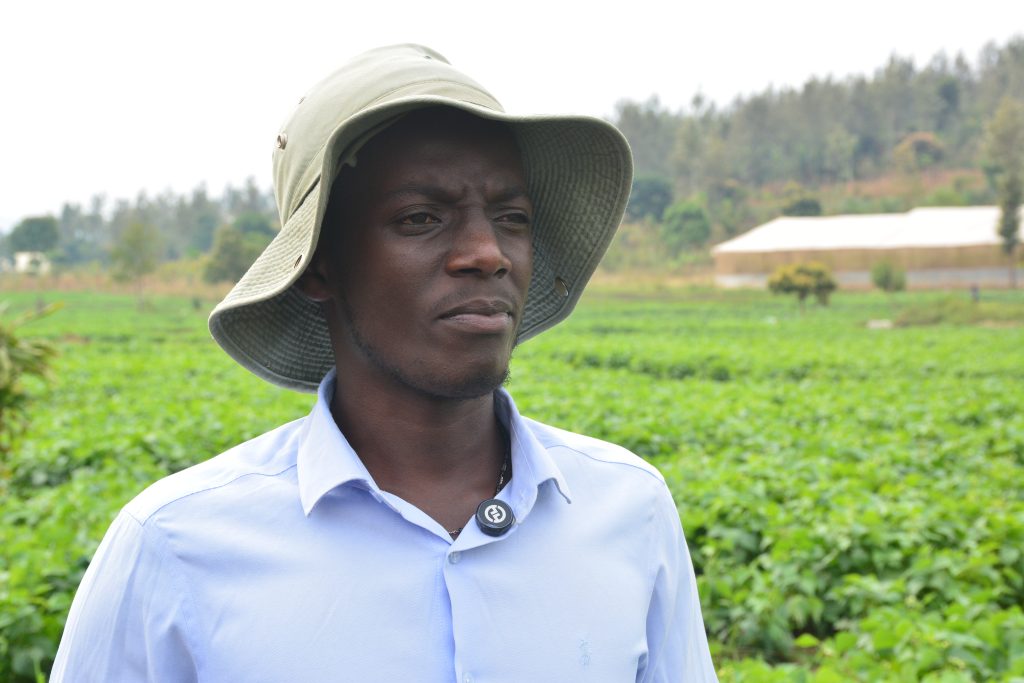
For Rukundo Jackson, the leader of Gwiza Cooperative, the biggest success is how farmers now think about their work.
"Our members learned how to use modern watering tools and better farming methods," says Rukundo. "Farming is no longer just about growing a little food to eat at home. It has become a real business that brings in money and improves lives."
Local leaders say these projects show what is possible, but more help is still needed. Rwamagana is one of the driest parts of Rwanda, making water access critical.
Kagabo Richards Rwamunono, the Vice Mayor for Economic Development in Rwamagana, says working together with agriculture leaders has brought clear results.

"Projects like SAIP II are bringing real benefits to our farmers," Kagabo explains.
However, the Vice Mayor points out that the district has over 3,800 hectares of land that could be watered, but only 11% currently has modern systems installed.
"We need to keep investing in these systems," Kagabo says. "It is the only way to help our farmers grow more food and stay strong against changing weather."
These local efforts align directly with national policy under Rwanda's Strategic Plan for Agriculture Transformation (PSTA 5). Under PSTA 5, digitization and climate action form the central pillars of transforming agri-food systems. The strategy prioritizes precision farming, smart irrigation, sustainable land and water management, and improved soil health. By expanding connectivity, standardizing tools, and promoting resilient technologies, the strategy aims to help smallholder farmers across Rwanda build long-term climate resilience.
Written By Jean Bernard MUKUNDENTE