
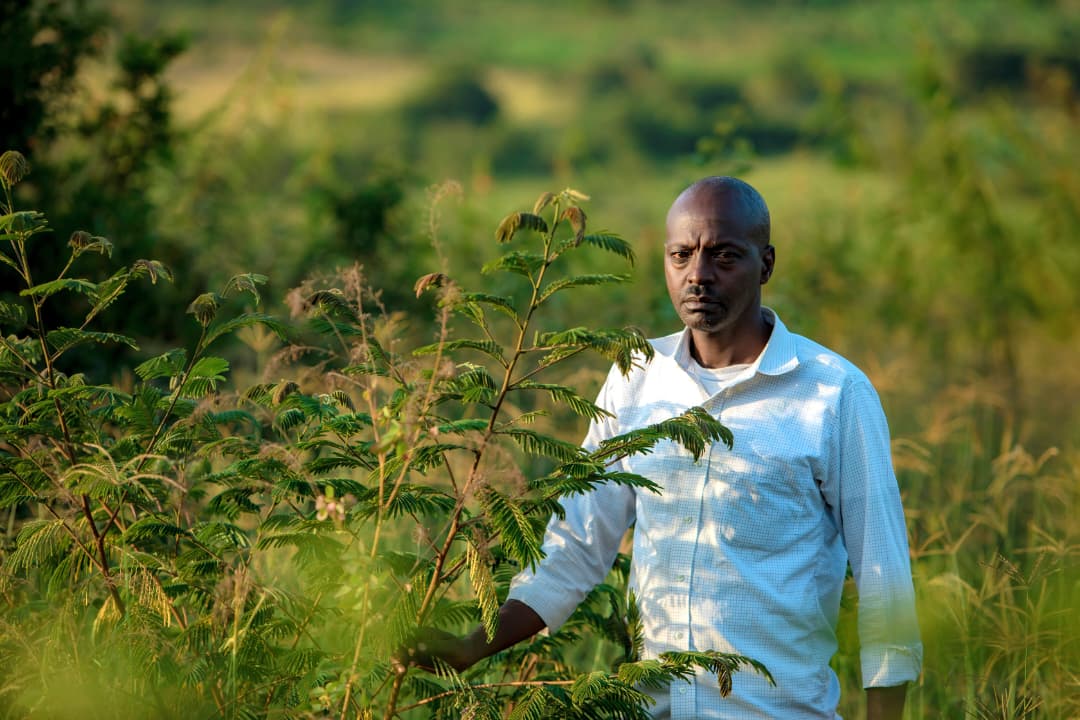
In the rolling hills of Gatsibo District, eastern Rwanda, dairy farming has always followed the way the year moves. When rains came in properly, cattle could graze around, milk would still come in modest amounts. But once the dry season arrived, pastures looked tired, water sources reduced fast, and milk production went down sharply. For many families that seasonal drop meant less money, more worry about food, and a lot of uncertainty, like you never know what tomorrow will bring.
More farmers now say they are getting steadier milk throughout the year, linked to better fodder cultivation and livestock routines that were pushed forward under the Rwanda Dairy Development Project Phase II (RDDP II).
One of them is Peter Muyambe, a dairy farmer and his experience kind of shows the wider shift happening across the district.
“Earlier, we depended mostly on natural grazing. During the dry season, grass became scarce, cows lost weight, and milk production dropped a lot,” he says, while standing next to a plot where the improved fodder grass is growing thick and green, and it now feeds his herd.
Like many smallholder farmers in Gatsibo, Muyambe used to rely fully on communal grazing land. Feed shortage was, in a way, a repeated headache, especially from May to October, when long dry spells left animals underfed and milk yields at their lowest.
Two years ago, after taking part in activities backed by RDDP II, he put aside half a hectare for improved fodder. The difference came quick enough that it reshaped how he thought about farming.
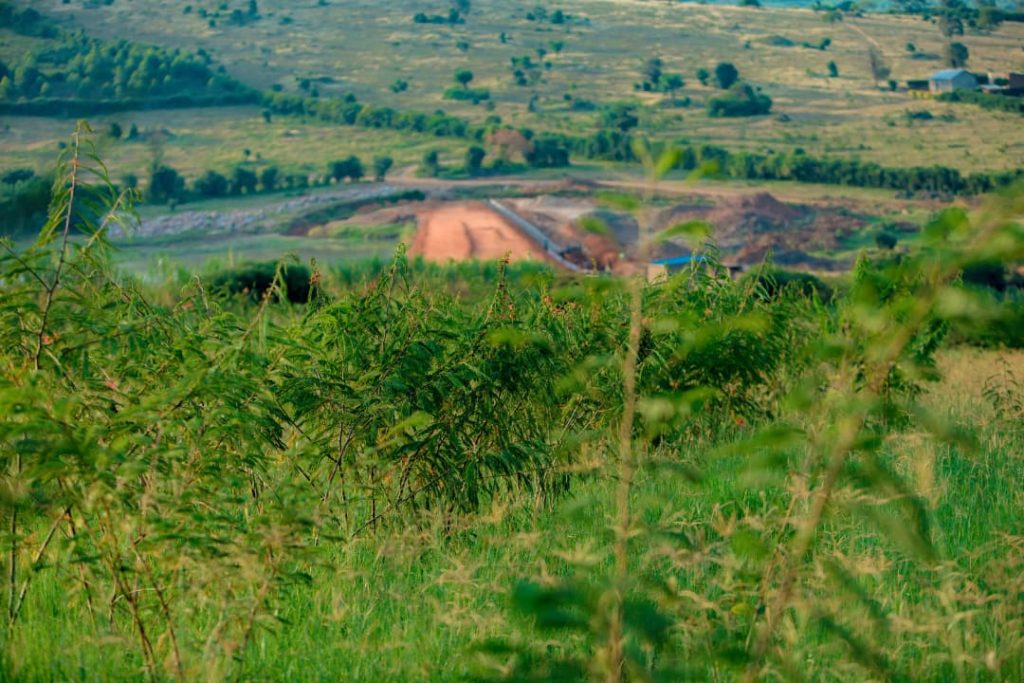
Once he saw the results, he went further, expanding to 1.5 hectares and mixing the fodder types he grows, so it isn’t only one kind.
“The good thing was obvious right from the start. Improved fodder is far more productive than grazing only. We can harvest the grass about four times a year, which means feed stays available for the animals all year,” he explains.
This move away from depending entirely on natural pasture, to planted fodder, has shown up in milk output in a way that is both clear and measurable. Where cows used to give something like one to two litres a day, production now rises strongly.
“Before we learned about fodder cultivation, our cows produced just one or two litres a day. Now, some of them reach up to 15 litres,” Muyambe says.
The improved output is not just numbers, it has turned into more reliable household income. That helps farmers cover daily needs, and also reinvest in the farm, build better housing, and grow the herd.
And beyond productivity, the change tackles a stubborn weakness in the local dairy scene : seasonal feed shortages. For years, the dry months meant depending almost entirely on natural pastures that were fading, and many farmers said milk output would almost stop.
“Those times were painful. We could hardly milk the cows because there was no grass at all. Feed shortages hurt animal health and also hit our income,” he adds.
With improved fodder production, that cycle is being interrupted. Farmers can now hold feed reserves, so they are not only waiting for rainfall, and they are not locked to open grazing land in the same way.
Training under RDDP II also pushed fodder conservation, so people learn how to store feed for dry periods. In the district, hay making and proper storage are becoming more usual, and you see it everywhere.
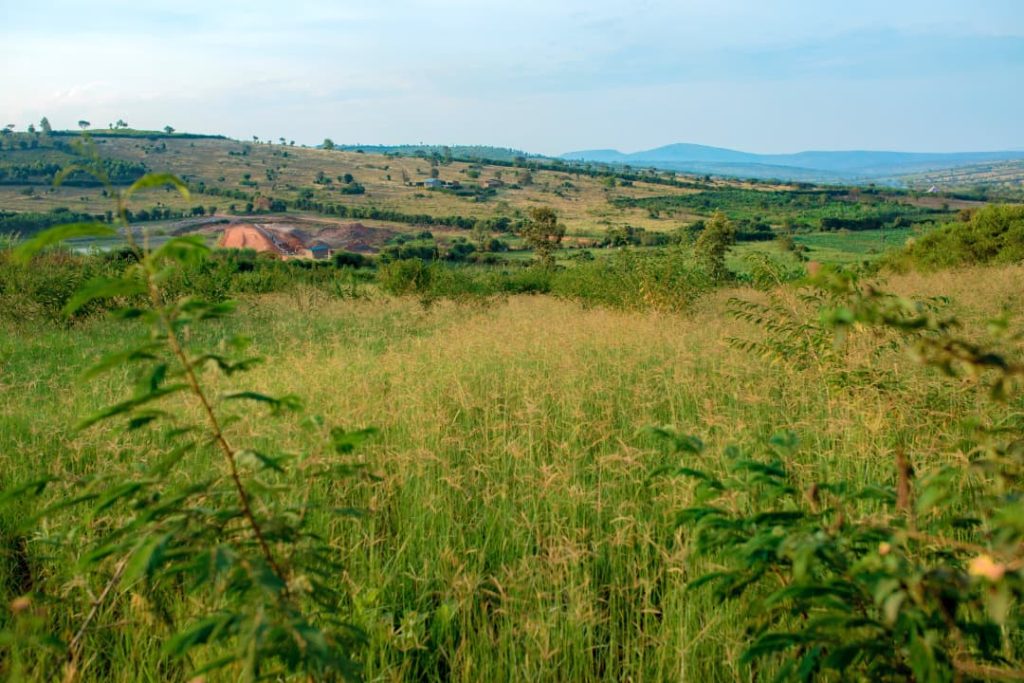
“We learned how to make hay and store fodder properly, so feed stays available across the year,” Muyambe says.
But the programme does not stop at feed. Farmers also received training on better livestock management things like improved cowsheds, hygiene routines, disease prevention, and more organized feeding systems.
In many cases, these upgrades support the gains from fodder. Healthier cattle means more consistent milk, not just a one-time boost.
“We learned how to construct good cowsheds, how to keep hygiene, and how to manage animals more professionally. Healthy cows produce better cows, and that knowledge has made a major difference,” he explains.
Across Gatsibo District, where dairy farming matters a lot for rural livelihoods, using improved fodder systems is increasingly seen as a realistic answer to climate changes and long-standing limits in productivity.
Yes, issues still exist, especially when it comes to scaling access to improved seeds and extension support. Even so, the early results point to a practical shift in how smallholder dairy farming is being kept alive and improved.
For farmers like Muyambe, the transformation is already visible, in the fields, in the barns, and most clearly, in the milk cans now fuller through the year, not only when the rains are friendly.