
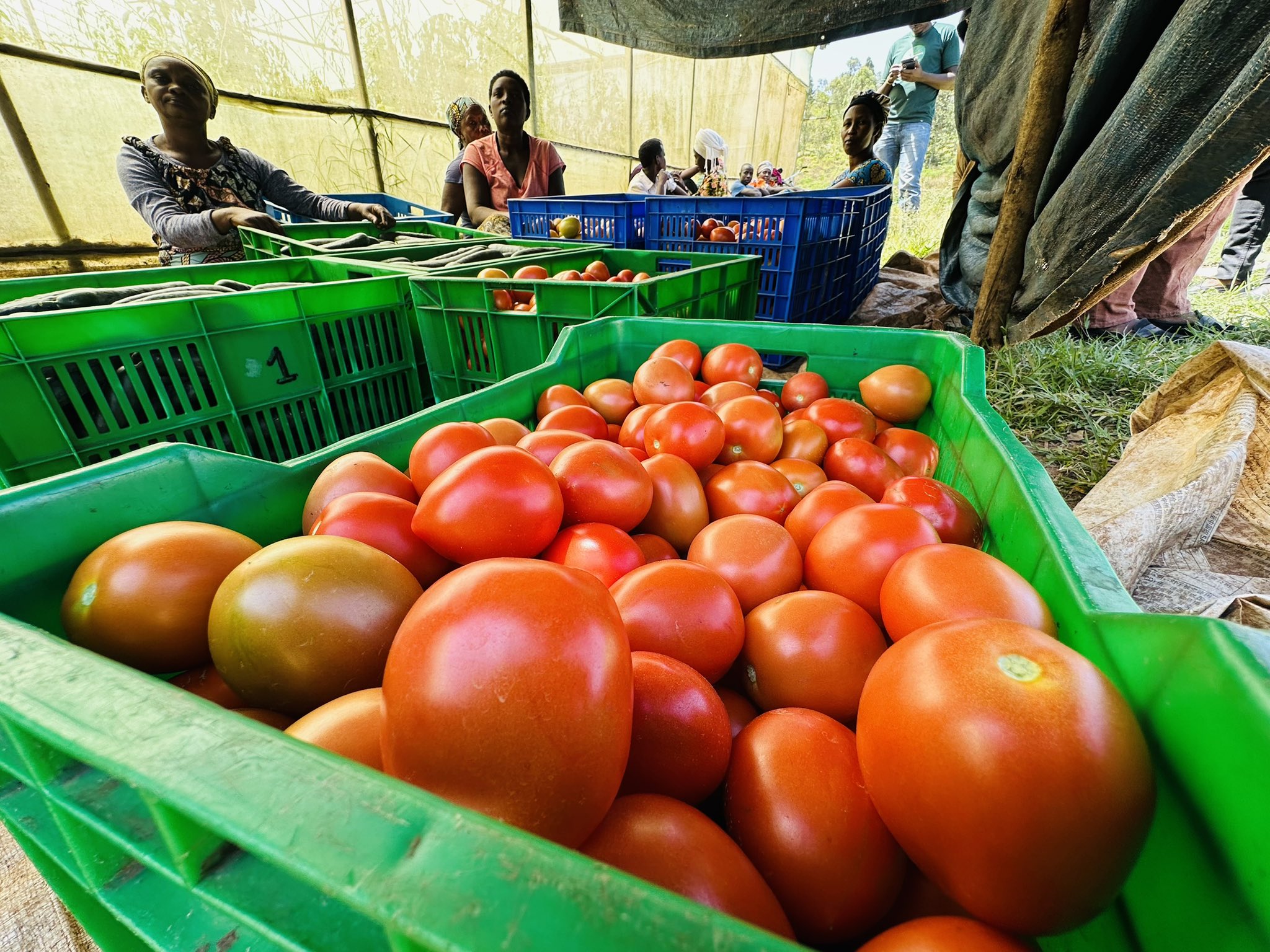
For many smallholder farmers in Rwanda, the hardest part of farming has long not been the harvest itself, but what comes after it finding reliable buyers, reducing post-harvest losses, and waiting for payments that often arrive late, or not at all. In Muhazi Sector of Rwamagana District, members of the DUHUZIMBARAGA MUHAZI Cooperative however, there’s a quiet shift beginning to change that reality in a way farmers say they can now feel in both their incomes, and their day to day lives.
Started in 2015, and later formalized as a cooperative in 2018, the group unites 26 farmers including 14 men and 12 women, among whom seven are youth, growing tomatoes, capsicum and cucumbers on about 4.5 hectares. They mix open-field work and greenhouse production. But for years, their work was being slowed down by limited market access and high losses after harvest, like the produce would spoil or get damaged before anyone could buy it.
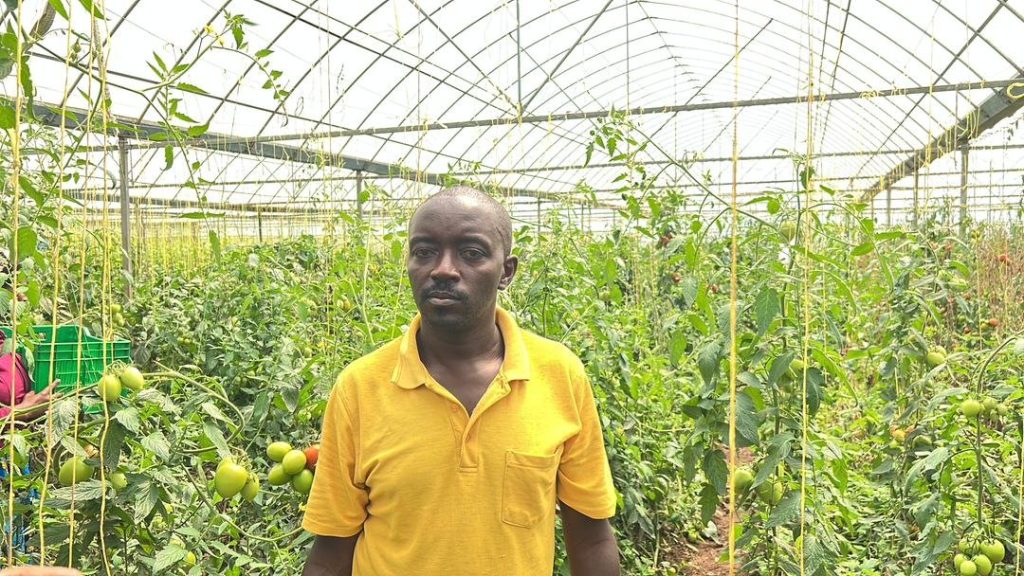
“Sometimes our produce remained unsold, and even when we found buyers, transport challenges caused significant damage,” said cooperative president Nyamurasa Jean Marie Vianney. “We were losing a large share of what we produced, really.”
Cooperative records say the losses once went to nearly 40% of the total harvest. And that’s not only here, it’s a familiar challenge across sub-Saharan Africa, where weak market systems and not-so-strong handling infrastructure keep farm incomes stuck low.
The shift, they say, came through a partnership with Afri Farmers Market Ltd. The firm is supported under Rwanda’s Innovation Challenge Fund (ICF), which sits inside the Commercialization and De-Risking for Agricultural Transformation (CDAT) project.
The initiative is led by the Rwanda Agriculture and Animal Resources Development Board, with collaboration from the Ministry of ICT and Innovation. It backs technology-driven ideas meant to tackle structural weak points along agricultural value chains.
Afri Farmers Market has built a digital platform that links farmers directly to buyers, and it also offers support across the whole production cycle. Today, the company works alongside the cooperative, giving agronomic advice, helping them reach inputs, and making sure the produce meets quality expectations before sale.
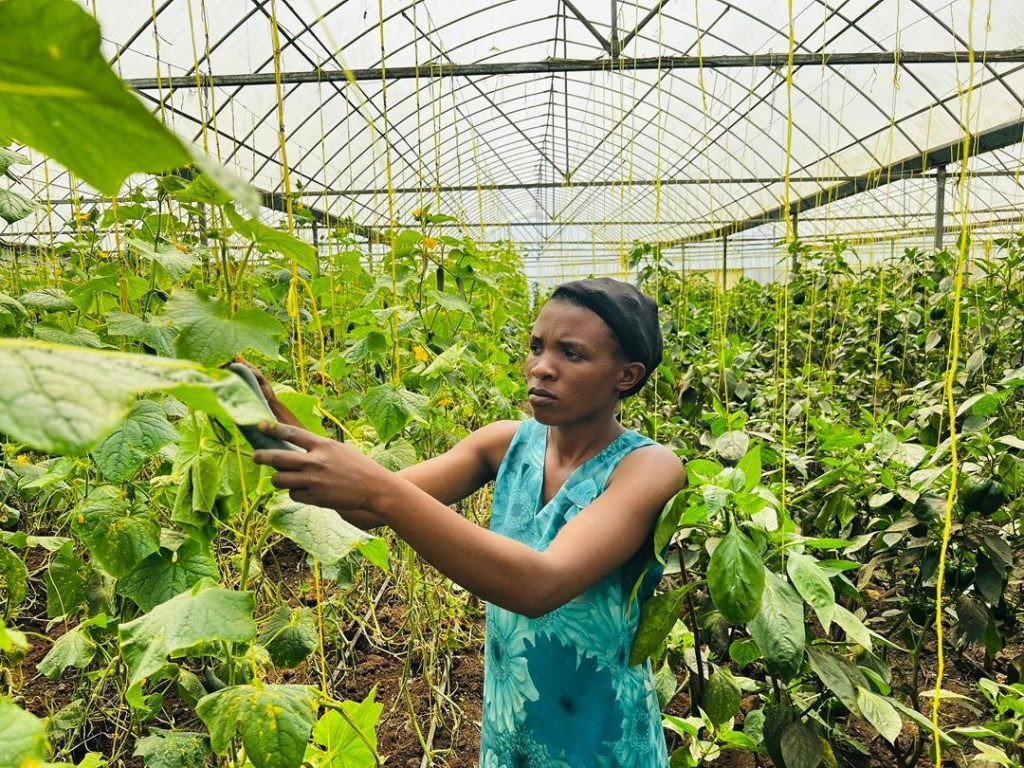
Even more importantly, the company provides a buyer , because it purchases crops straight from farmers. “Previously, we could lose up to 40% of our harvest,” Nyamurasa said. “Now, everything we produce is sold.”
The effect showed up fast, and you can measure it. For the cooperative, seasonal revenues have grown from under 4.5 million Rwandan francs, to around 8 million francs. That has improved income steadiness.
For individual farmers, it’s also visible outside the fields.
Nsengiyumva Janvier, a cooperative member, says he has used his improved earnings to invest in livestock. “I’ve been able to buy a cow and poultry,” he said. “My family’s living conditions have improved.”
And the change is pulling younger people into farming too, which has often been treated like a last option, not a business plan.
Iwiduhaye Grace, a youth member who joined two years ago, says her earnings went toward a poultry venture. “Today I own 100 chickens,” she said. “Agriculture can create real opportunities.”
Afri Farmers Market’s method brings digital tools together with practical logistics. On its e-commerce platform, farmers can present their produce to a wider buyer network, while the company collects harvests from the farms themselves, cutting down the risk of losses during transport.
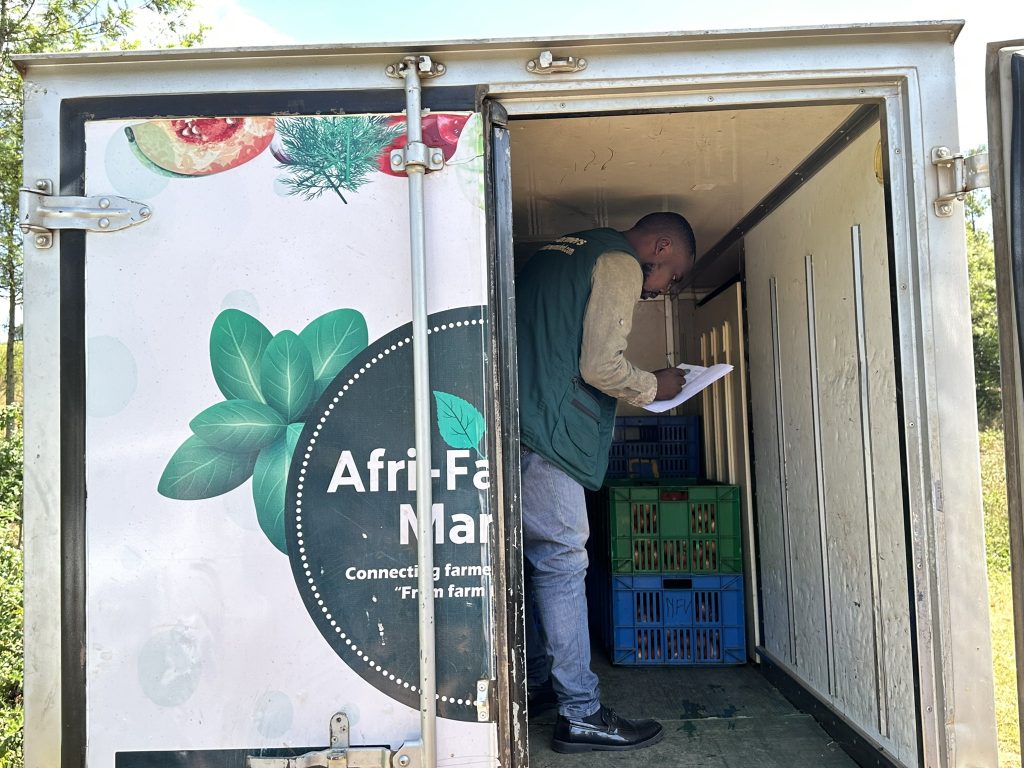
“We use technology to connect farmers to markets and ensure quality from production to sale,” said Alex Kyeyune, Head of Agriculture and Research at the company.
What they are doing also mirrors a bigger movement in Rwanda’s agriculture, one where commercialization matters more and more, meaning that market access and value chain efficiency can be just as vital as growing.
Back in Muhazi, the cooperative is already thinking about what comes next. Members plan to expand the cultivated area and invest in their own transport arrangements, so they can strengthen market access even further.
As digital platforms start closing the old gaps between farmers and markets, access not only production is becoming the main thing that counts, at least in ag outcomes.
For smallholder farmers in Rwanda, and also elsewhere, the coming days of farming might depend less on how much they grow, and more on how effectively they can market and sell what they produce.