
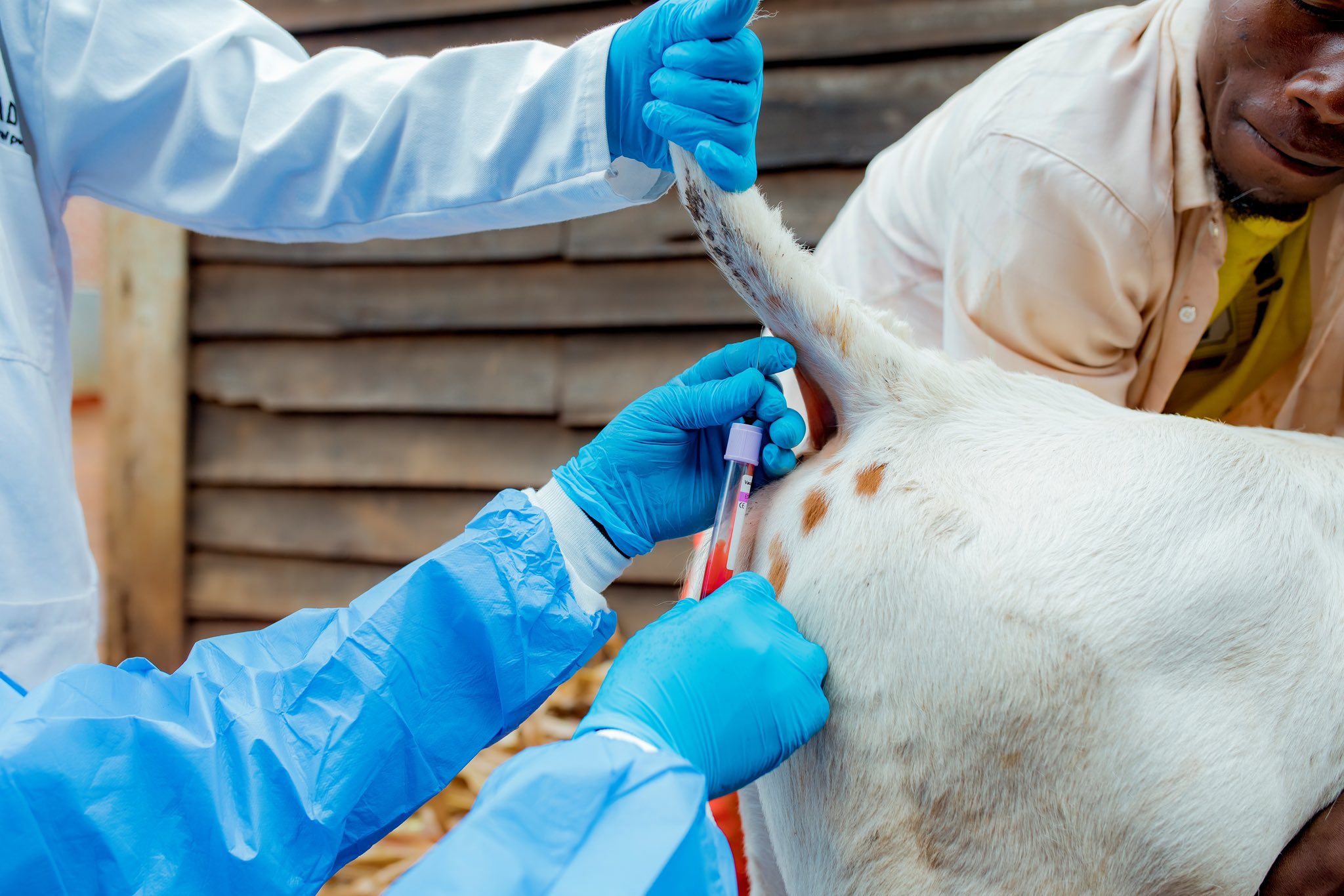
For many years in the western region of Rwanda, livestock farmers from Nyamasheke District struggled to find affordable access to animal healthcare. Access to veterinary care was extremely limited, which resulted in the loss of livestock due to the Doctors took too long to arrive, and they used old tools and guesses to treat animals. This made life very hard for farmers because their animals died, they lost money, and they felt like giving up
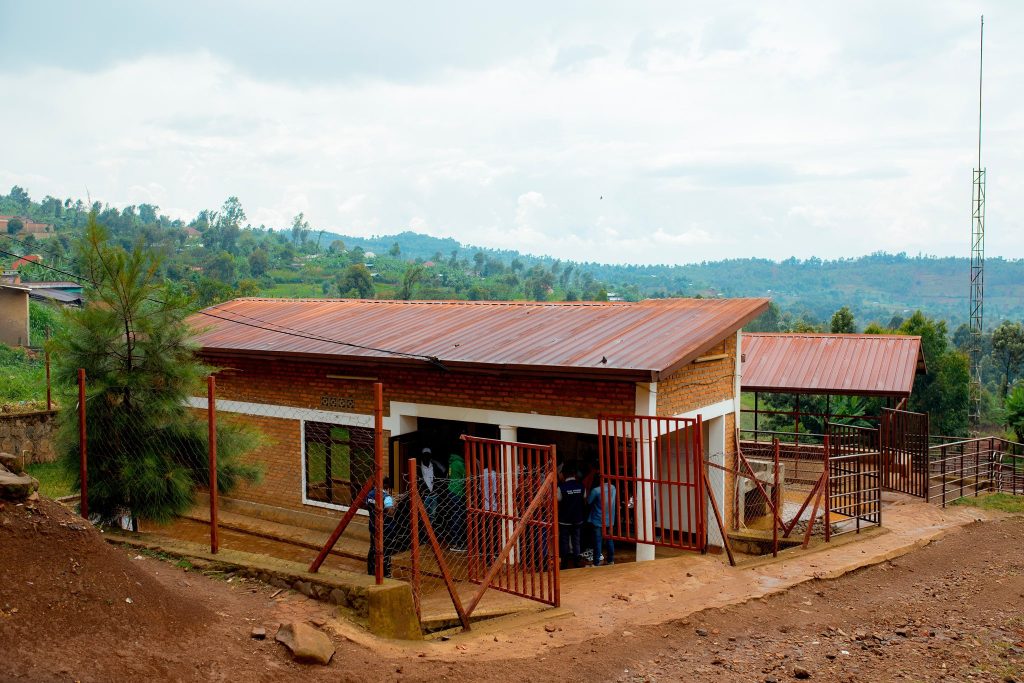
With the establishment of a modern veterinary clinic in Shangi Sector, all this has changed. With the assistance of the PRISM Project and the work of the Nyamasheke Veterinarians Company Ltd, farmers now have access to timely and professional veterinary services in their community. The new veterinary clinic has resulted in improved animal health, reductions in losses and increased production while providing employment opportunities for young veterinarians and supporting the livelihoods of farmers throughout Nyamasheke District.
Since the arrival of PRISM, veterinary service delivery has improved significantly. Niyonsenga Festus, managing director of Nyamasheke Veterinarians Company Ltd., says he struggled to provide effective service previously because of limited tools/resources. "Many times, veterinarians treated animals without the proper diagnosis this affected both vets and farmers negatively," said Niyonsenga.
Poor equipment and slow response times meant that by the time a farmer called for assistance, he/she had probably lost that animal. This caused farmers to lose faith in livestock raising as an economic activity.
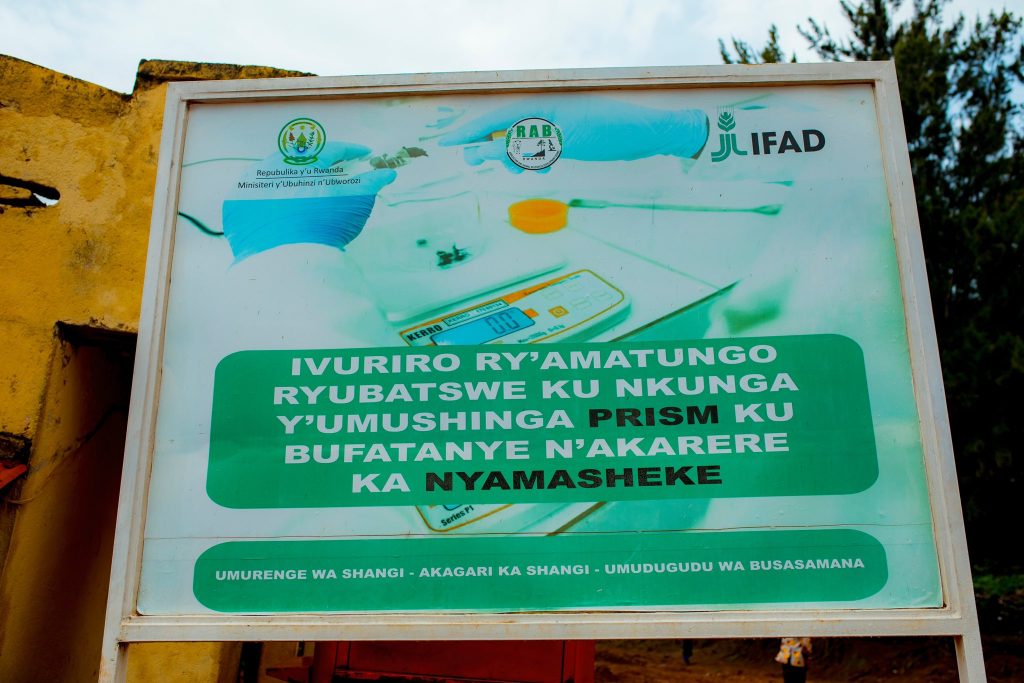
PRISM Impacting Change
As a result of PRISM's support for the building of a modern veterinary clinic in the Shangi sector, the whole landscape has changed since the building was completed in 2024. The new clinic is equipped with more than 37,110,000 Rwandan francs worth of basic diagnostic and treatment tools which allow for accurate examination and more professional care. As well, the government supported this effort with motorcycles allowing vets to be mobile and respond more quickly to situations throughout the district.
The Nyamasheke Veterinarians Company Ltd has a total of 194 veterinarians, made up of 142 youth, 37 men, and 15 women, who work within all 15 sectors of the District of Nyamasheke.
Regular, professional service delivery makes a difference.
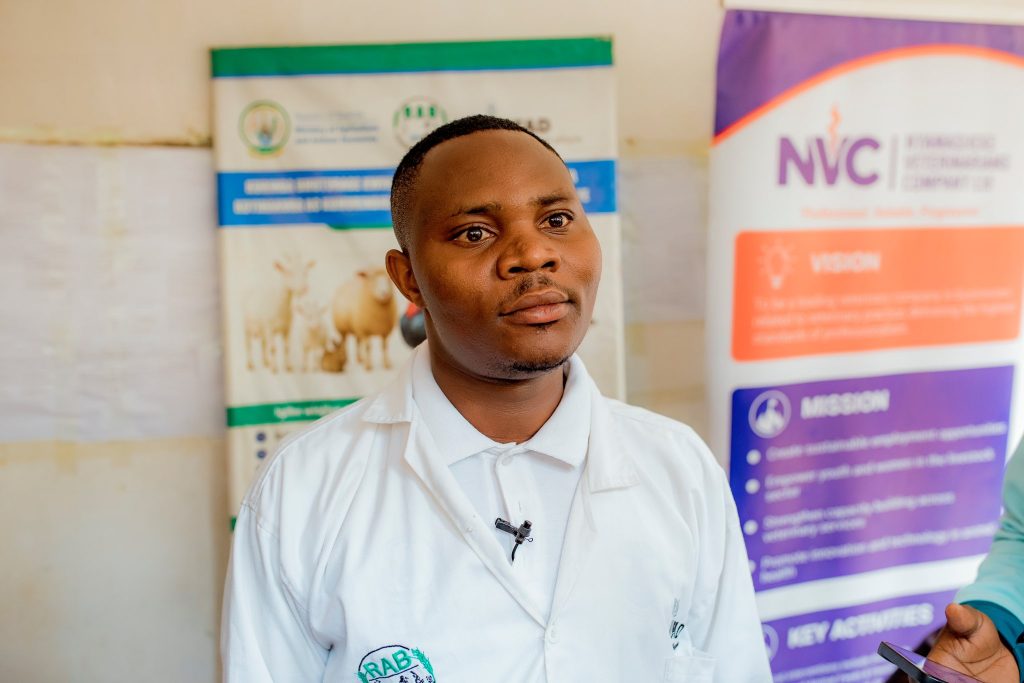
Despite only operating for a few months average monthly treatment of 230-260 head of animal (cows, pigs, goats, other types) the clinical services provided by the clinic have greatly improved delivery of service and service quality.
"We have increased our skills, confidence, and income with the clinic," Niyonsenga commented. "But more so, we have enhanced our ability to deliver quality service to the farmers we are working with."
Improving diagnosis leads to improved recovery, healthier animals, and improved productivity, and has restored much of the abandoned livestock farming confidence for farmers.
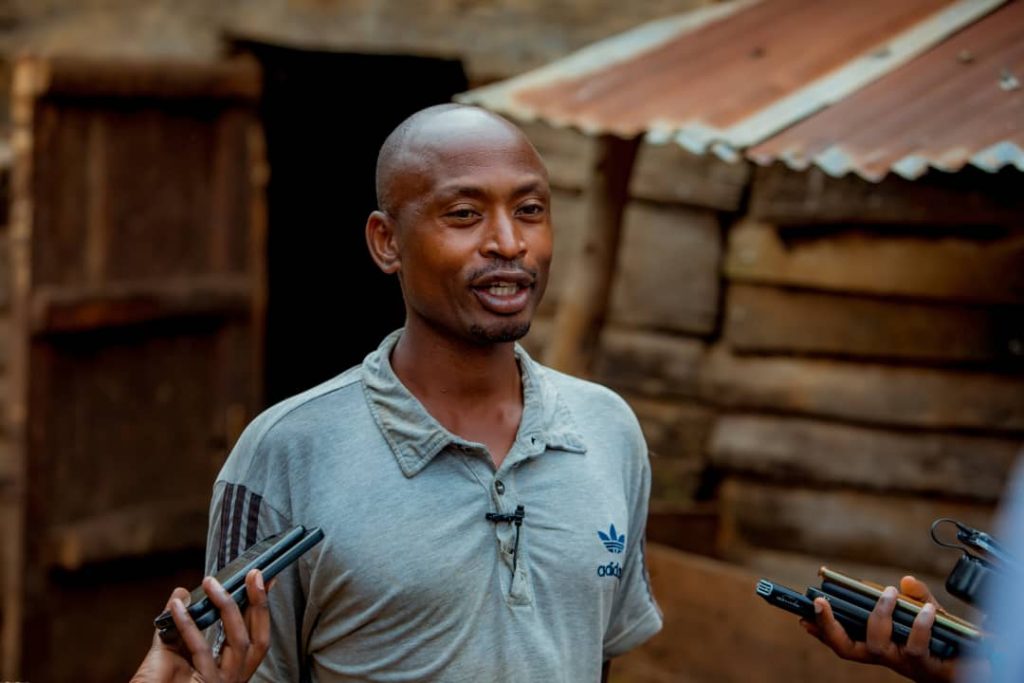
In Bushenge Sector, one farmer, Uzayisenga Jean, expresses how life-changing access to a nearby veterinary clinic has been for him, "Previously we had trouble finding a veterinarian when we needed one, therefore we often lost our animals before help arrived." Now, as soon as he notices his livestock showing signs of illness, he calls the veterinarian. As a result, he has saved many of his animals and his income has been protected.
Successful Model
By providing investments into physical infrastructure, modern technology, and enhancement of mobility, PRISM has decreased the amount of time that livestock must wait for treatment, improved diagnostic capabilities of diseases, and improved livestock value chains within the entire Nyamasheke region. Farmers have been able to keep livestock through access to good veterinary care; veterinarians are able to operate with pride, proficiency, and purpose.
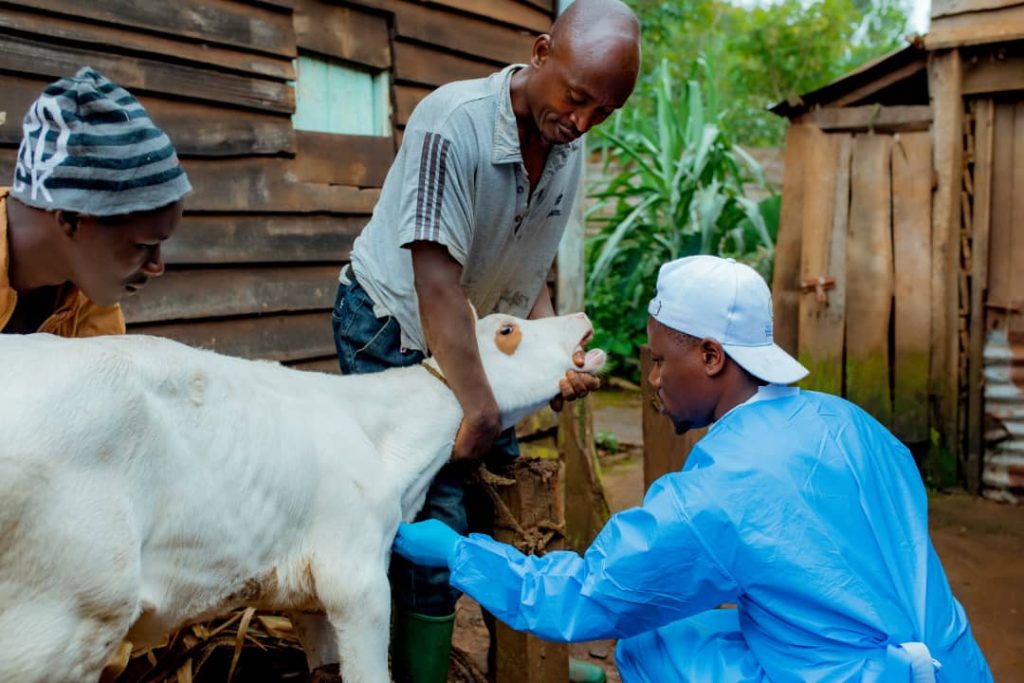
The Nyamasheke Veterinarians Company Ltd. is an example of a very simple concept when services for farmers begin to be within a reasonable distance from the farmers’ farms, it bolsters the economies of the rural areas. The Veterinary Services System, which was in dysfunction, is now a working model one veterinary clinic, one disease diagnosis, and one livestock saved at a time.
Written By Jean Bernard MUKUNDENTE