

In Rwanda’s mountainous Ngororero District, tackling childhood malnutrition requires more than simply increasing crop yields. It involves reshaping community mindsets, encouraging household food diversity, and providing vulnerable families with practical resources to improve daily nutrition.
According to Benjamine Mukunduhirwe, Vice Mayor of Ngororero District in charge of social affairs, a government-backed initiative the Sustainable Agricultural Intensification and Food Security Project (SAIP II) is helping drive this shift.
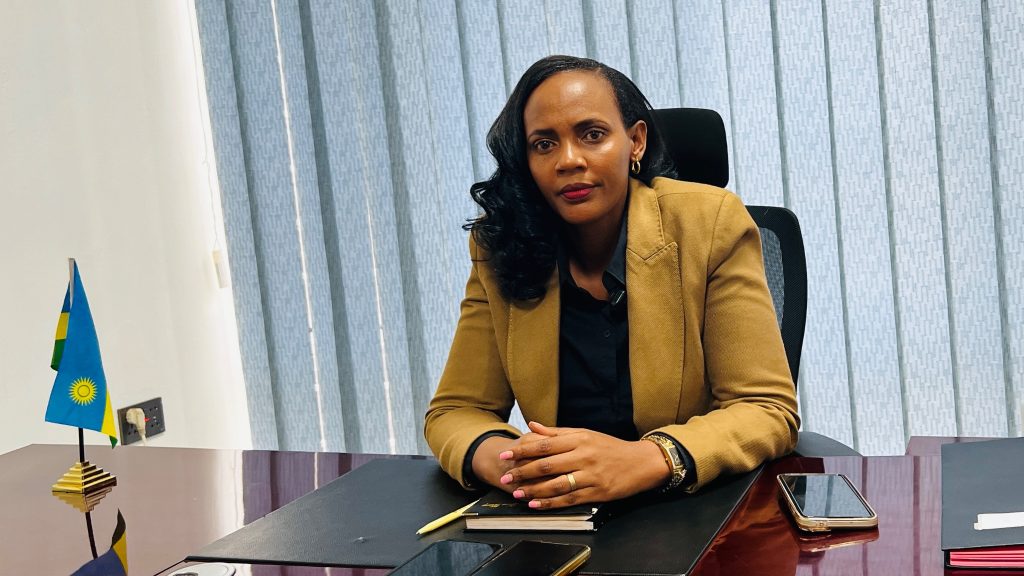
"SAIP has helped us change the mindset of citizens regarding balanced diets," Mukunduhirwe explained during a field visit to the district.
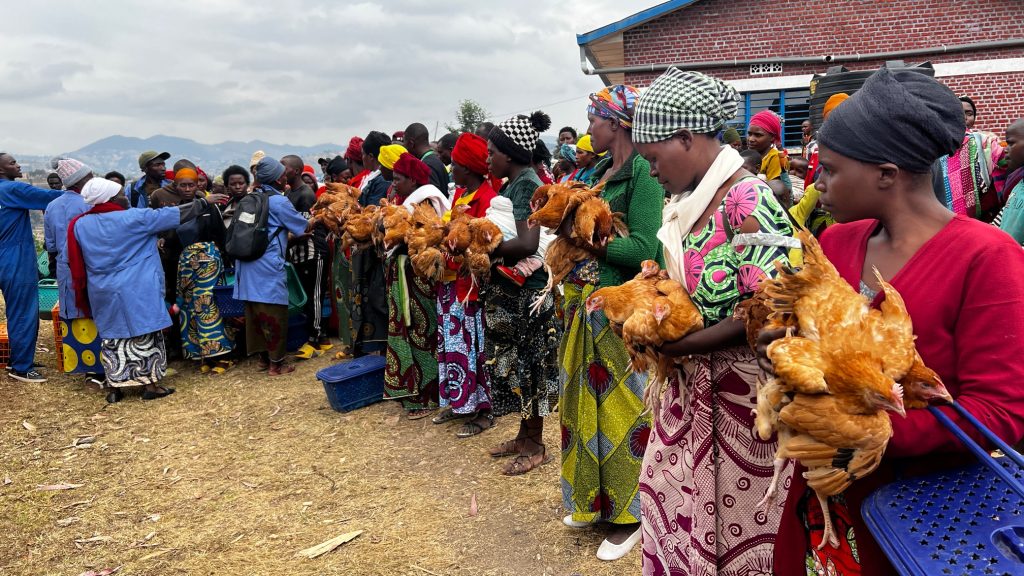
The initiative currently operates across four sectors in Ngororero, supplying households with agricultural inputs alongside nutritional education. Interventions include vegetable seed distribution, kitchen garden training, and livestock provision, with selected households receiving four chickens each.
Official district figures highlight measurable progress. The prevalence of stunting among children under five in Ngororero fell from 50.5% in 2020 to 35.8% in 2026. Local officials attribute this 14.7-percentage-point reduction to integrated nutrition strategies, including targeted agricultural support, while stressing that sustained effort is needed to eliminate chronic malnutrition.
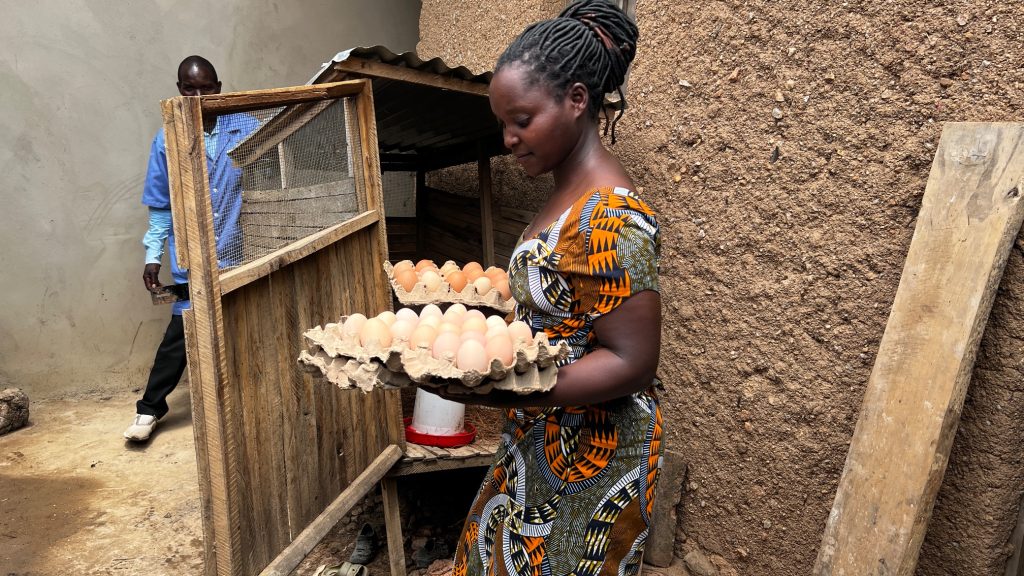
During a recent visit to Kavumu Sector, additional families with malnourished children received livestock under the project. Among them was Solange Muhawenimana, from Nyamugeyo Cell, who received four laying hens, a coop, and feed.
"This gives our household an opportunity to secure nutritious food directly at home," Muhawenimana said. Collete Nirere, a resident of Gitwa Cell, was among other local mothers receiving similar assistance.
Across Ngororero, early beneficiaries demonstrate how localized food production is impacting household health. Anne Marie Mushimiyimana, who received chickens during an earlier phase of the program, noted a marked recovery in her child's health following the introduction of eggs to their daily diet.
"My child's condition has significantly improved, and we now have a steady supply of fresh eggs at home," Mushimiyimana said.
A similar outcome was reported by Yvonne Bombi Uwanyirigira, also from Nyamugeyo Cell, whose family was selected after her young child was diagnosed with malnutrition. She confirmed that household egg production helped stabilize her child’s nutritional intake.
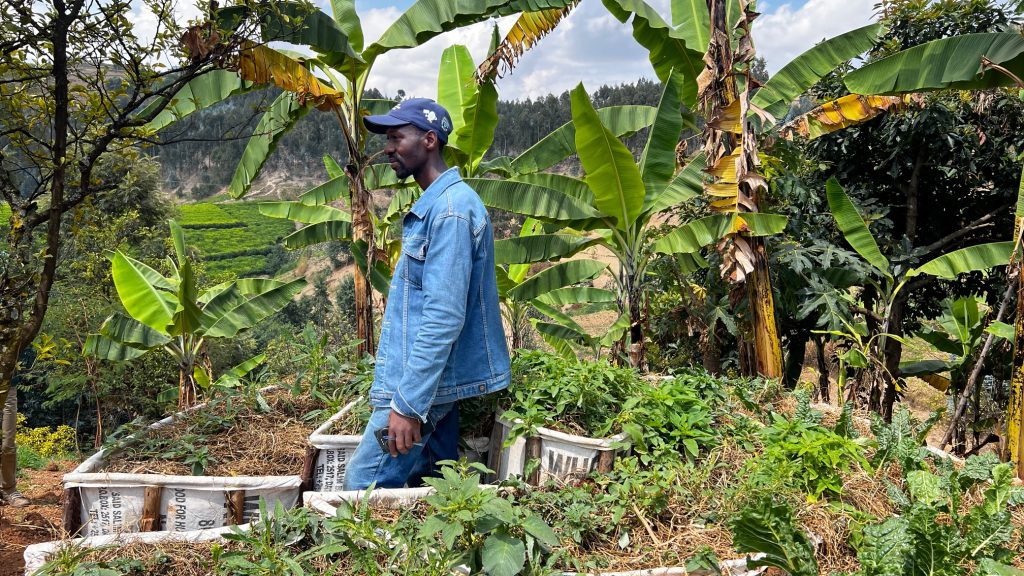
The intervention also targets crop diversity. Local farmer Jean Damascène Ndayambaje received seeds for nutrient-rich vegetables, including carrots, amaranth, and spinach. The produce from his plot now helps supplement meals at a nearby Early Childhood Development (ECD) center, expanding access to balanced diets for young children.
These community experiences reflect a broader approach to rural development: pairing input distribution with practical education so families can independently sustain nutritious diets.
While chickens provide animal protein and kitchen gardens offer essential micronutrients, project evaluators emphasize that long-term progress depends on whether households continue these practices after external support concludes.