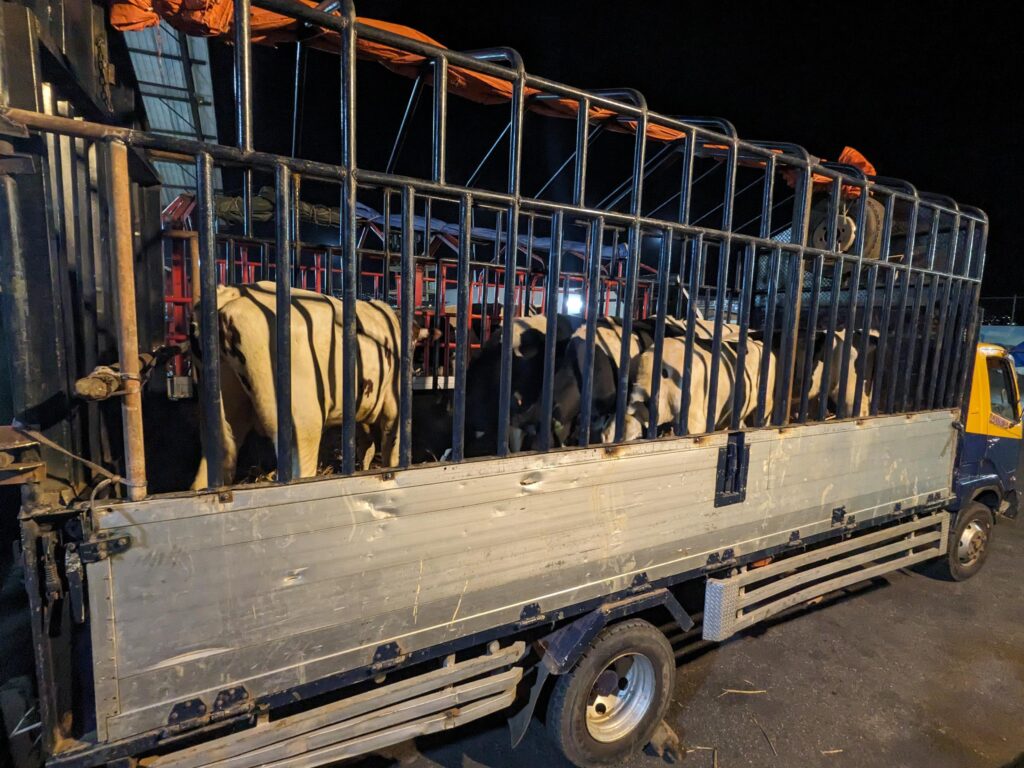
The introduction of new high-genetic-merit bulls will boost genetic advancement in Rwanda's livestock industry because they will arrive to assist with the country's growing bovine artificial insemination program.
On January 21, 2026, the Rwanda Agriculture and Animal Resources Development Board (Rwanda Agriculture and Animal Resources Development Board) received 10 Holstein-Friesian bulls which were delivered to Songa in Huye District.
The government imported bulls from Germany to enhance national capabilities for producing premium bovine semen which will be used in both dairy and beef production systems.
RAB reported that the bulls hold genetic capabilities to produce cows who will exceed 10000 liters of milk during each lactation period which will benefit smallholder dairy farmers when the genetic material is applied through artificial insemination methods.
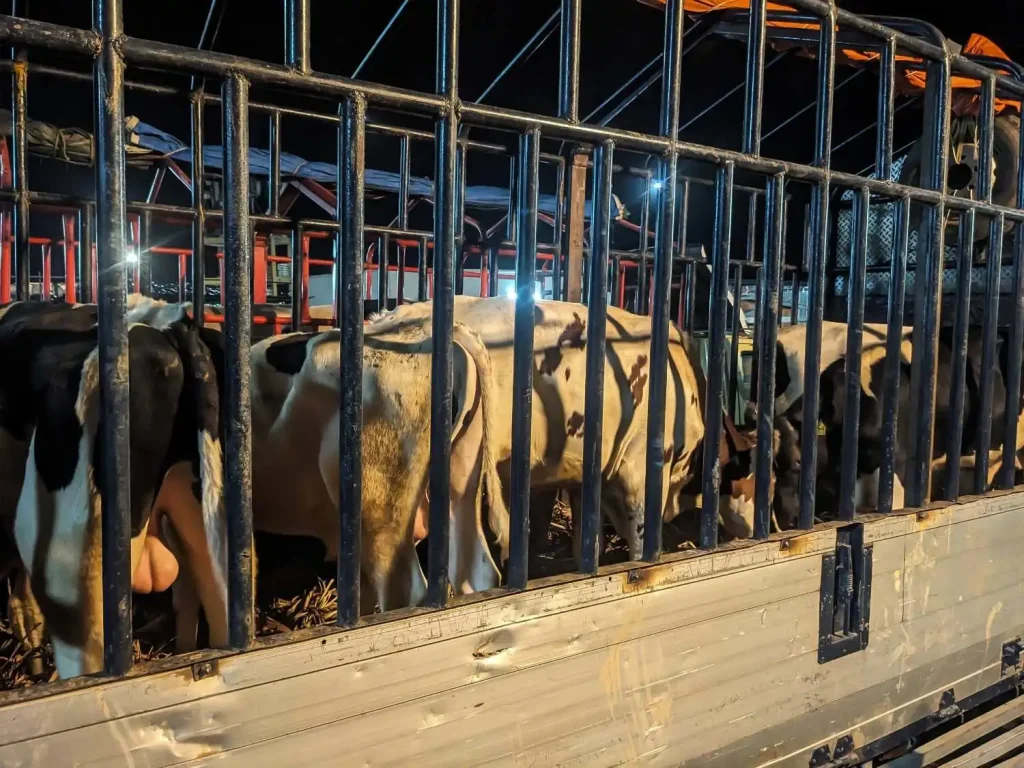
The bulls will help farmers build better cattle herds through genetic access which will deliver cost-efficient and dependable breeding results to farmers.
The planned improvements will result in greater milk production, enhanced animal capabilities, and increased financial resources for households.
In April 2026, the delivery will bring 20 high-genetic-merit bulls to the area. The delivery will include Jersey and Brown Swiss breeds for dairy production and Angus and Charolais breeds to strengthen beef value chains.
The established Centre of Excellence in Bovine Genetic Improvement at Songa will utilize the imported materials to develop national facilities for semen production and artificial insemination and embryo transfer operations and livestock technician and farmer training programs.
The national milk production target of over 1.32 million metric tonnes by 2028/2029 through PSTA 5 and NST2 implementation matches the program which fulfills national agricultural priorities.
The high-genetic-merit bulls introduce a pivotal development for Rwandan cattle breeding modernization which will deliver enhanced food security and long-term transformation of the livestock sector.
All the bulls were purchased by the Rwanda Dairy Development Project -Phase 2 which received funding from the International Fund for Agricultural Development to operate under the Rwanda Agriculture and Animal Resources Development Board.