
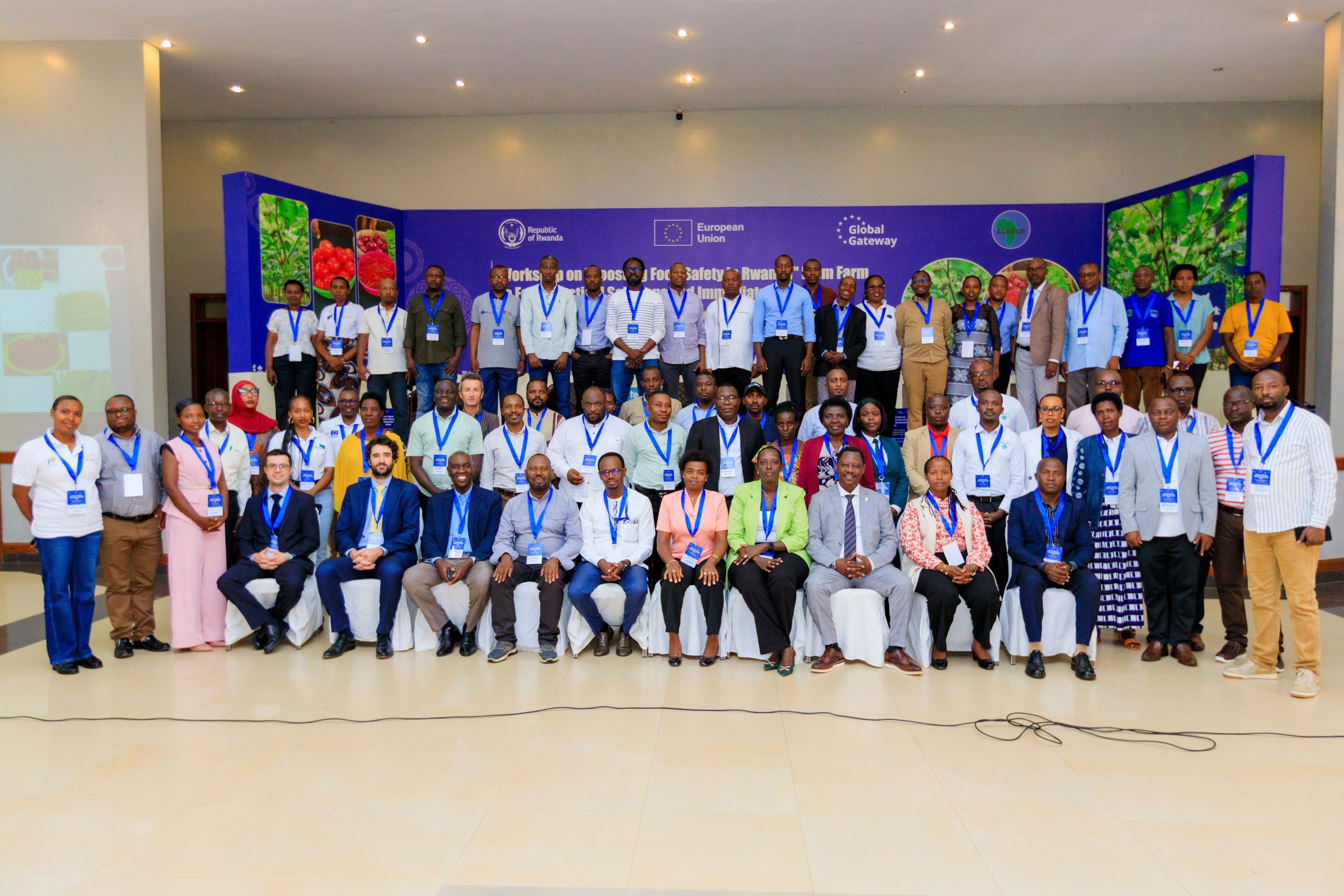
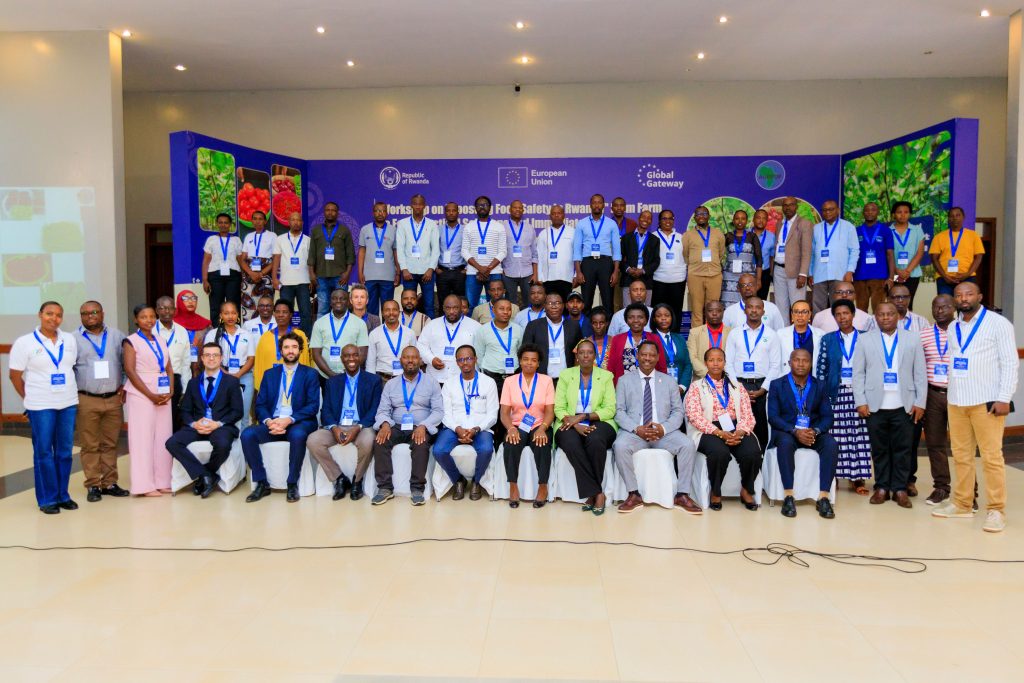
Agriculture stakeholders in Rwanda are gathered in Kigali to find solutions to issue related to food safety, starting from farming process to food distribution.
The two-day workshop, taking place at Nobleza Hotel on 25–26 November, is focusing on practical measures to improve food safety across the agricultural value chain under the European Union-funded KUNGAHARA Programme.
Alice Mukamugema the director general of the agriculture value chain management and trade in the ministry of agriculture and animal resources of Rwanda said that the ministry (MINAGRI) is working with the farmers from the land preparation stage till the production process providing them with consultations and assistance.
She said the efforts also involve institutions including the Rwanda Agriculture and Animal Resources Development Board (RAB), Rwanda Inspectorate, Competition and Consumer Protection Authority (RICA), Rwanda Standards Board (RSB) and FDA, which contribute to farmer education and food quality monitoring.
Farmers are advised to take care of crops during production and harvesting stages to avoid damages and keep quality.
Nonetheless, Mukamugema stated that there are still challenges, including a lack of understanding of quality standards by some farmers as well as problems with the application of fertilizers, pesticides and other agricultural supplies. Also, a deficiency in the necessary tools needed to handle and store crops is yet another problem.

MINAGRI is collaborating with partners to help farmers understand food quality standards better, make them more aware of these requirements and provide them with access to the equipment and infrastructure necessary for crop storage and handling.
The EU confirmed its commitment to assist Rwanda in the agricultural transformation by implementing initiatives which address productivity, food security and rural lives of the population.
Elise Hadman, the head of Partnerships of the EU Delegation in Rwanda, declared this on 25 November.
The EU-funded agricultural program, which was launched in 2024, works in 22 districts and covers over 200,000 households in rural areas. Amongst its interventions are irrigation, greenhouse farming, crop drying and minimization of post-harvest losses.
Hadman stressed the significance of collaboration with the Rwandan government, MINAGRI, cooperatives, and farmers to improve agricultural yield, nutrition and livelihood.
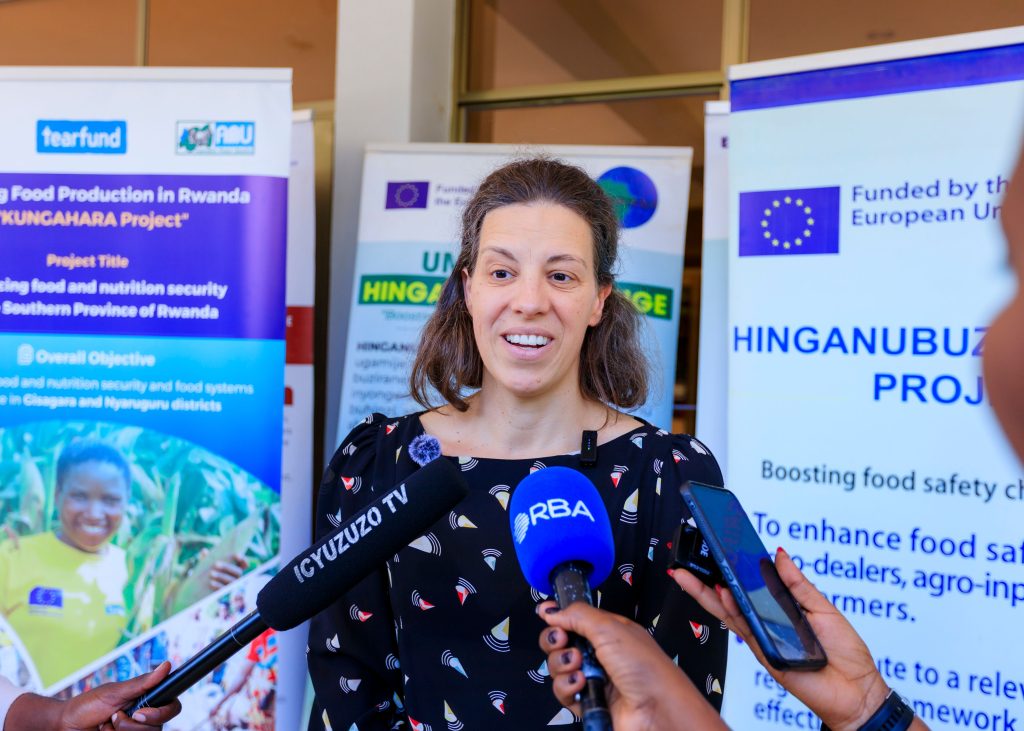
She emphasized once again the EU's support for the Kigali Wholesale Market project, which is a priority program within the Global Gateway strategy that is predicted to help develop the agricultural sector of Rwanda.
According to the EU, it will continue its cooperation with Rwanda in order to implement sustainable agricultural practices and improve food security.
According to the National Agricultural Export Development Board (NAEB), Rwanda produced around $75.12 million from horticulture exports during the fiscal year 2023/2024.
The financial contributions from the various types of horticulture include vegetables $42.34 million (56.36%); fruits $30.62 million (40.76%) and flowers $2.16 million (2.88%).
The information provided above depicts the significance of horticulture to the economy as well as the importance of observing food safety and quality standards throughout the agricultural value chain for enhancing competitiveness of Rwanda in the international markets.
According to Agrifop, good agricultural techniques, managing produce properly, and meeting quality standards are important for farmers who want access to local and international markets.
Safari Jean Bosco, agri-business development expert in Rwanda, CEO of Agribusiness Focused Partnership Organization (AGRIFOP) says that one of the concerned matters discussed in a workshop was food quality.
Agrifop is Rwandan organization providing services that are market-oriented agriculture also participating in KUNGAHARA Programme using Hingana Ubuziranenge project.
He added, “There was a discussion of the meaning of food quality for farmers and how they can comply with it throughout the production process starting from planting seeds till consumers.”
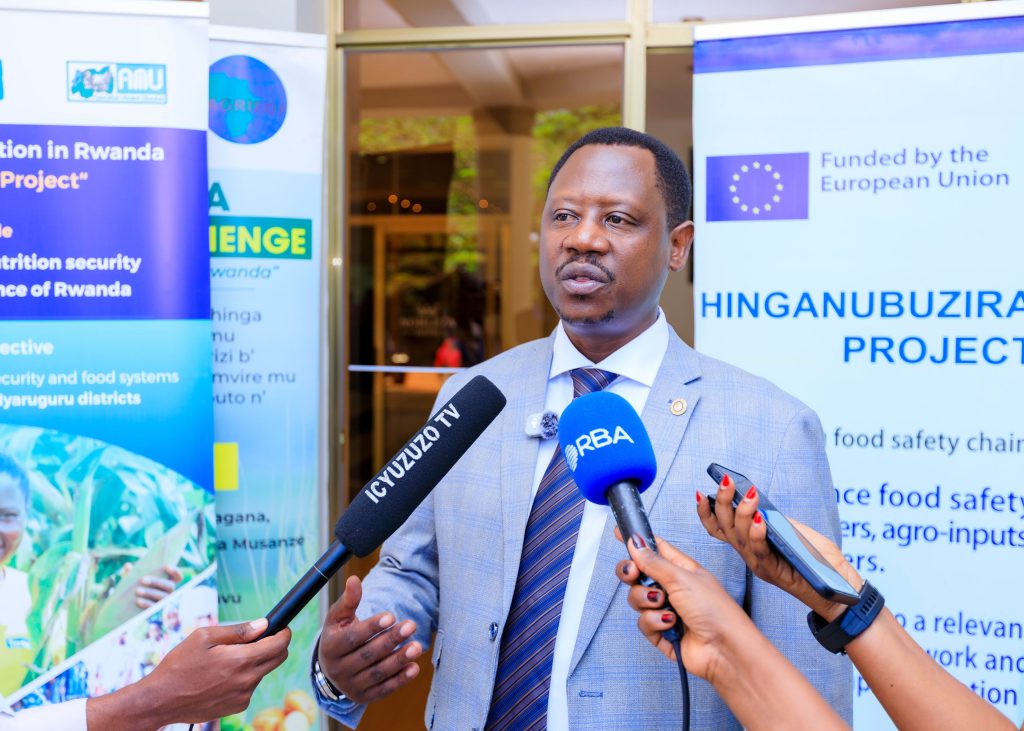
Farmers should be knowledgeable about field preparation, proper seed selection, good use of fertilizers and pesticides, and planting future crops to make sure they follow the standards.
“For example, farmers growing tomatoes should know everything about the cultivation of tomatoes which meet the standards set,” he concluded.
He cautioned that improper pesticide usage can impair the quality of produce and noted that farmers also have to practice proper methods when harvesting, handling, packaging and transporting their goods.
Safari gave an example of tomatoes, saying that farmers must take into account the whole process of transporting their products and the buyers’ needs, including export market requirements.
He added that ignoring the rules of good agriculture could lead to financial losses, including problems with market entry.
He emphasized that research revealed that Rwandan farmers could miss almost 40% of their possible yield due to their failure to follow the rules of good farming practices.
Written By Jean Bernard MUKUNDENTE