
Conflicts associated with the utilization of land and joint management of resource may lead to decline in trust as well as collaboration between farmers, and hence, lower productivity levels in agriculture.
In order to tackle such issues, Rwanda is giving training to representatives of community-based organizations to address disputes in agricultural cooperatives.
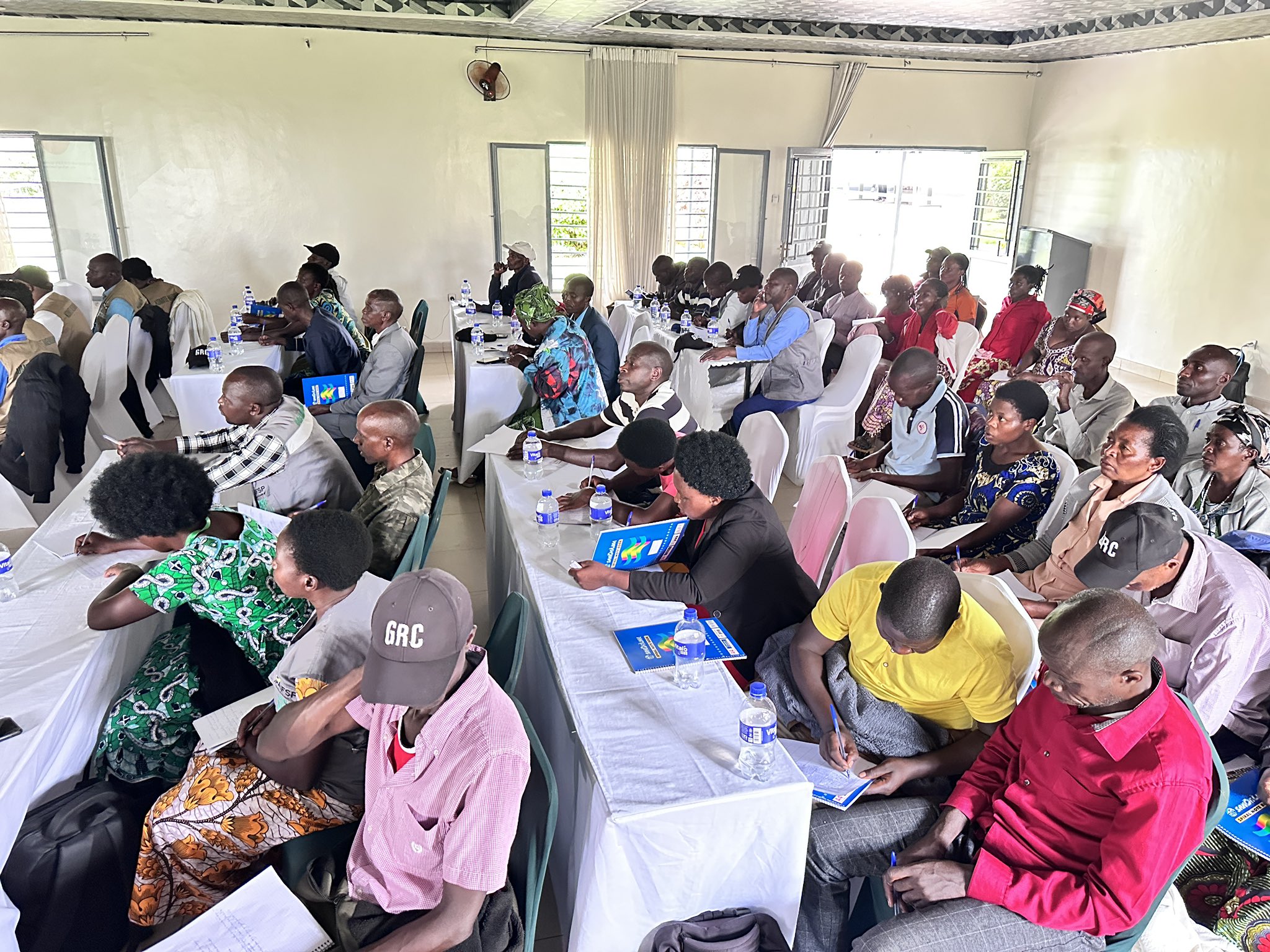
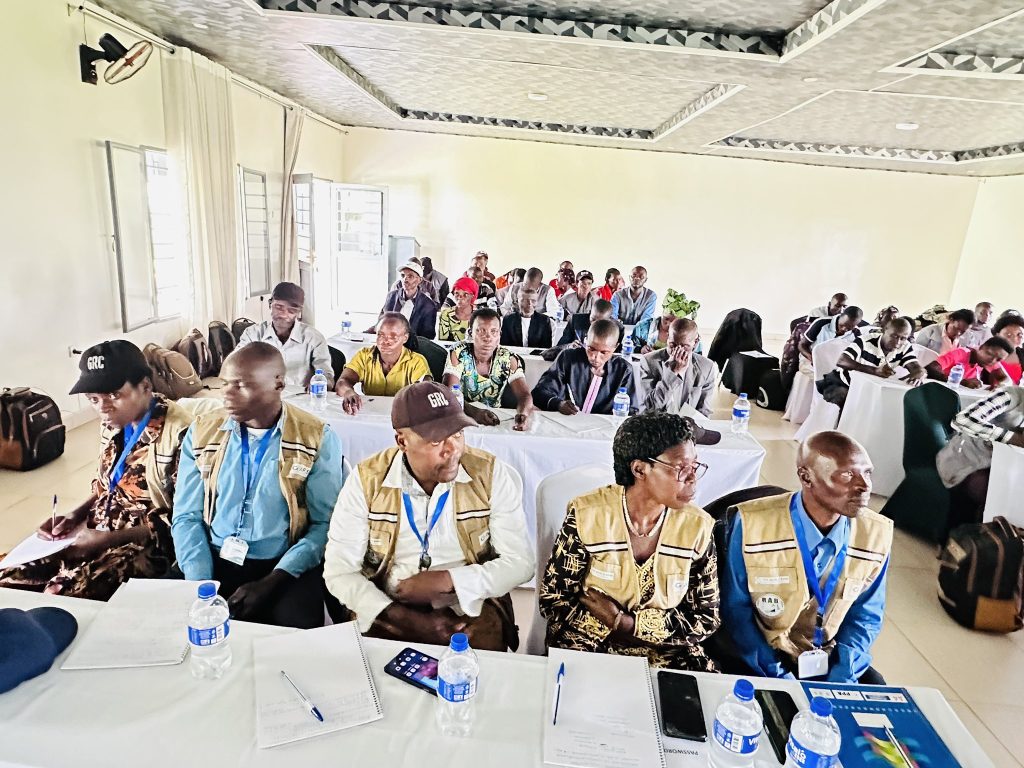
Total of 55 representatives of Grievance Redress Committees (GRCs) located in districts of Muhanga, Kamonyi and Rulindo participated in a training conducted in Rwamagana District.
Training has been organized by the Rwanda Agriculture and Animal Resources Development Board (RAB) through its Single Project Implementation Unit (SPIU) and in the framework of the second project of Sustainable Agricultural Intensification and Food Security (SAIP II).
During the training, the participants learnt how to make categories of complaints, conflicts and disputes, detect their causes, listen to the parties, and negotiate and mediate accordingly.
Mukamugenga Clementine, who is a member of Kora Ubeho Cooperative in Muhanga District reported that, thanks to this training, she now has better understanding of how to solve conflicts among farmers.
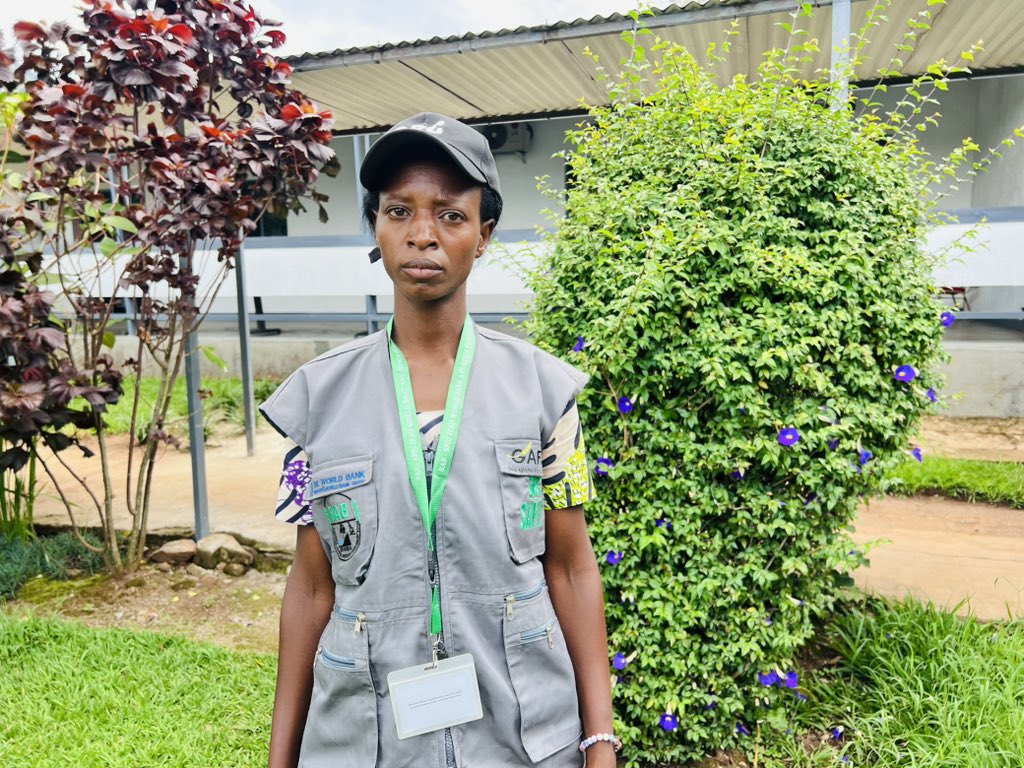
According to her, bringing committee members from various cooperatives together provided a chance to exchange experiences and learn.
Disputes may occur in agricultural cooperatives as a result of disagreements regarding the use of land, problems in the use of shared resources, and violation of previous decisions made by members.
NYIRIMANA Felix, a member of the Grievance Redress Committee representing COWABONYI Cooperative in Nyabirasi Sector, Rutsiro District, claimed that the disagreements regarding the use of land persisted for members of the cooperative.
He mentioned that there were instances during which its members misused land for things not agreed upon by the cooperative, as well as cases when they went against the land of other members.
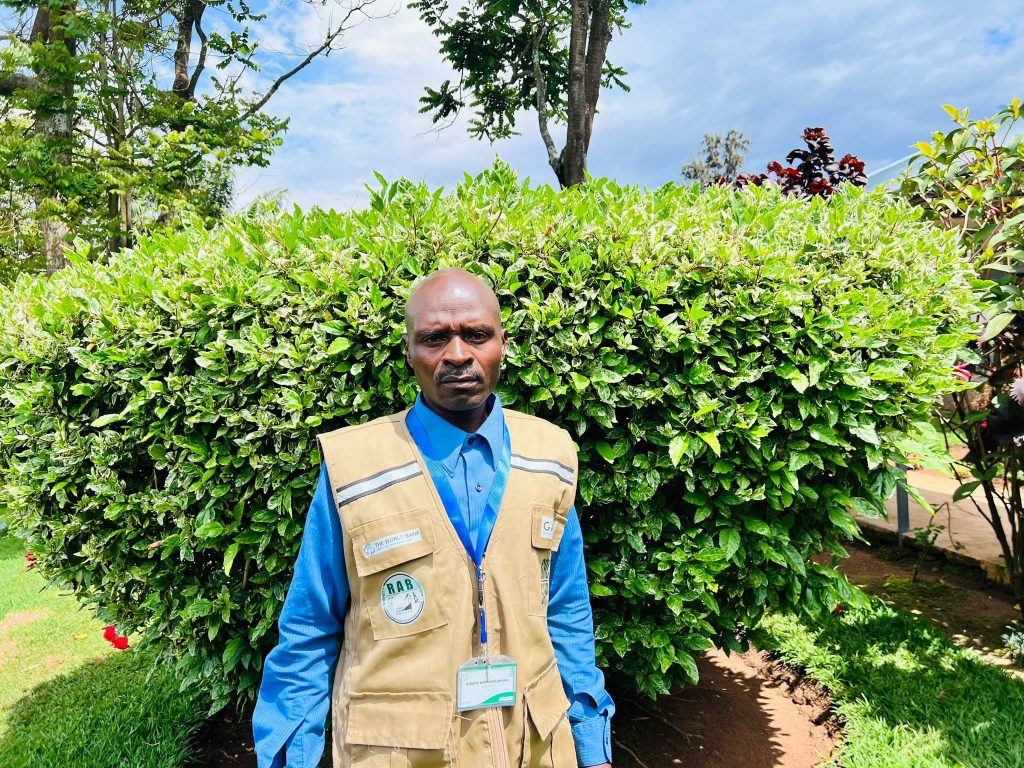
To help in solving the problems, the cooperative organized a committee tasked with taking complaints and dealing with the cases and finding a solution to them.
As stated by Nyirimana, the course has allowed the participants to be aware of grievance, conflict and dispute difference and learn about the methods to solve issues.
According to Alain Munyandinda, a Social Safeguards Specialist at RAB's SPIU, the training aims to provide information and skills to the members of the committee to manage the complaints raised by people in the cooperatives.
According to him, trainings have been done every year for cooperatives receiving assistance from SAIP II, and it is planned to expand it to more farmers including smallholder farmers in the future.
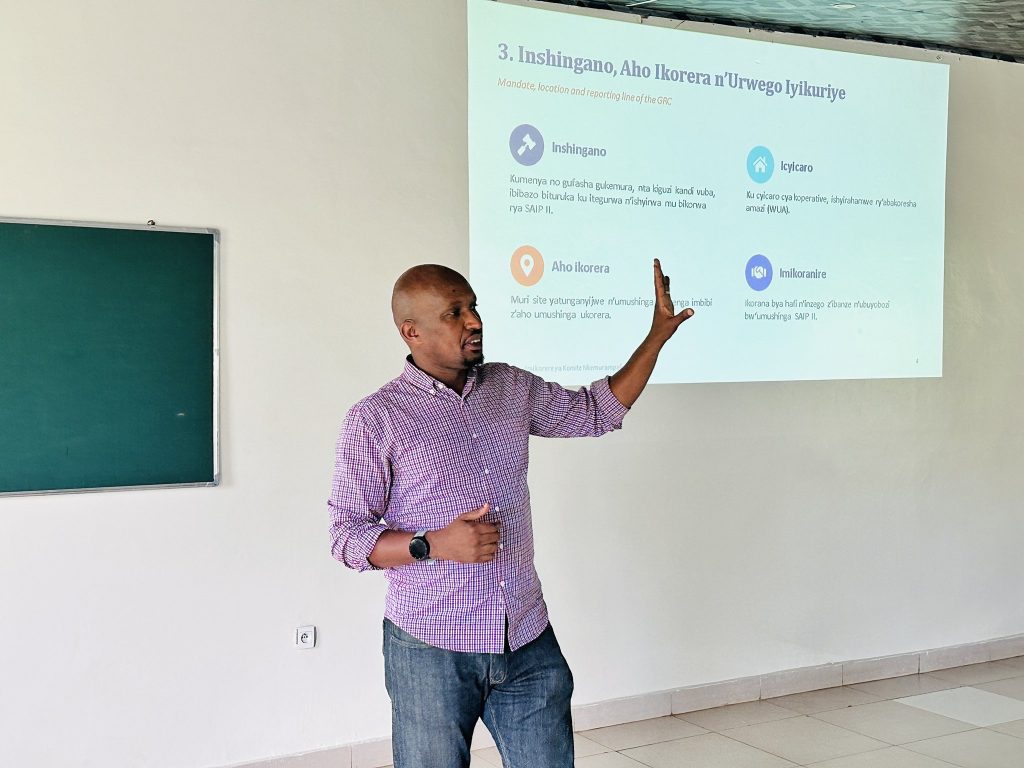
Munyandinda said the committees help the government implement its policies by resolving disputes at the local community.
In the context of the project, training is also being provided regarding complaints registration, follow-up, reporting and referral.
The complaints-handling system is based on the requirement that the cases should be studied in 30 days with the proper documentation of the reports every month.
Sensitive cases involving sexual exploitation, abuse and sexual harassment should only be treated confidentially and referred to the relevant institutions such as Isange One Stop Centre or RIB.

As SAIP II nears completion, it is critical to enhance the effectiveness of committees to guarantee the proper functioning of grievance-handling systems once the project is over. The initiative also motivates cooperatives and Water User Associations to include grievance-handling procedures in their bylaws, keep track of cases, set aside resources for committees’ work, and collaborate closely with each other.
Early dispute resolution can help in preserving the trust between cooperative members, improving the management of joint resources and assuring cooperation among farmers. Thus, for agricultural cooperatives, effective conflict resolution means not merely resolving disputes but above all ensuring an environment in which farmers can work in partnership and achieve their common development objectives.