
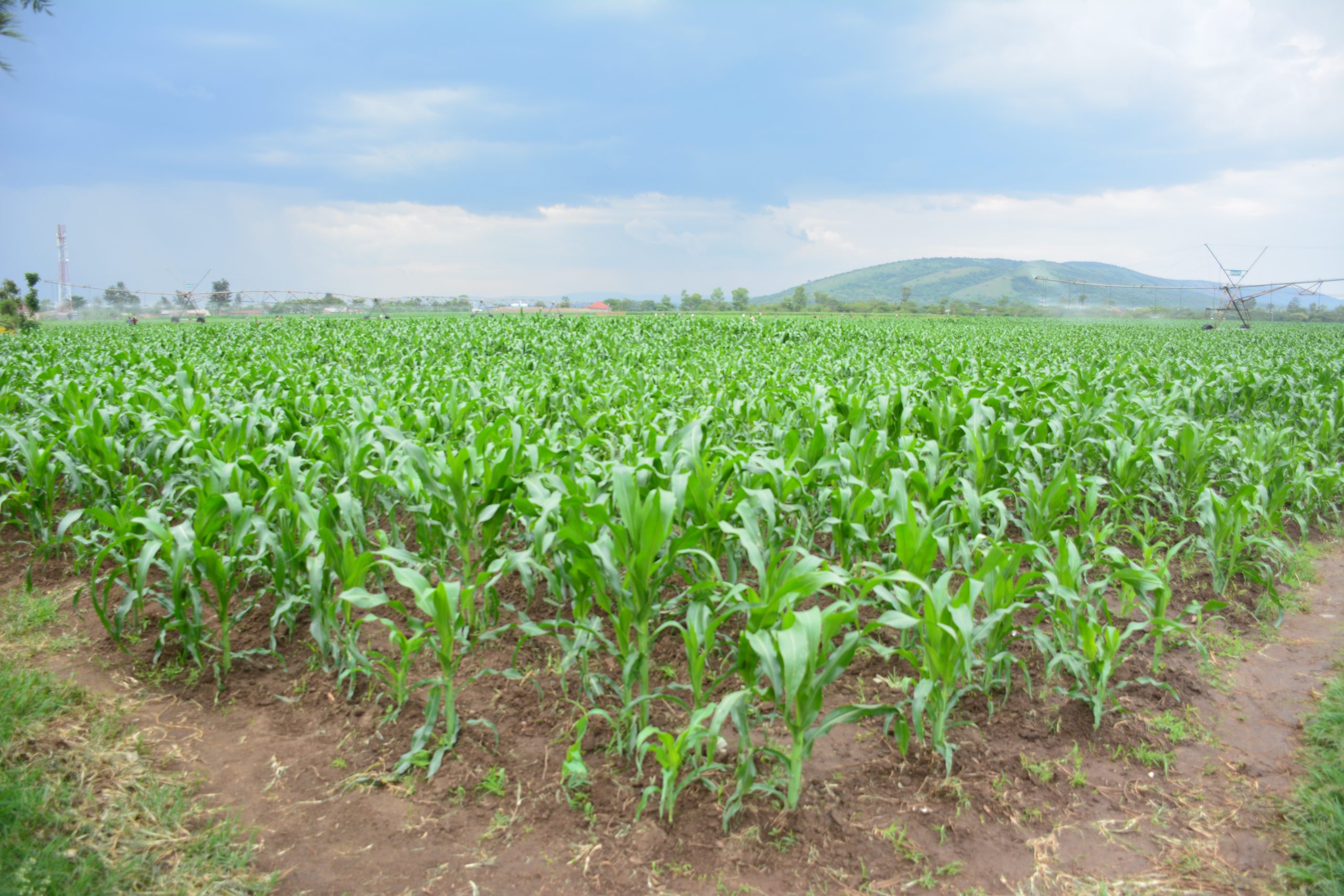
In eastern Rwanda’s Nyagatare District, farmers say a government-backed agricultural programme is changing more than just how much they produce, but how they think about farming.
Members of KABOKU Cooperative say training and steady backing under the Commercialization and De-risking for Agricultural Transformation (CDAT) programme has helped them go from subsistence production to a more organized, market focused way of handling horticulture.
The cooperative, based in Matimba and Musheri sectors, gathers 1,087 farmers 721 men and 266 women, working about 900 hectares of land.
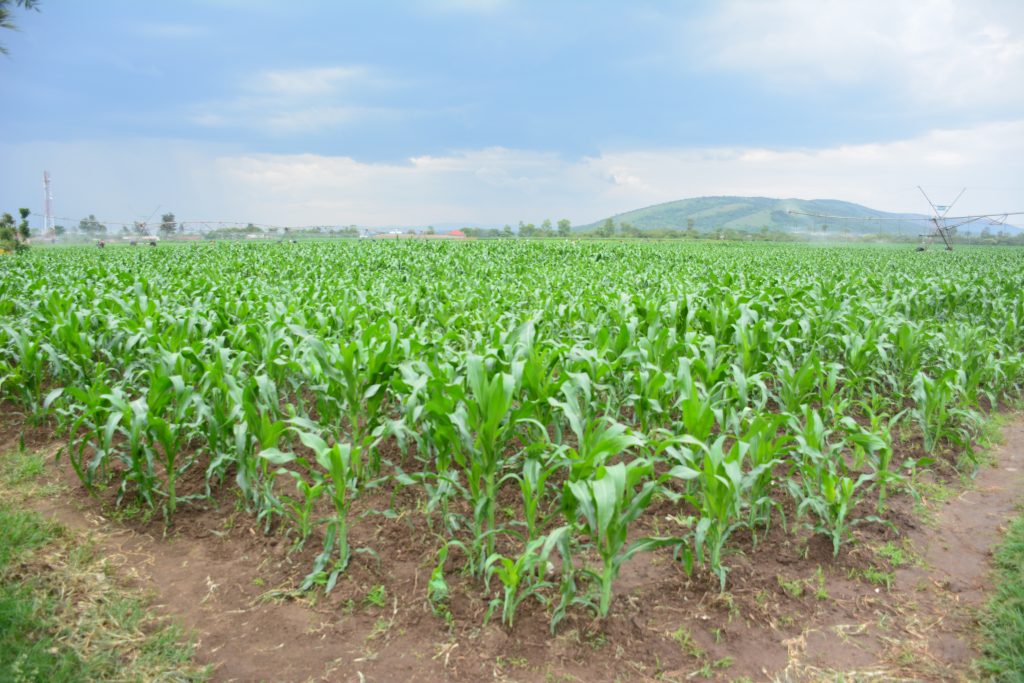
Farmers say the most significant change has been a shift in both productivity and mindset.
“We were farming for local markets”
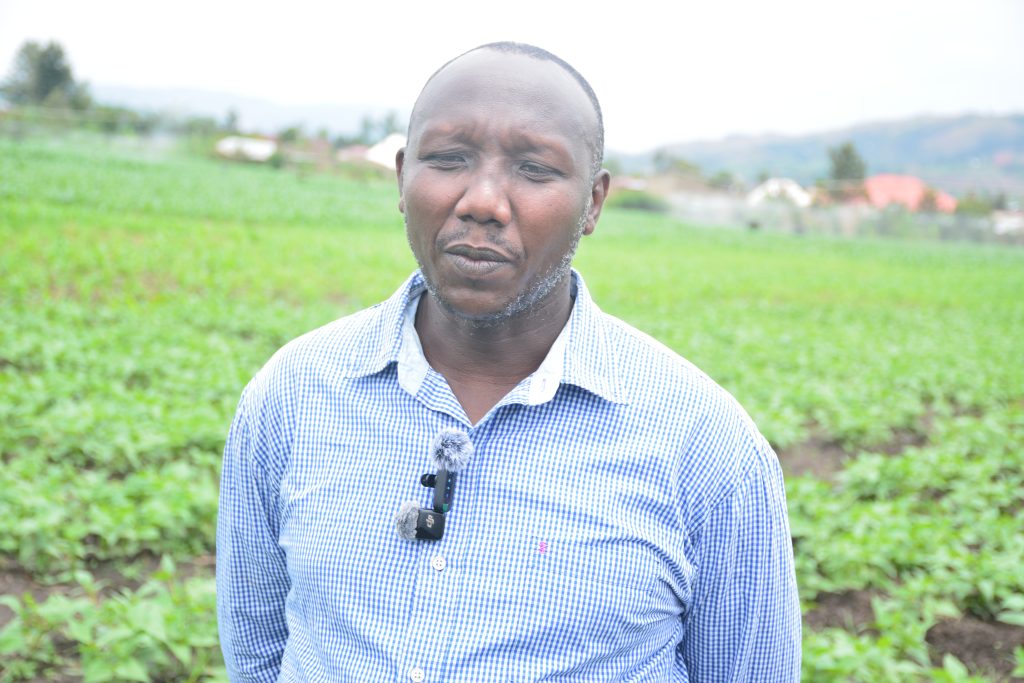
Wilberforce Ngabirano, President of KABOKU Cooperative, says CDAT is boosting both output and a more professional approach among farmers.
“The different interventions provided through CDAT have contributed to improved productivity per hectare and strengthened individual farmers’ capacity to manage their farms more professionally,” he said.
He also notes farmers were trained in modern agricultural techniques, including compost production, and they got support with tools like electric sprayers and protective gear to make work faster and safer.
“Knowing the market changed everything”
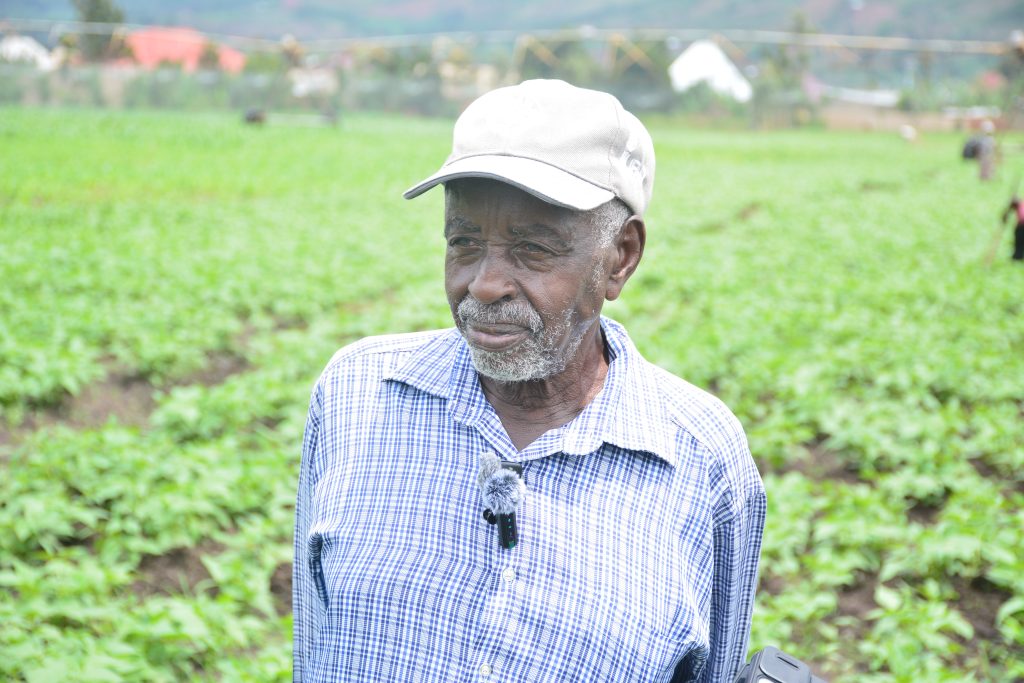
For Bisanga Leo, a French bean farmer on two hectares within the Kagitumba Irrigation Scheme, increasing production was one piece of the puzzle. He says understanding what the market actually wants mattered just as much.
“We received training on market-oriented agriculture. We were also supported to participate in study visits where we could learn from other farmers,” he said.
Through the programme, farmers were introduced to higher value crops like French beans and chilli, alongside improved agronomic practices.
Leo says better soil care, including using organic manure, has helped yields as well.
“With the support of CDAT, my production has increased. Today, we also have a market for our produce, and this is something we have achieved with the support of the project,” he said.
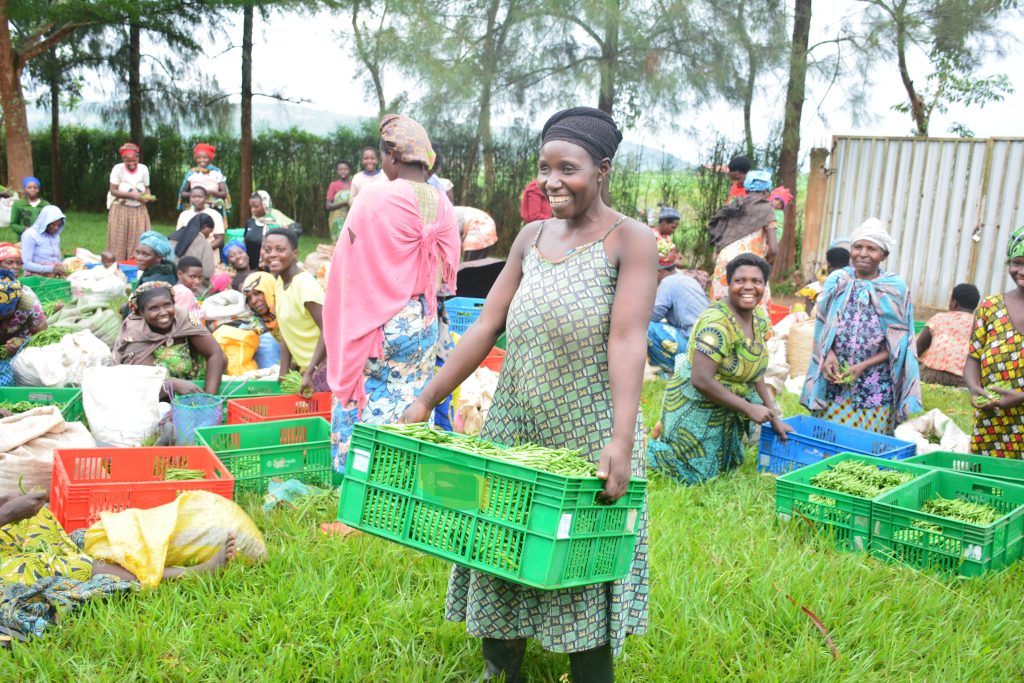
Julienne, one of the casual workers working in a cooperative member’s farm, says the wages she earns help her improve her livelihood and support her personal development.
The transformation of KABOKU Cooperative is in line with the National Strategy for Transformation (NST2) 2024–2029 of Rwanda, which seeks to transform agriculture from subsistence into commercial farming.
The NST2 strategy aims to improve productivity in agriculture through irrigation and the use of the improved seed varieties and modern fertilizers. The overall idea is to enhance farmers’ production and get them connected to markets.
The mentioned approach is in line with the objectives of the programme called Commercialization and De-risking for Agricultural Transformation (CDAT), which is the programme created by the Government of Rwanda jointly with the World Bank Group. The aim of this programme is to promote agriculture commercialization, enhance irrigation systems and improve farmers’ access to finance and insurance.
In KABOKU Cooperative, farmers say that as a result of the implemented steps, the performance has improved, skills have been enhanced and farming has been gradually changing from subsistence to the market-oriented agriculture in compliance with the goals of NST2.
The program is being implemented in 37 sites located in 16 districts across the country, including Muhanga, Nyanza, Ruhango, Huye, Gisagara and Nyaruguru in Southern Province, Kayonza, Bugesera, Gatsibo, Nyagatare and Kirehe in Eastern Province, Rusizi and Nyamasheke in Western Province, Gicumbi in Northern Province, Gasabo and Kicukiro in the City of Kigali.
Written by Jean Bernard MUKUNDENTE.