
Potato yields at the Muyanza farming site increased from 12 to 16 tonnes per hectare between 2024 and 2026, according to figures from an agricultural development project.
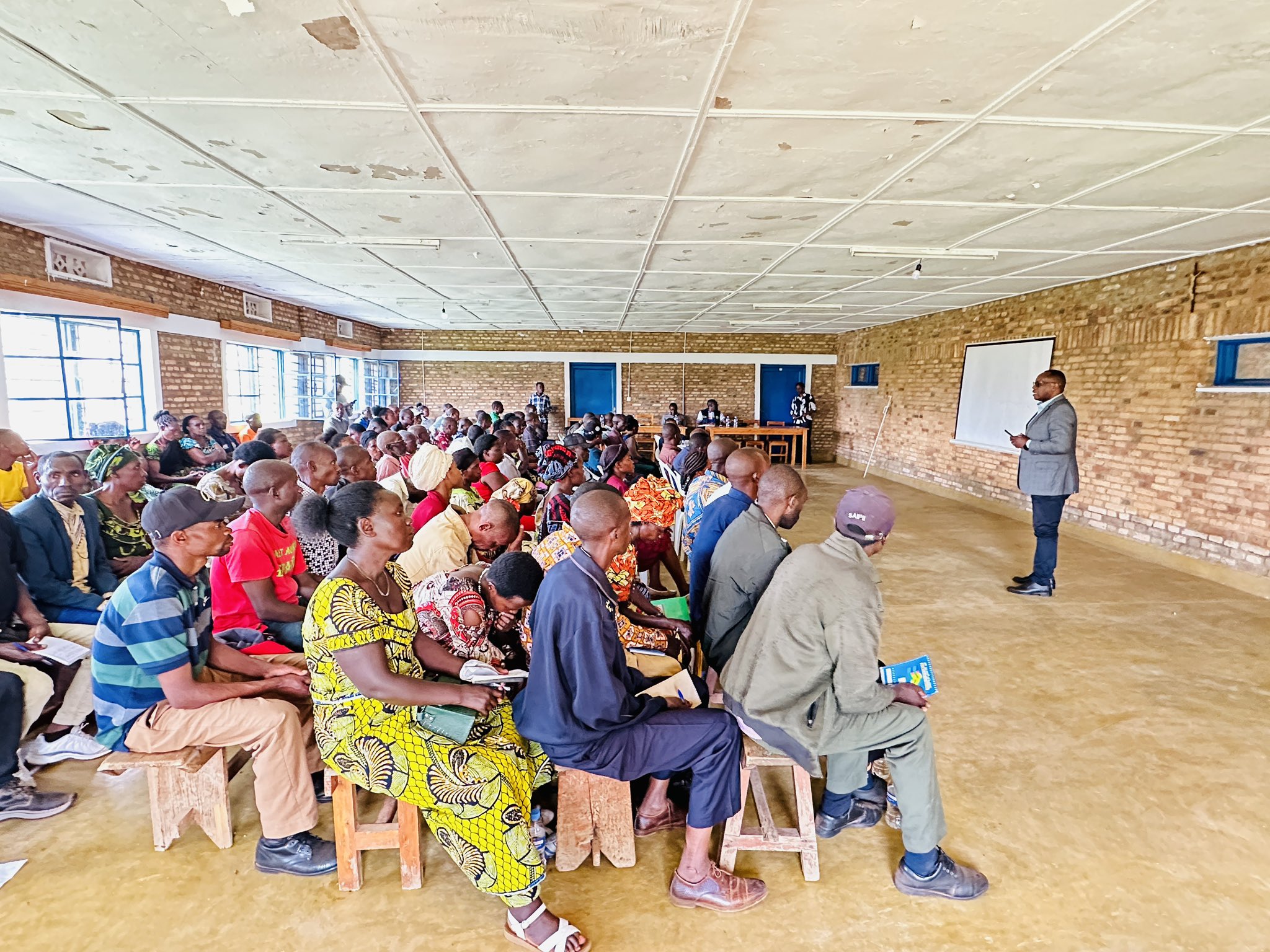
Farmers from northern Rwanda gathered, to share farming know-how and sort through progress in crop output, as part of an effort meant to bolster food security and also household earnings.
The gathering happened on 27 October in Muyanza, in Buyoga Sector of Rulindo District, and it was organized under the second phase of the Sustainable Agricultural Intensification and Food Security Project (SAIP II)
At the same place, farmers, cooperative representatives, and local leaders showed up to share practical experience, and to talk openly about how agricultural production could be improved along with better access to markets.
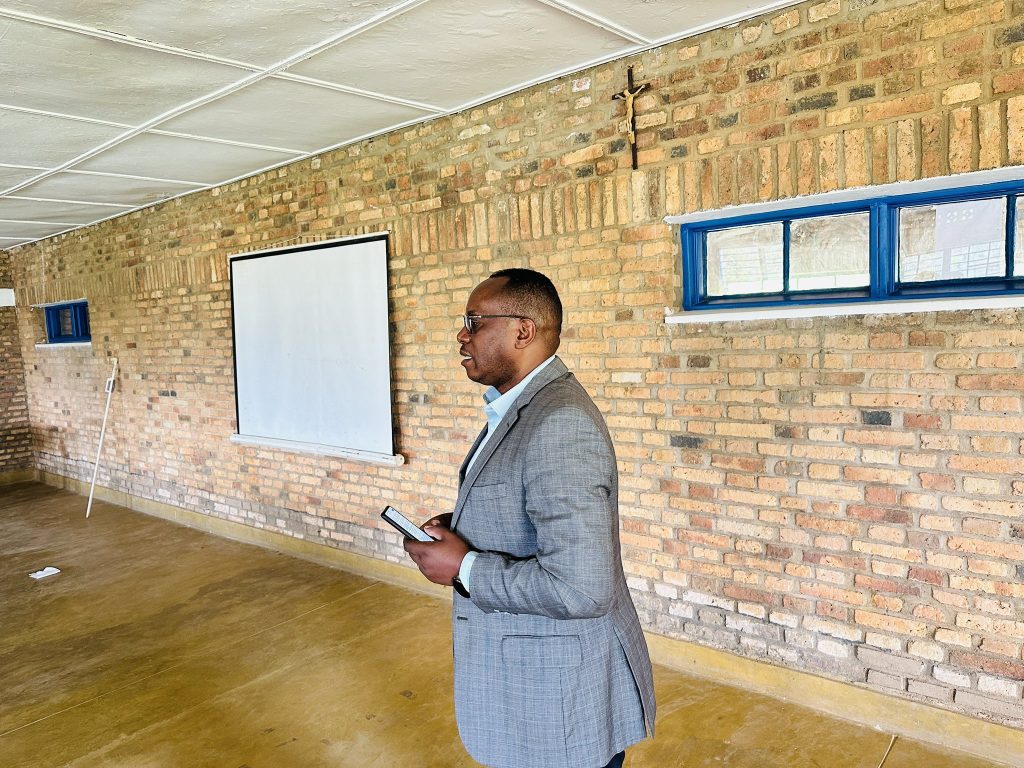
It was led by Théoneste Rugerinyange, the vice-mayor of Rulindo District in charge of economic development, who guided the discussion.
The project is carried out via the Rwanda Agriculture and Animal Resources Development Board (RAB), through its Single Project Implementation Unit, funded by the Global Agriculture and Food Security Program (GAFSP) via the World Bank Group’s International Development Association (IDA).
The Muyanza site covers roughly 2,550 hectares , including 1,100 hectares meant for irrigation. Of that space, 655 hectares are currently being irrigated, according to project information.
Farmers there cultivate maize, beans, Irish potatoes, vegetables, and fruit.
Project-reported figures indicate that Irish potato yields went from 12 tons per hectare in the 2024A agricultural season to 16 tons in the 2026B season. Maize yields went up too, from 3.1 to 3.4 tons per hectare, during the very same period.
These numbers suggest improvements in crop production, even if more details would still be needed to pin down how much of the rise was directly driven by the project.
SAIP II aims to increase agricultural production , tighten the links between farmers and markets, and strengthen food security overall.
Among its activities are farmer training, demonstration plots, irrigation support, market connections, plus steps intended to cut down post-harvest losses.
Five cooperatives DUKUNDUMURIMO, KORA UKIRE, KIMUYANZA, KOTEMURU and MUGREF took part in the knowledge-sharing exercises.
The meeting also served as a chance for members to talk through their experiences, point out hurdles, and look for ways to improve farming methods , and in the process strengthen agricultural value chains.
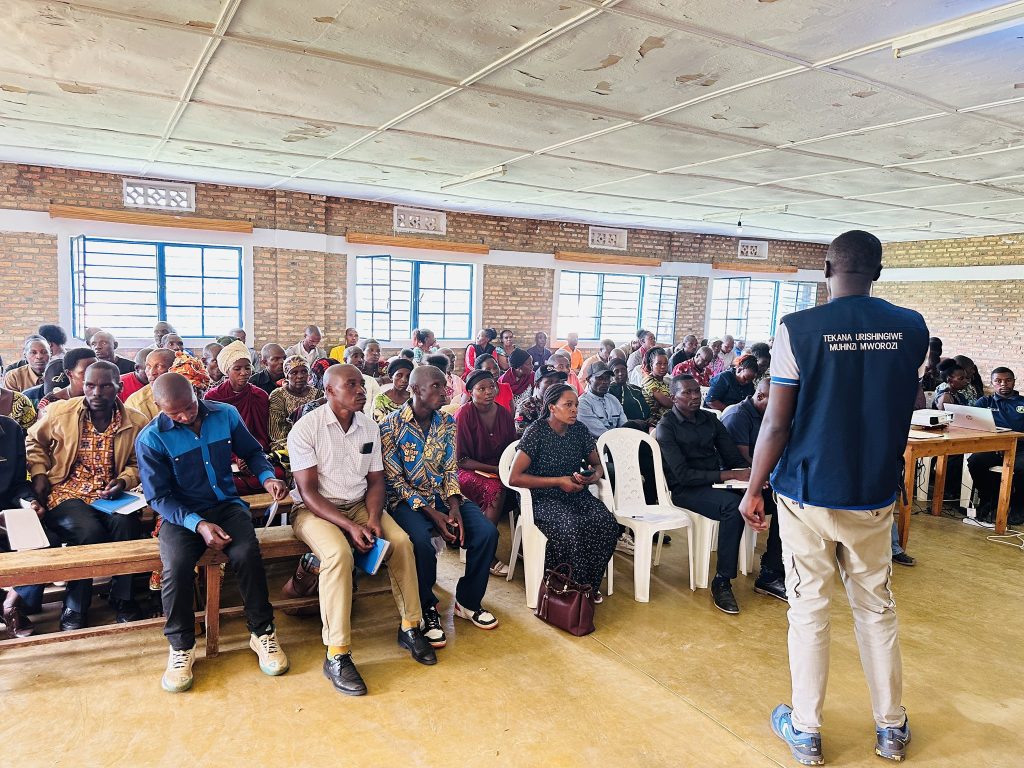
Learning from farmer-to-farmer can let producers trade real-life skills on crop management and irrigation, and it can also help with ways to reduce losses, and reach markets in a steadier way.
The project’s push for commercial farming likewise signals how important it is to assist farmers move beyond growing crops just for household consumption, and toward more dependable market chances.
SAIP II started its operations in December 2018, initially focusing on productivity gains in the Muyanza command area that was developed under the Land Husbandry, Water Harvesting and Hillside Irrigation project.
The initiative is meant to support farming systems that are both more productive and more commercially viable.
Still, improving farm output depends on things like access to inputs, water management, market prices, storage facilities , and whether farmers are able to sell their products for profit.
For farmers in Muyanza, this knowledge-sharing meeting offered a moment to reflect on progress, and to consider how current practices could be refined further.
The broader objective remains the building of stronger farming cooperatives, supporting rural livelihoods, and contributing to food security across Rwanda.