
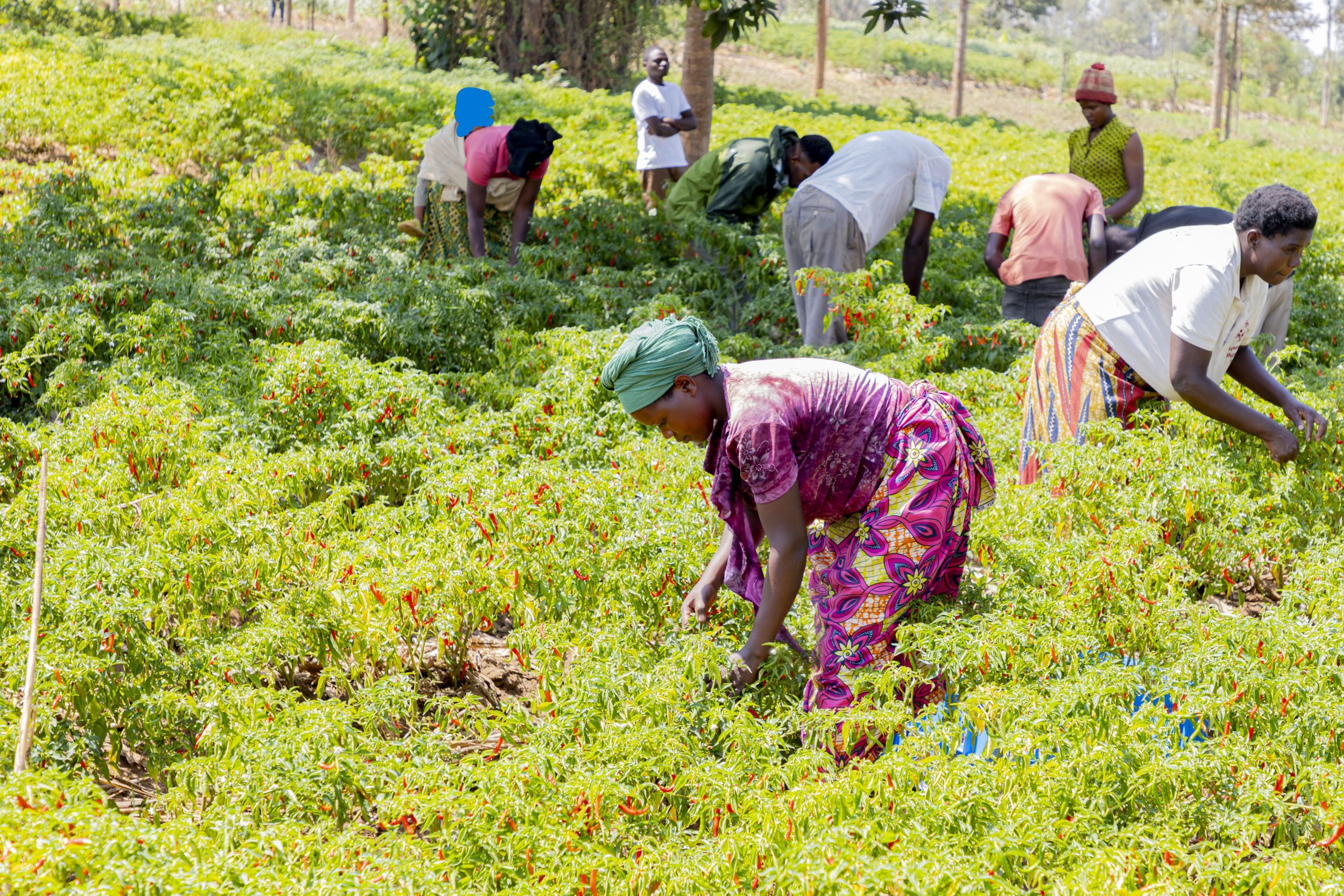
Farmers in Bugesera Dsitrict believe a transition from individual farming to cooperative production, supported by enhanced seed and market links, has transformed their yields and incomes in accordance with the country’s desire to commercialize agriculture.
In Mareba Sector, Bugesera District, members of the IZMGM cooperative have long been engaged in farming. However, for many years, their efforts did not consistently yield stable profits.
The cooperative, which brings together 470 farmers 282 women and 188 men cultivating a total area of approximately 210 hectares. Of this land, 40 hectares are dedicated to vegetables, including chili peppers, tomatoes, and French beans. Despite the large scale of cultivation, production was previously fragmented.
Before the recent changes, farmers worked individually. Each member chose their own crops and decided where to sell their harvest. Due to the lack of reliable markets and stable management, produce would sometimes go unsold or be sold at very low prices.
This situation began to change when the cooperative received support from the Commercialization and De-Risking for Agricultural Transformation (CDAT) project. NTABANGANYIMANA Beatha, the cooperative’s president, says that a significant transformation stemmed from working together.
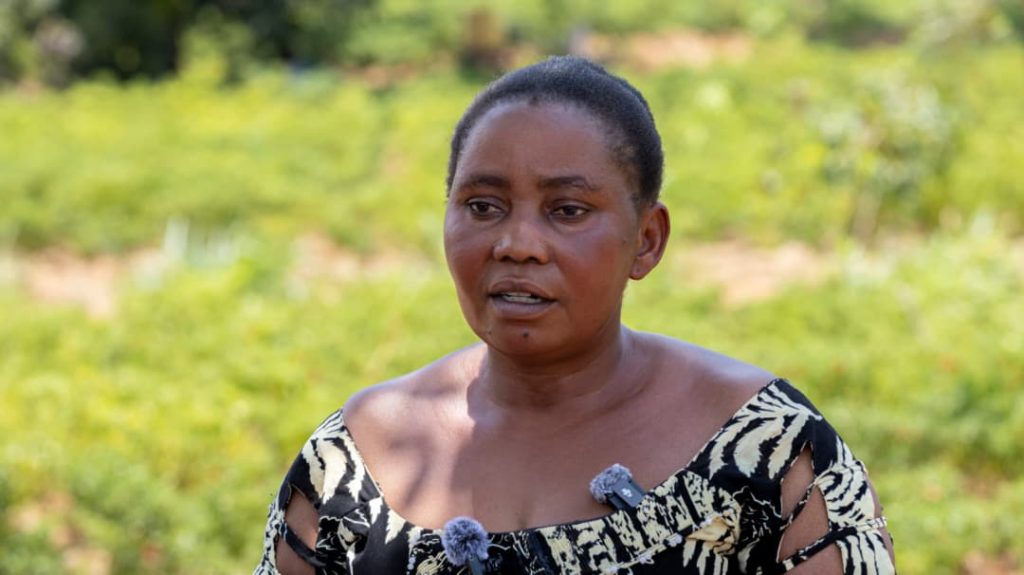
She says: “Previously, each member farmed individually. We had no way to aggregate our produce. After receiving training and support, we began working collaboratively, which enabled us to achieve higher yields and easily find buyers.”
This shift from individual farming to a cooperative model transformed the way the cooperative operates as well as the profits it generates.
According to NTABANGANYIMANA Beatha, the cooperative previously earned no more than 5 million Rwandan francs per season. Now, thanks to working and selling collectively, they report earnings of up to 32 million francs per season.
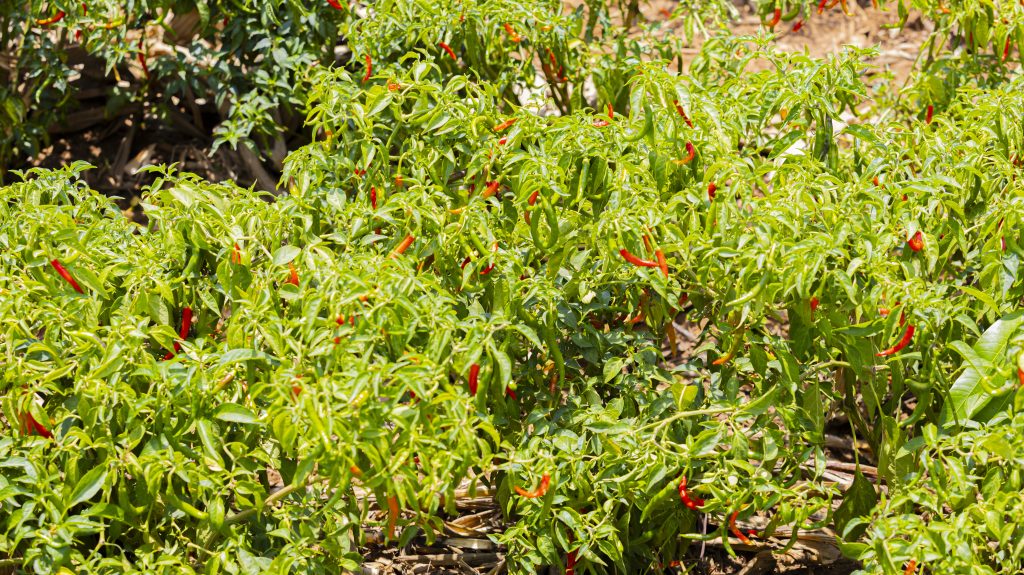
Samuel Nshimiyimana, who works for a company that purchases chili peppers from the cooperative, notes that the produce has become consistent and aligned with market demands.
He says: “In the past, they used seeds that were unsuited to the market and did not yield good results. Some farmers even used various seeds without knowing their quality. Now, they use reliable seeds that produce high-quality crops in demand on the market.” For individual farmers, visible changes are taking place in their fields.
Gilbert Ndaheranwa, a cooperative member, says that receiving training and quality seeds has helped him expand his farming operations.
He says: “I started by cultivating five Ares and harvesting about 50 kilograms. Now I cultivate twelve and harvest nearly 200 kilograms.”
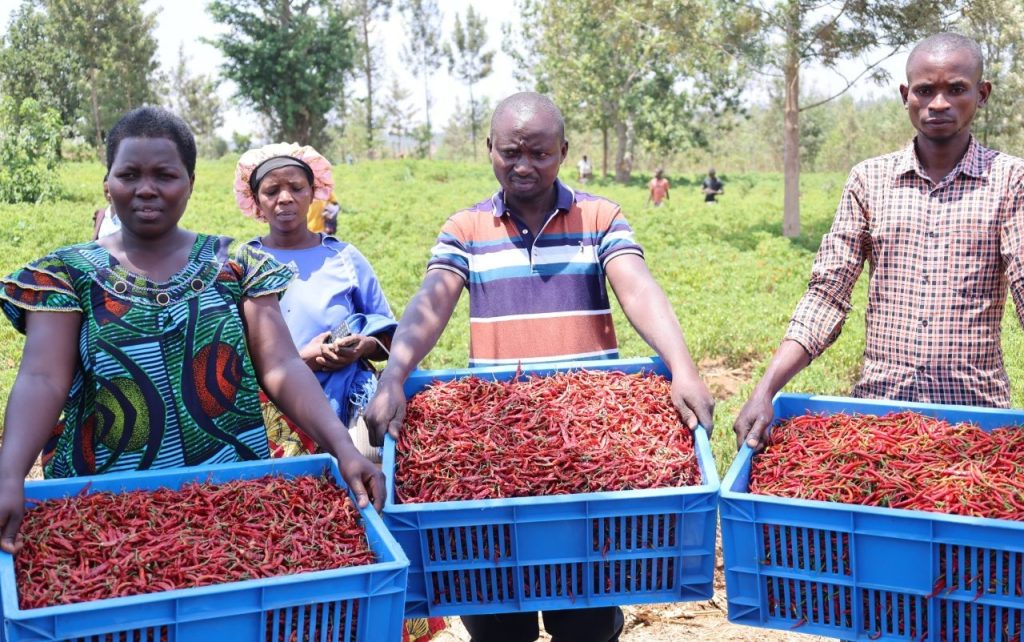
He explains that finding a market used to be a major challenge.
He says: “In the past, I would harvest crops but find no one to buy the produce. Sometimes I had to sell at a low price, or the produce would go to waste. Now I have a market and sell at a good price.”
The income generated from chili farming has also begun to help him with other household activities.
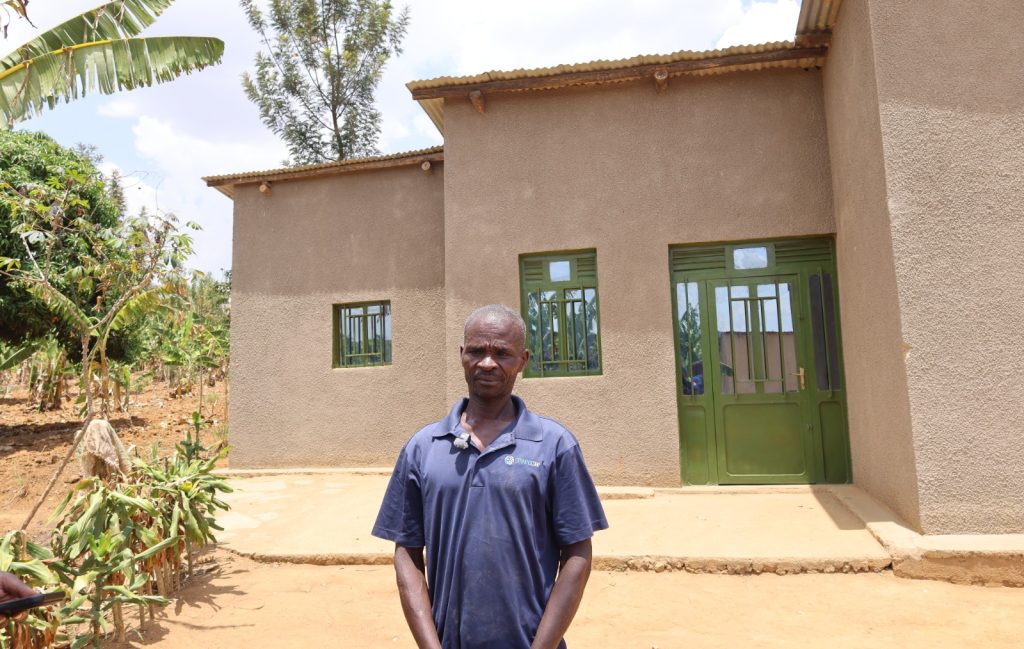
He says: “I have started raising livestock, including pigs, chickens, and goats. I have also renovated my house.”
The experience of IZMGM Cooperative demonstrates how collective farming, improved inputs and greater market links are changing smallholder agriculture into a more reliable source of income for rural communities.
Written By Jean Bernard MUKUNDENTE