
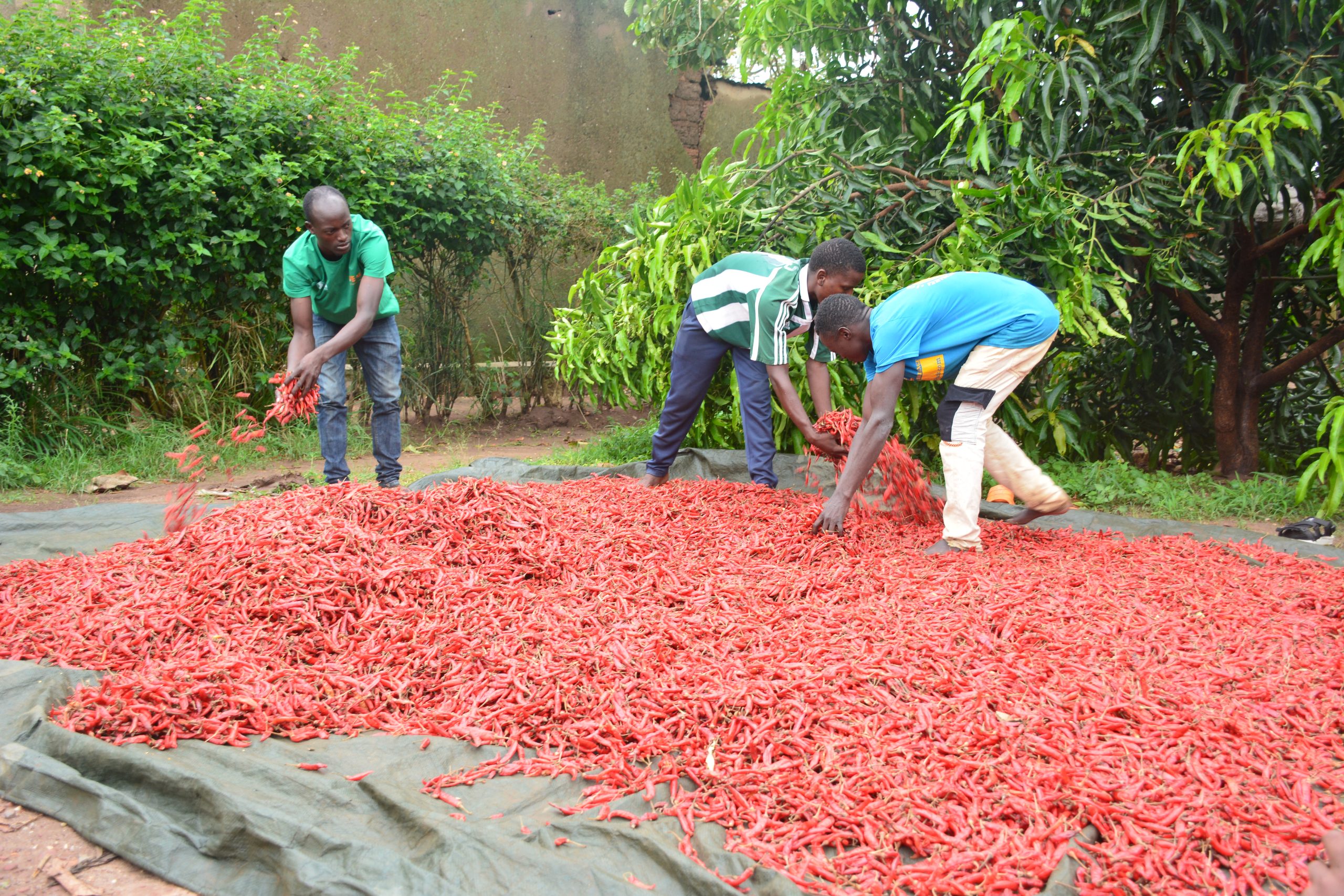
Matimba, Nyagatare, a youth farmer group in Matimba sector, Nyagatare District, Eastern province of Rwanda, says it has been noticing real improvements, in production and livelihoods, after they got training support under the Commercialization and De-risking for Agricultural Transformation (CDAT) programme.
The group, known as Terimbere Youth Kaboku , operates within Kaboku cooperative it has 40 members, 25 men, and 15 women. They have been growing chilli and green beans on one hectare, for about the past two years.
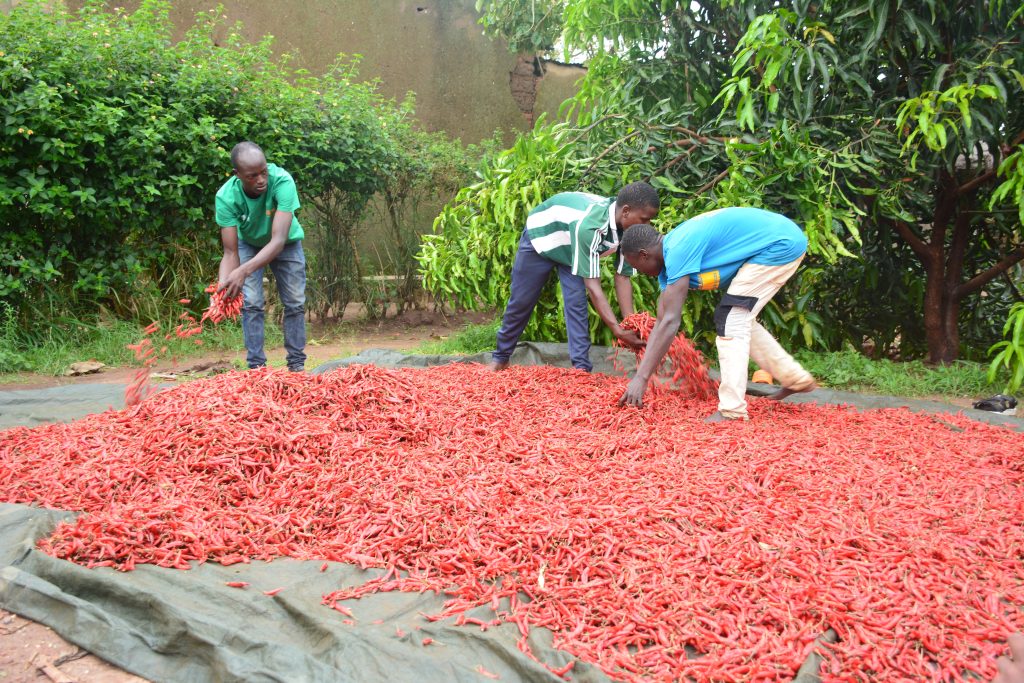
Their leader, Turanezerewe Fidele, says they started farming without sufficient technical skills.“We were farming, but not in a professional way. We used to harvest about seven tons of chilli per hectare,” he explains. After CDAT training, the group says production moved up, now they sit around 13 to 14 tons.
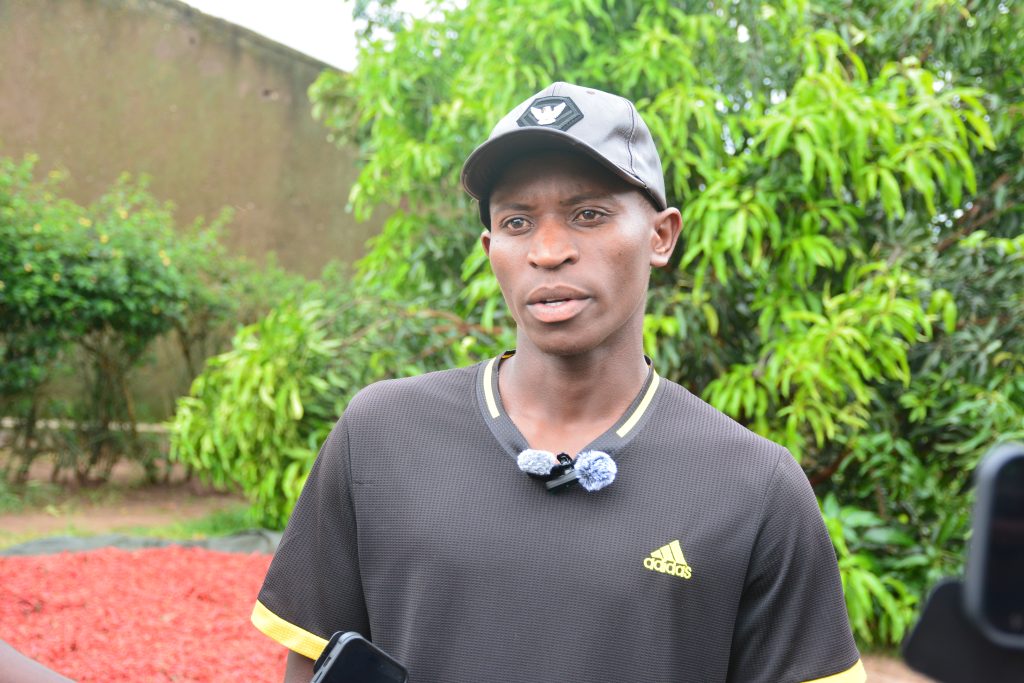
The group leader, Turanezerewe Fidele, say improved market access has also helped stabilize their income. They have a supply agreement with Fish Global, which buys chilli at 550 Rwandan francs per kilogram.
Fidele adds that earnings now improved, income per hectare went from around 5 million Rwandan francs to something between 7 and 8 million. He also says farming enabled him to build a house estimated at about 10 million francs, and he would not quit agriculture just to chase a salaried job, paying 300,000 francs every month.
Aside from that, he buys green beans from other farmers for 1200 francs per kilogram, then he sells them at Souk market for 1400 francs.
The group produces compost (organic fertiliser), made from crop residue for instance maize, beans, and the rest.
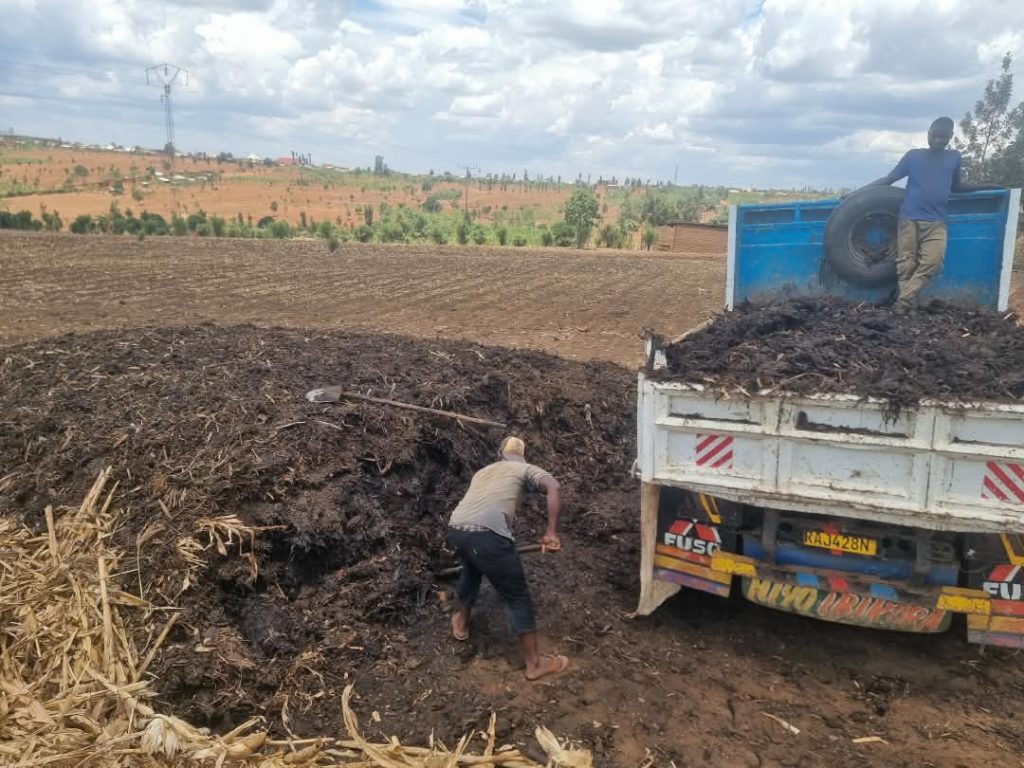
Emmanuel Uhiriwenimana says they initially struggled to create compost with good quality, but training helped them refine the way they do it. He says their compost was tested and it matched requirements, after which CDAT started buying it at 35 francs per kilogram. Recently they produced more than 552 tons, which they say is a big step for them.
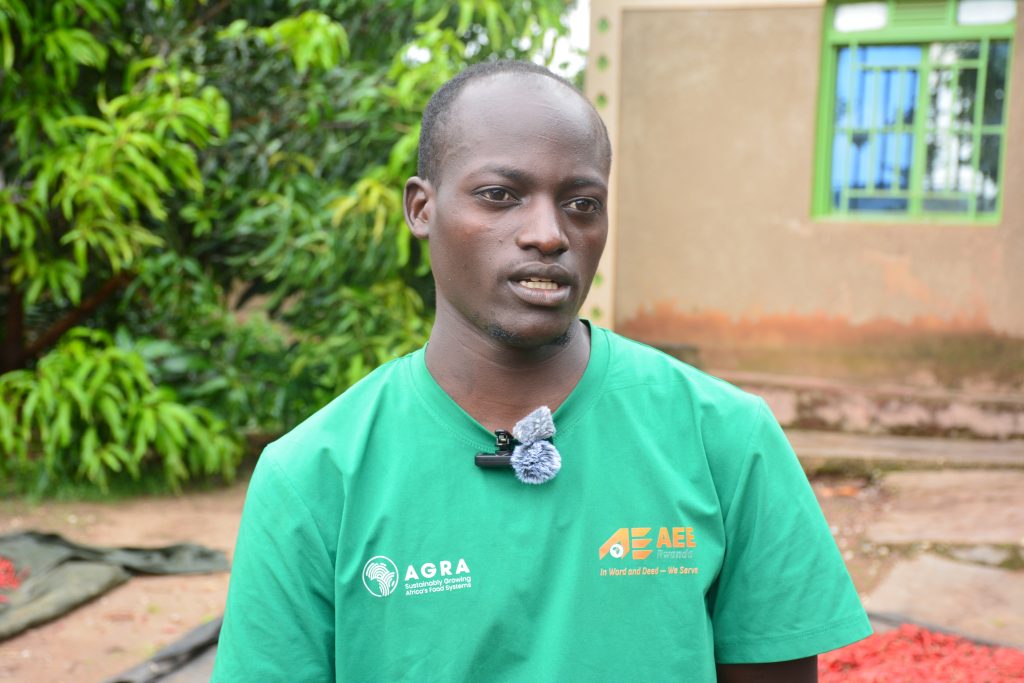
Emmanuel adds that he also spreads the compost on his own field, and that supports better yields.
Liberatha, another member, says farming income helped her launch a small food business, selling beans, and sweet potatoes too.
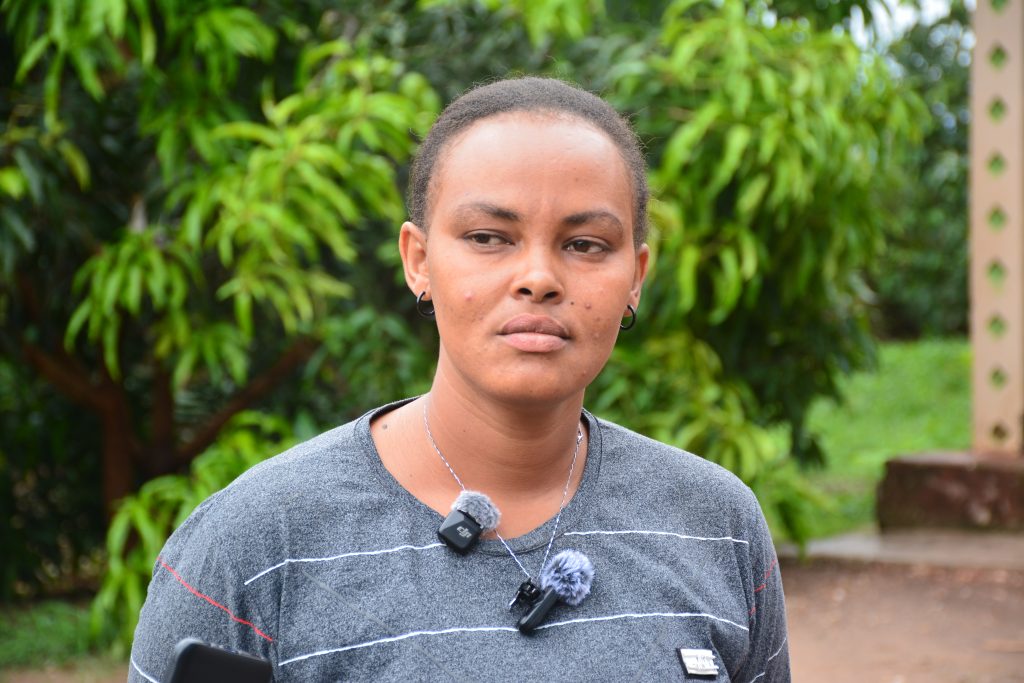
Muhoza Chantal, a horticulture specialist with RAB/SPIU under the CDAT project, states that agricultural productivity has steadily increased since the program's inception, a trend reflected in figures showing growth in cultivated land area.
She notes that across various cropping seasons from 2023 to 2025, there has been a rise in the yield of several crops. For chili peppers, production increased by 20.3% in Season A, 14.3% in Season B, and 66.7% in Season C.
Regarding French beans, production rose by 28.8% in Season A and 47.5% in Season B, while onion production increased by 13.8%.
She attributes this growth to training on modern farming techniques, soil erosion control, improved use of agricultural inputs, and better post-harvest handling practices.
Data also indicates an increase in produce exported to international markets. Ten cooperatives sold a total of 4,000 tonnes and 319 kilograms of chili peppers, generating approximately 2,159,500,000 Frw in revenue. A total of 3,294 tonnes of green beans were sold by 17 cooperatives, generating approximately 1,624,500,000 Frw in revenue.
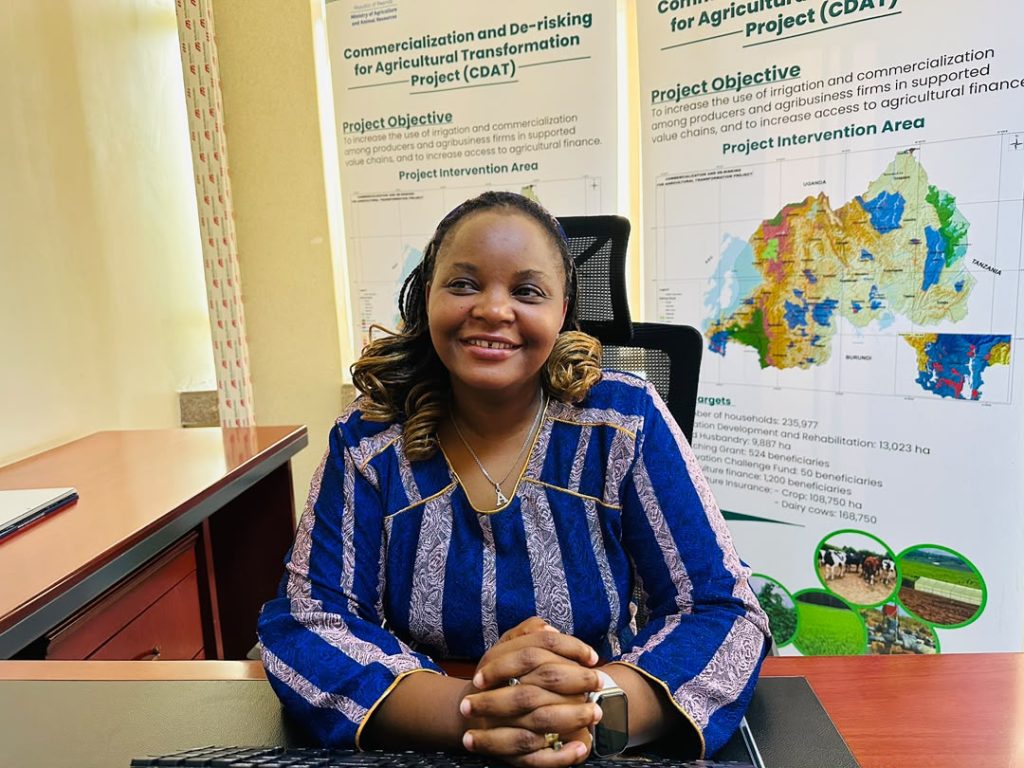
She also notes CDAT collaborates with 74 cooperatives across the country, and has supported increases in production of crops such as chilli and green beans in different seasons.
Members of the Kaboku youth group describe farming as becoming a potential means of earning a living rather than becoming only an alternative and cheaper way of getting money.
According to RAB website, CDAT programme overview, the government of Rwanda through the Ministry of Agriculture and Animal Resources (MINAGRI) launched the Commercialization and De-risking for Agricultural Transformation (CDAT) program in 2022 with the collaboration of the World Bank Group.
This five-year program has a budget of $300 million and aims at increasing agricultural commercialization, expanding irrigation infrastructure, and ensuring access to financing and insurance by the farmers.
Moreover, this program includes initiatives for infrastructure development, matching grants, and creating a youth innovation fund.
It is expected that about 235,977 households including women and youth will benefit from the project’s value chain and infrastructure development, 2,235 from agriculture finance, while 575,000 and 75,000 farmers will benefit from CDAT’s crop and livestock insurance respectively.
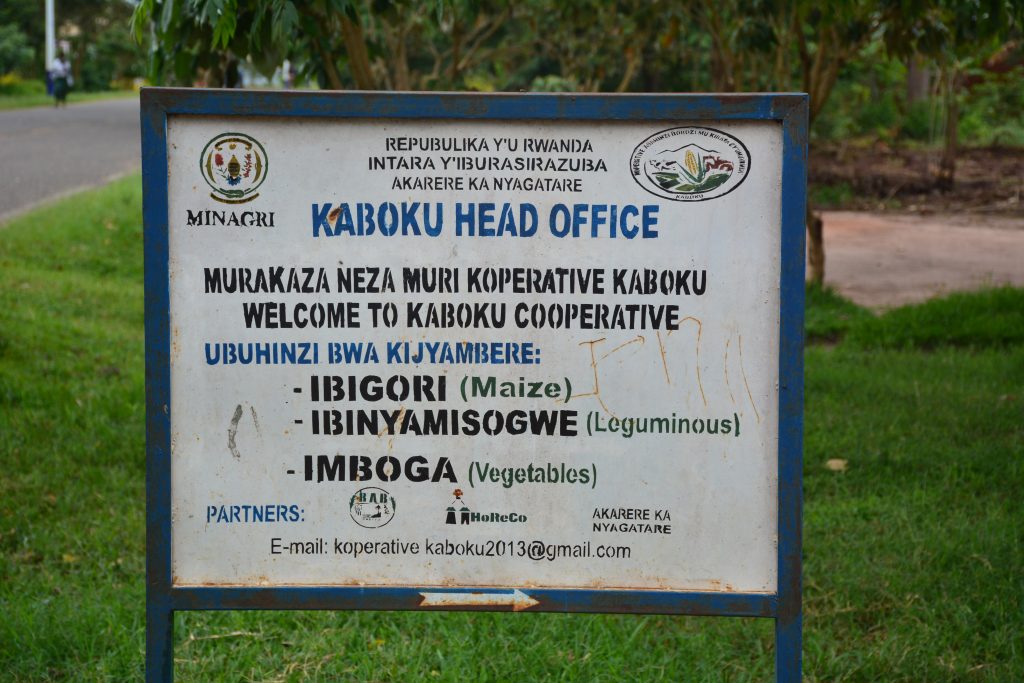
The 5-year project is being implemented in 37 sites located in 16 districts across the country, including Muhanga, Nyanza, Ruhango, Huye, Gisagara and Nyaruguru in Southern Province, Kayonza, Bugesera, Gatsibo, Nyagatare and Kirehe in Eastern Province, Rusizi and Nyamasheke in Western Province, Gicumbi in Northern Province, Gasabo and Kicukiro in the City of Kigali.
CDAT is funded by the World Bank Group via International Development Association (IDA) and it will be implemented by the Rwanda Agriculture and Animal Resources Development Board (RAB) and the Development Bank of Rwanda (BRD).
Written By Jean Bernard MUKUNDENTE