
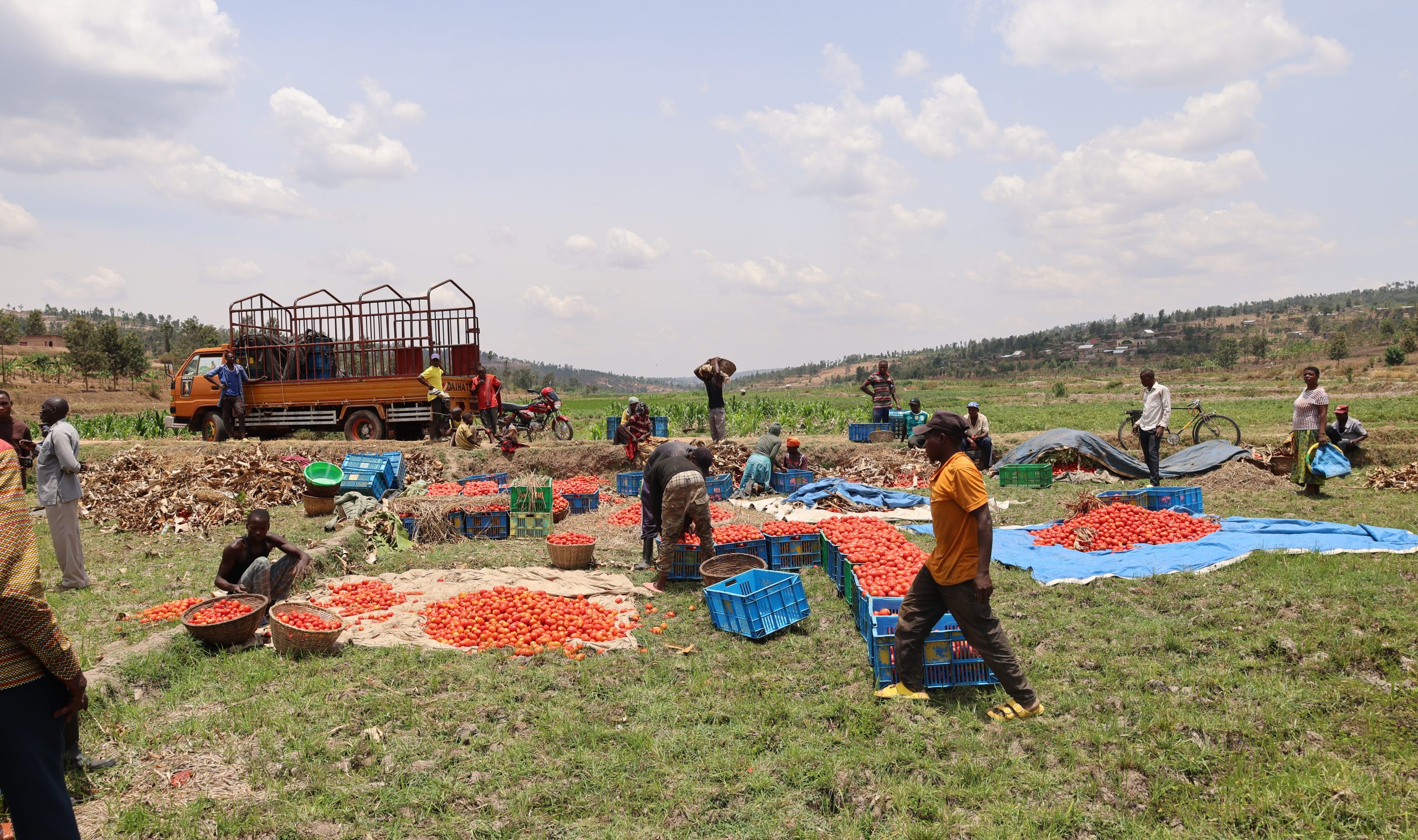
Kanyegenyege marshland, is located in the area separating Ruhango and Nyanza districts, tomato farmers say their farming practices are undergoing significant changes.
For members of the ABIYUNZE-KINAZI Cooperative, the transformation extends beyond merely increasing yields; it is also evident in their cultivation methods and how they bring their produce to market.
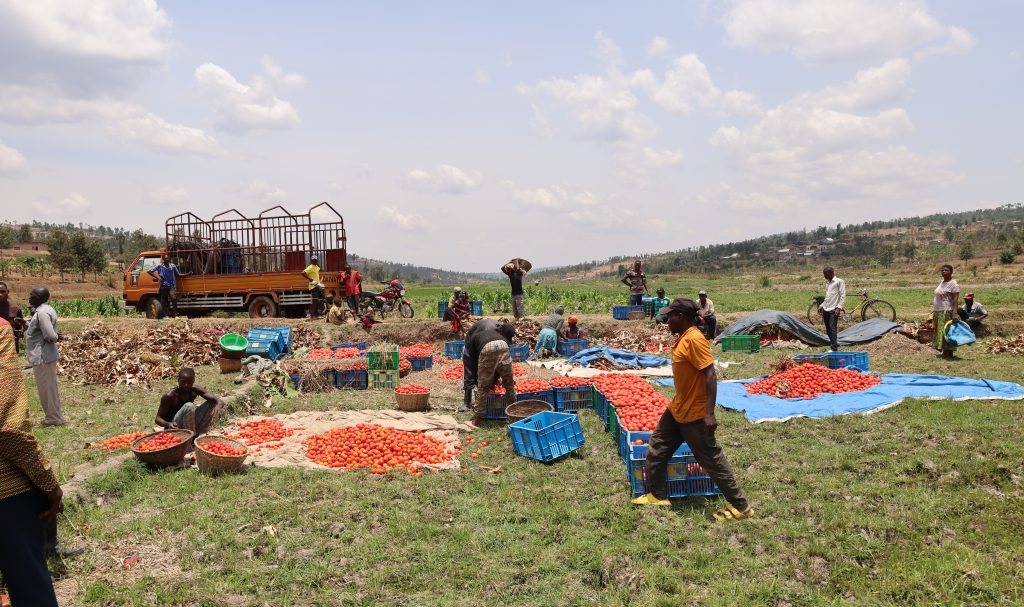
Based in Kinazi Sector, Ruhango District,southern province of Rwanda, the cooperative has 610 members, including 320 women, 290 men, and 80 youth. While tomatoes were already being grown in the area, the shift lies in the production and sales processes.
Cooperative President Boniface Bavakure notes that one of the major challenges they previously faced was the use of poor-quality seeds.
In the past, some farmers would use seeds extracted from their own harvested tomatoes for the subsequent planting season. Although this saved on seed purchasing costs, it resulted in lower yields.
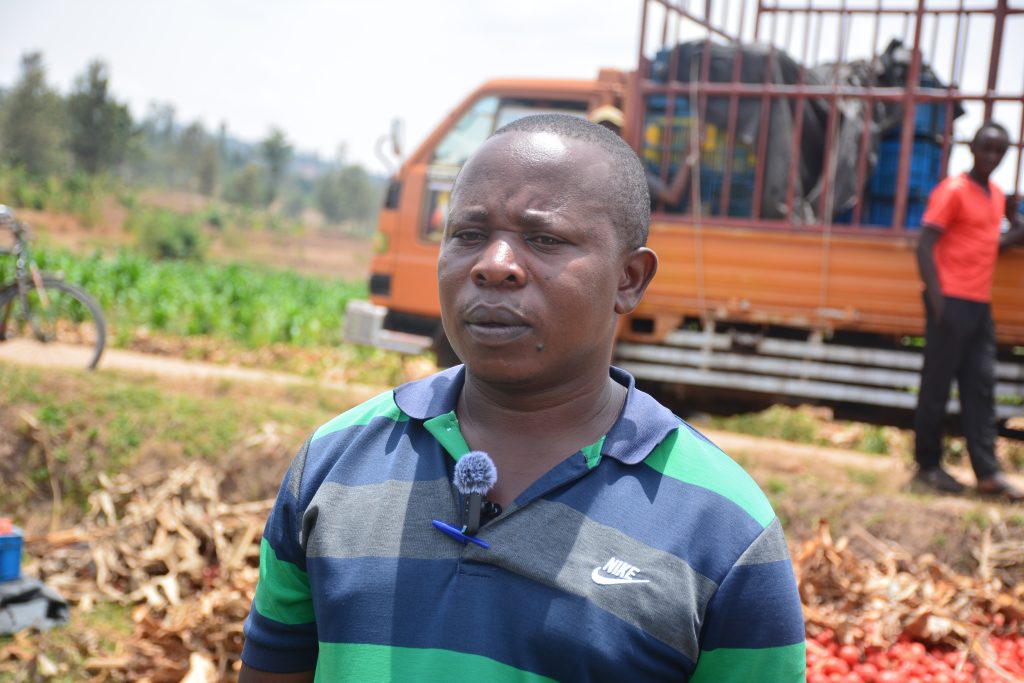
“Before working with CDAT, we could harvest around seven to eight tons per hectare. We were using poor-quality seed, and sometimes farmers would simply save seed from the tomatoes they had harvested and plant it again.”
He explains that through the Commercialization and De-risking for Agricultural Transformation (CDAT) project, they received high-quality seeds and training on improved farming practices. They now expect a yield of between 13 and 14 tons per hectare, up from the 7 or 8 tons they previously harvested.
However, increased yield is not the only thing that has transformed their farming.
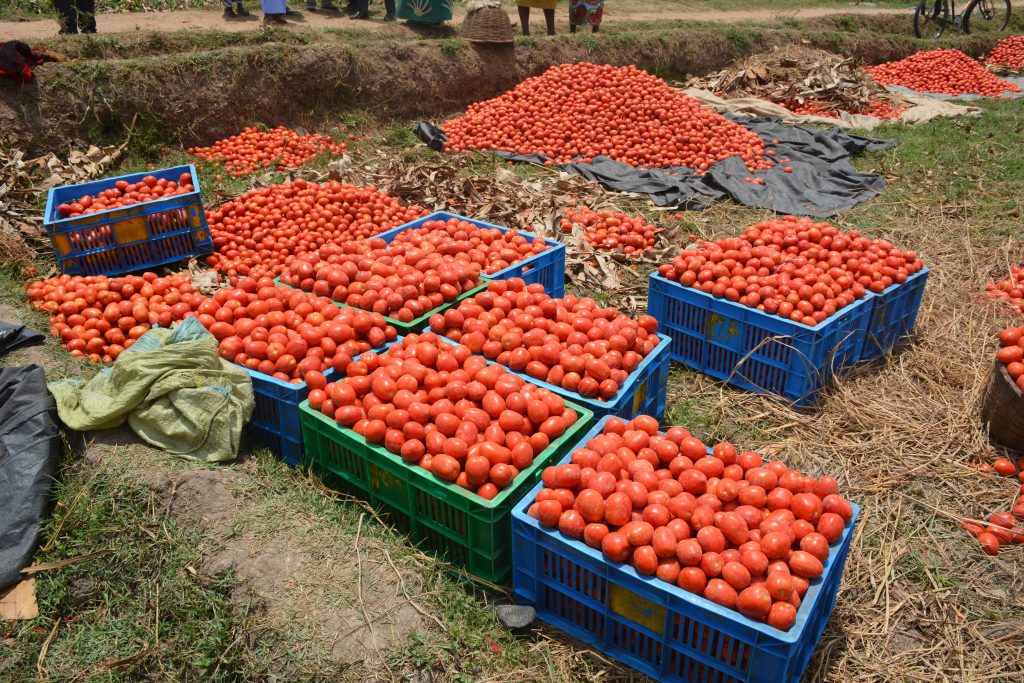
Tomatoes are highly perishable; harvesting large quantities without a guaranteed buyer can lead to significant losses. In the past, farmers would harvest first and then look for buyers, often resulting in low selling prices or the loss of a portion of their produce.
Now, however, things have changed. Buyers are connected with farmers in advance, so when harvest time arrives, they collect the produce directly from the farm.
This reduces transportation costs and minimizes losses caused by tomato spoilage.
Mathias Karengera, a farmer who cultivates tomatoes on a 20-are plot, notes that they previously relied solely on their own limited resources, and the seeds they used did not yield sufficient produce.
He says that high-quality seeds now enable them to achieve good yields that meet market standards.
He also mentions that securing a market for their produce has made a significant difference.
"We have found a place to sell our produce," he says, explaining that they no longer need to scramble for buyers at the last minute, and prices have improved.
Antoinette Mukandayisabye, a tomato trader based in Kigali, says she began purchasing tomatoes from these farmers this season.She notes a clear difference compared to the produce they sold previously.
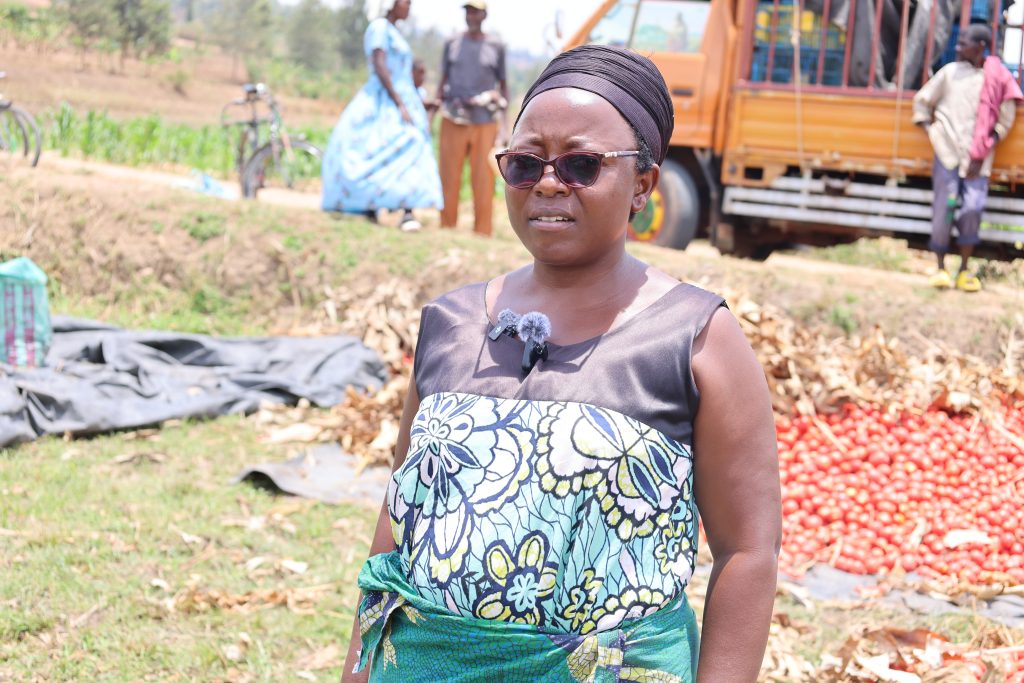
“The produce we are buying now differs from what we used to buy; the seeds they currently use are excellent, which has improved the quality of the tomatoes.”
Félicité Musabese, a farmer who grows tomatoes and rice on a 7.5-acre plot, says her yields were previously unsatisfactory.
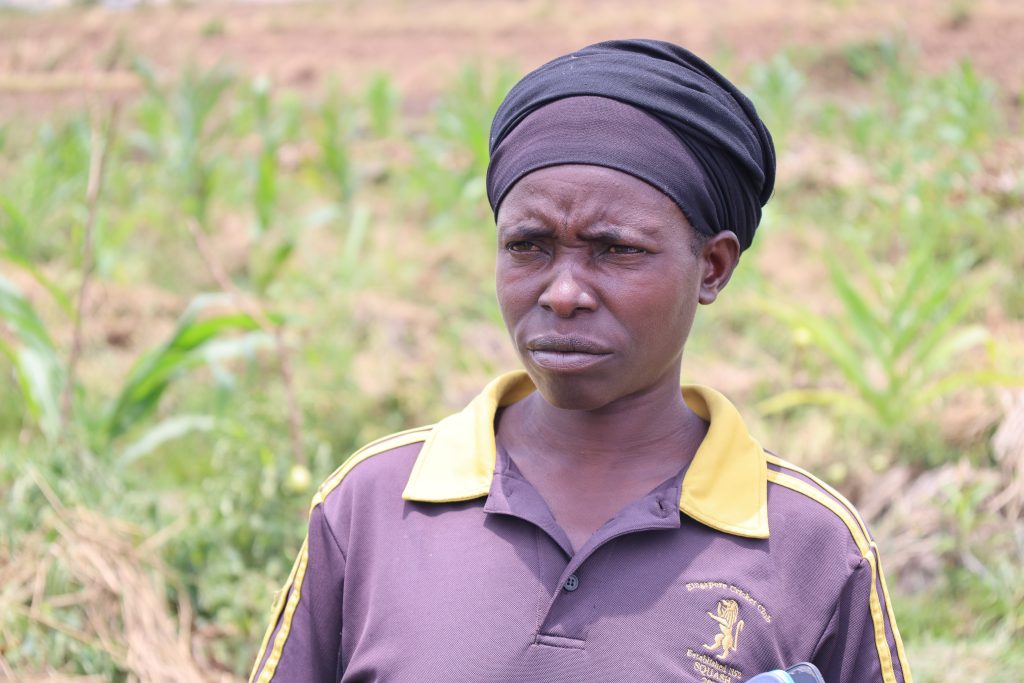
Before partnering with CDAT, she used to earn around 40,000 Rwandan Francs from her harvest. Now, from the first harvest of this season alone, she has earned nearly 100,000 Francs.
She says the income enabled her to buy a pig, and she looks forward to selling more produce, as buyers come directly to the farm to collect it.
The National Strategy for Transformation (NST2) of Rwanda for the years 2024-2029 puts emphasis on bettering food production, with efforts behind transforming agriculture from subsistence to a market-focused commercial approach. The progress seen in Kanyegenyege is in line with the overarching goal of the nation in increasing productivity, improving market accessibility, and increasing farmers’ earnings.
At the national level, figures indicate that tomato production is on the rise. Muhoza Chantal, a horticulture specialist with RAB/SPIU under the CDAT project, notes that tomato yields reached 21.5 tons per hectare during the 2026 Season B, up from 14.9 tons in Season A. This represents an increase of 6.6 tons per hectare, or a 44.3% rise.
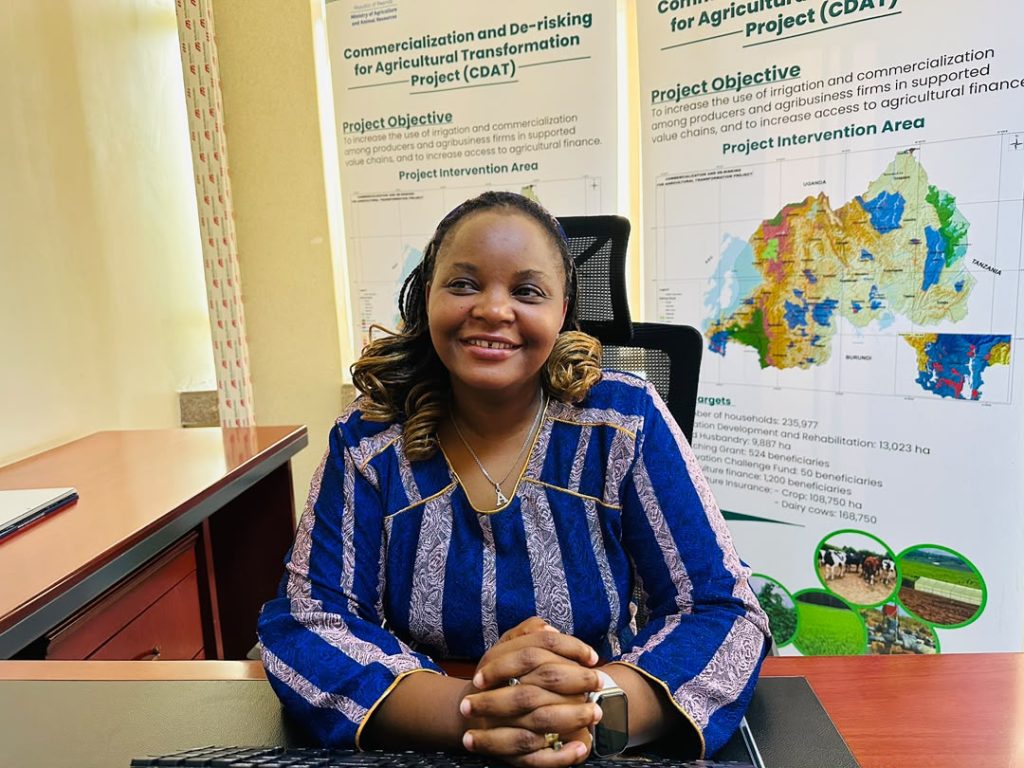
She points out that while these figures differ from those of individual farmers, they demonstrate the value of using quality seeds, receiving training, and employing good farm management practices.
The cooperative’s president mentions that they are taking further steps toward self-reliance in anticipation of a future reduction in CDAT support.
He explains that they have established a savings group where members pool funds and lend to one another, helping them secure working capital to sustain their operations.
Additionally, the cooperative owns commercial properties including a rental building in Ruhango town which generate supplementary income to support their activities.
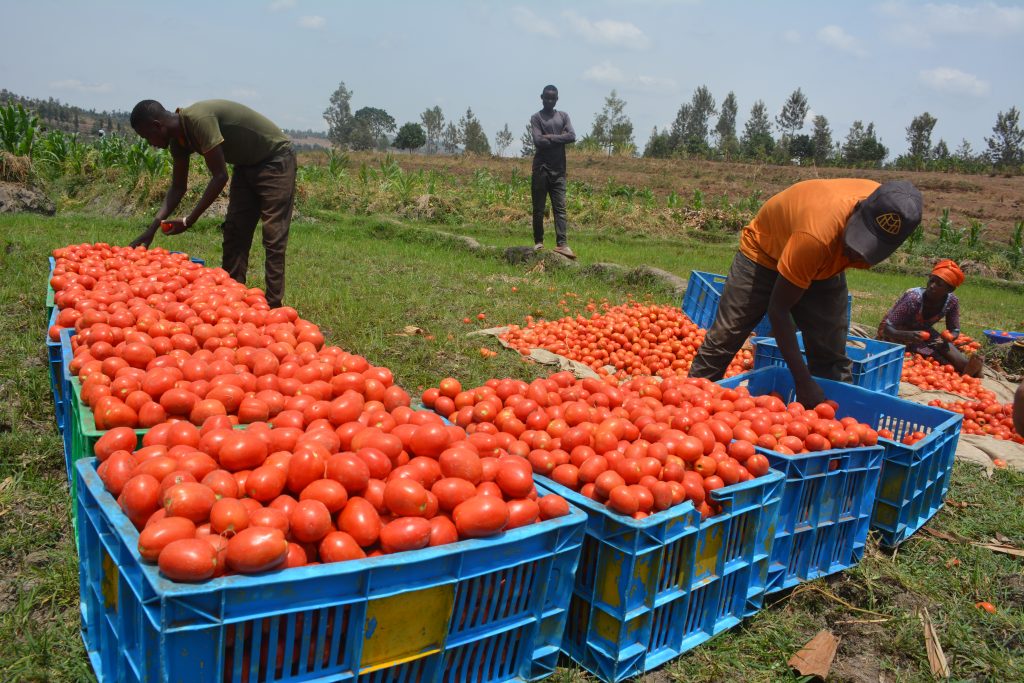
They are also currently considering purchasing a vehicle to transport their produce to markets, aiming to further reduce the challenges associated with getting their goods to consumers. In general, the CDAT program aims to integrate all segments of the agricultural value chain: knowledge, inputs, and markets.
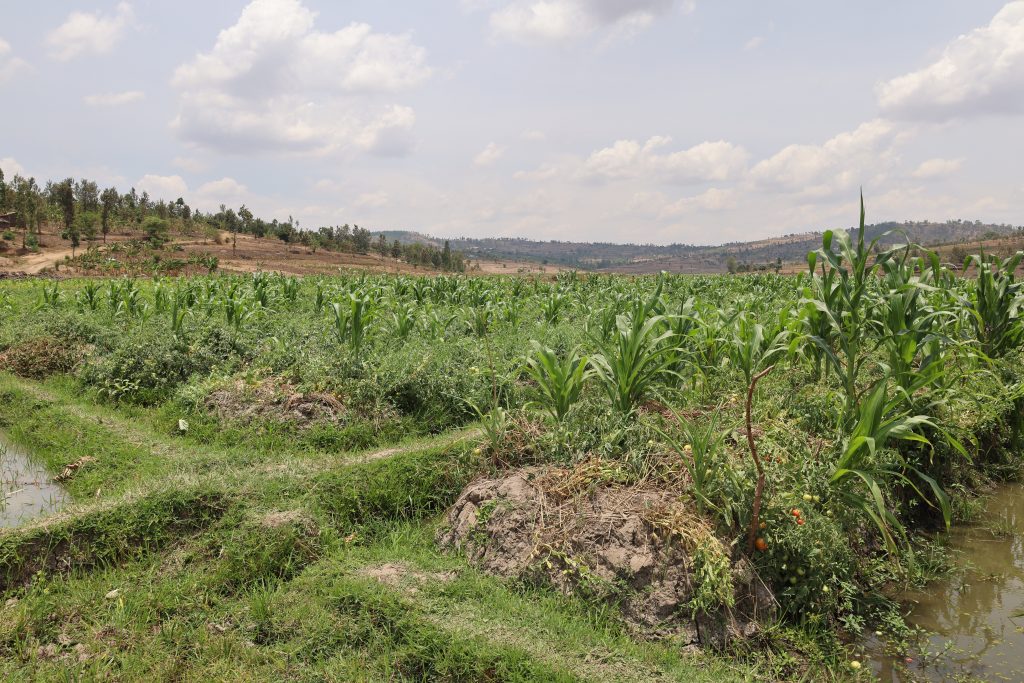
For members of the ABIYUNZE-KINAZI Cooperative, this is beginning to yield tangible results: quality seeds in the soil, farming expertise, increased yields, and buyers ready to purchase their produce.
Written by Jean Bernard MUKUNDENTE