
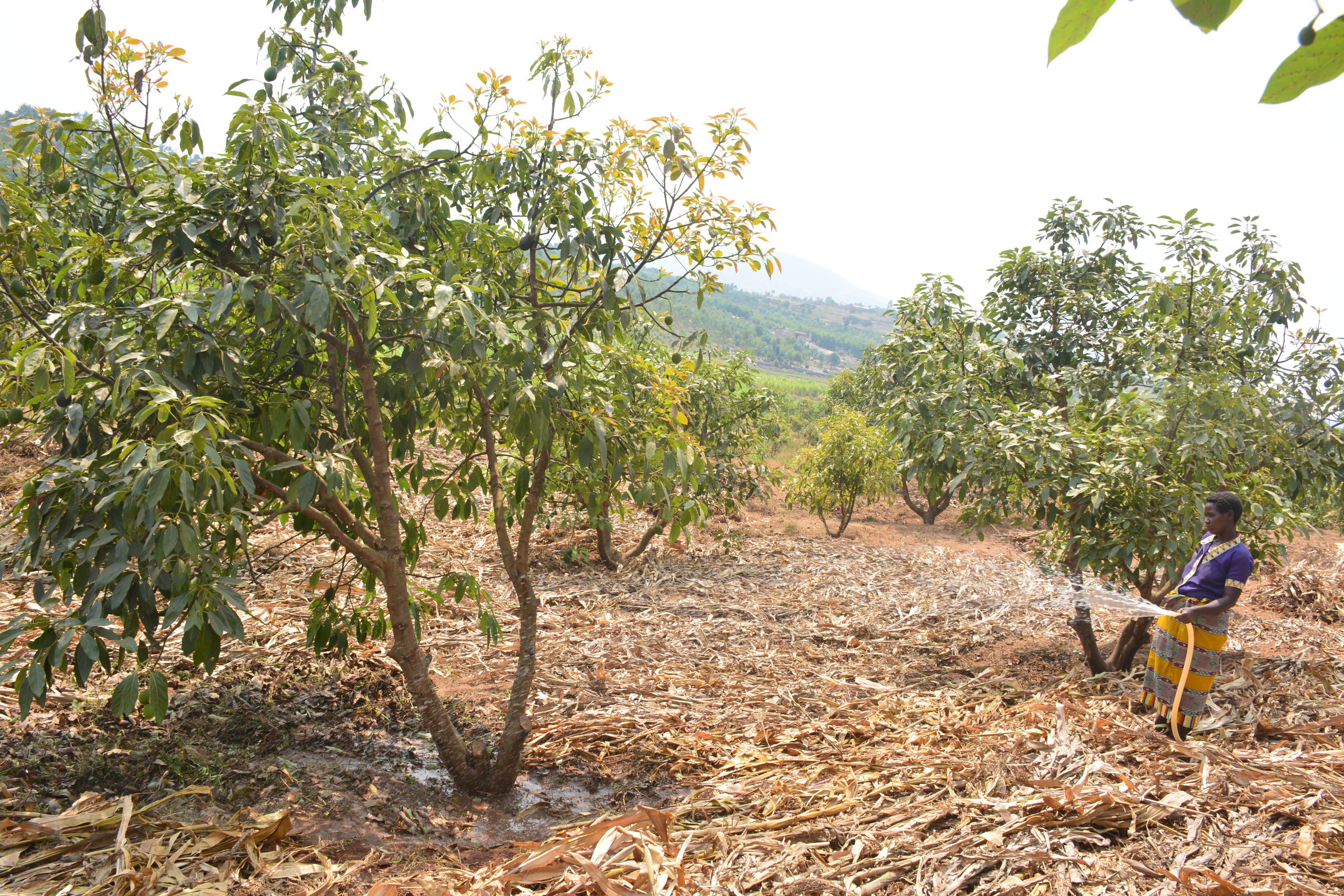
In Mwima Cell, Rwesero, Busasamana Sector in Nyanza District, Farmer Kayihura Claver manages a 7.5-hectare avocado plantation with 2,006 trees. The orchard was planted in phases, starting with a first batch of 800 trees that have now reached production, while the remaining trees are still growing.
For years, getting enough water during dry seasons was the farm’s biggest challenge. In the past, the farm relied on traditional watering methods, fetching water from the valley in jerrycans and carrying it to each tree.
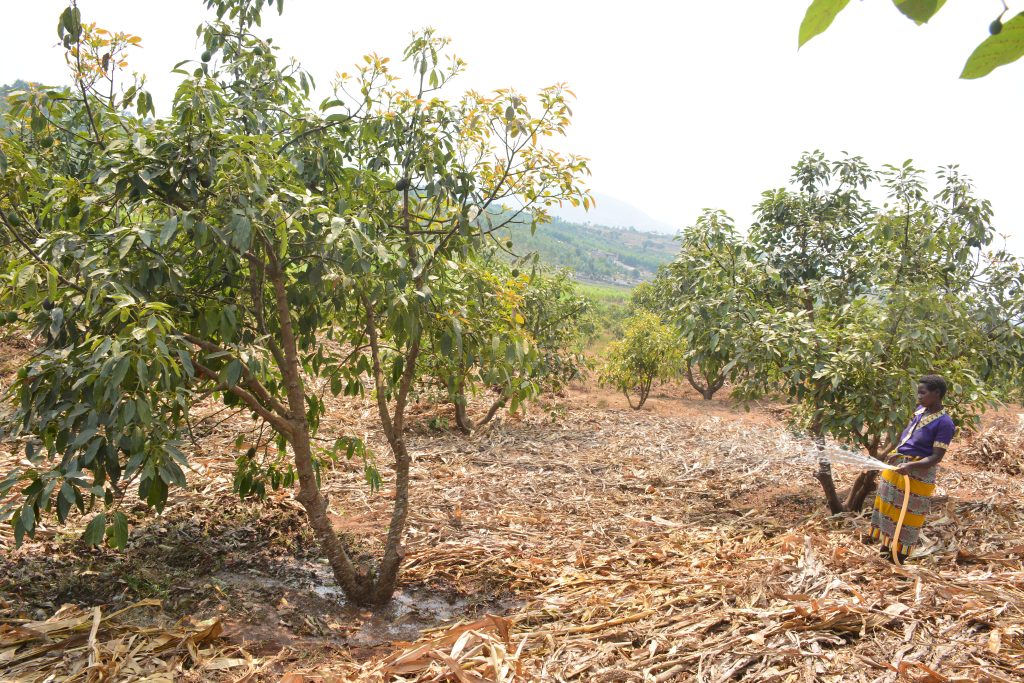
"It was difficult to find enough labor to transport water for all 2,006 trees," says Mugwaneza Landouard, the farm's agronomist. "Sometimes a tree could go a whole week without getting water."
Without adequate moisture, young trees dried out, and setting up a modern irrigation system was initially beyond the farm's financial reach.
The situation changed when the farm received support from the Sustainable Agricultural Intensification and Food Security Project (SAIP), implemented by the Rwanda Agriculture and Animal Resources Development Board (RAB).
Through a cost-sharing scheme, SAIPII provided 75% of the funding worth 49.6 million Rwandan Francs to purchase irrigation equipment. The farm contributed the remaining 25%, amounting to 17 million RWF.
Under the new system, water pipes and taps are installed every 50 meters across the 7.5-hectare farm. Workers can easily connect hoses to water every single tree, ensuring consistent moisture across the entire orchard.
"Now, workers can easily move across all 7.5 hectares so every single tree gets enough water," Mugwaneza explains. "No trees dry out anymore, and production has increased."
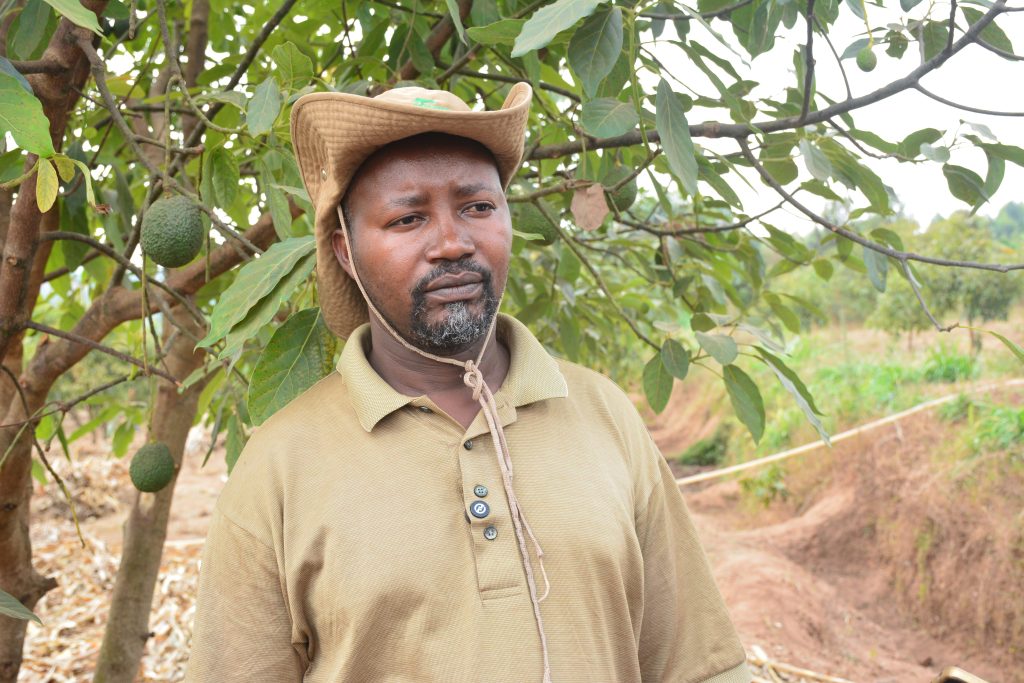
The steady water supply has helped save trees and increased avocado production. During the first harvest before modern irrigation, when trees were just starting to produce, the farm sold only 600 kilograms of avocados. Today, with the 800 mature trees in their second harvest season, total annual production has reached 4 metric tons.
"If an avocado tree gets the right amount of water, it produces much more compared to a tree that is not watered," Mugwaneza says.
The farm supplies its harvest to multiple markets, selling 2 tons to Garden Fresh and distributing the remaining 2 tons to its own grocery stores (alimentations) in Kigali.
The expansion has also created local jobs.
The farm employs 5 permanent staff year-round. Depending on the season and tasks required such as irrigation and field clearing casual labor fluctuates, currently standing at 26 workers and reaching up to 100 people during peak periods.
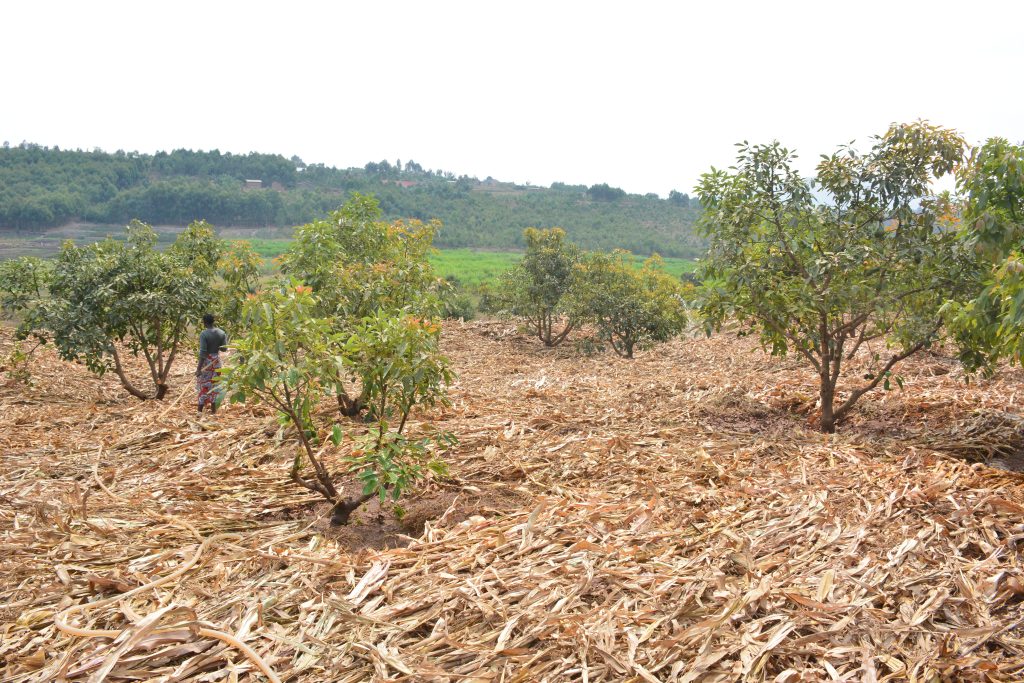
The progress at Claver’s farm reflects Rwanda’s broader efforts to promote climate-resilient agriculture under the National Strategy for Transformation (NST2 2024–2029).
The strategy aims to develop modern, productive, and climate-smart agri-food systems while increasing agricultural growth. One of its key targets is expanding irrigated farmland from 71,000 hectares to more than 130,000 hectares.
Written By Jean Bernard MUKUNDENTE