
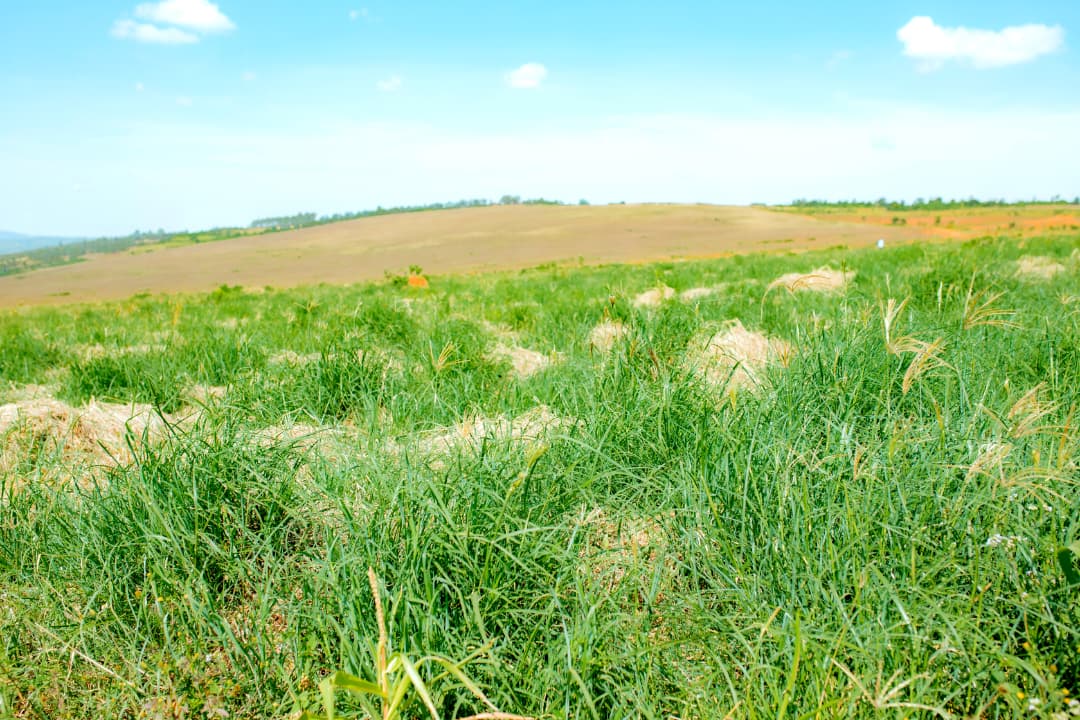
In Eastern Rwanda, Kayonza District, where dairy farming is slowly expanding and getting more serious day by day, a youth-driven activity is, in a low-key way, changing how livestock feeding works, turning fodder production into a fast business that brings in millions of francs and hundreds of rural roles.
In Nyawera, Kayonza District, the Powers of Youth in Agriculture Modernization (PYAM), a company supported under the Rwanda Dairy Development Project Phase II (RDDP2), is becoming a notable answer to one of the region’s most stubborn problems: getting dependable, good livestock feed when it is needed.
The venture, created by a group of young entrepreneurs, started with a clear idea to provide improved forage, while also forming something that can actually run as a commercial operation around dairy feed production and sale.
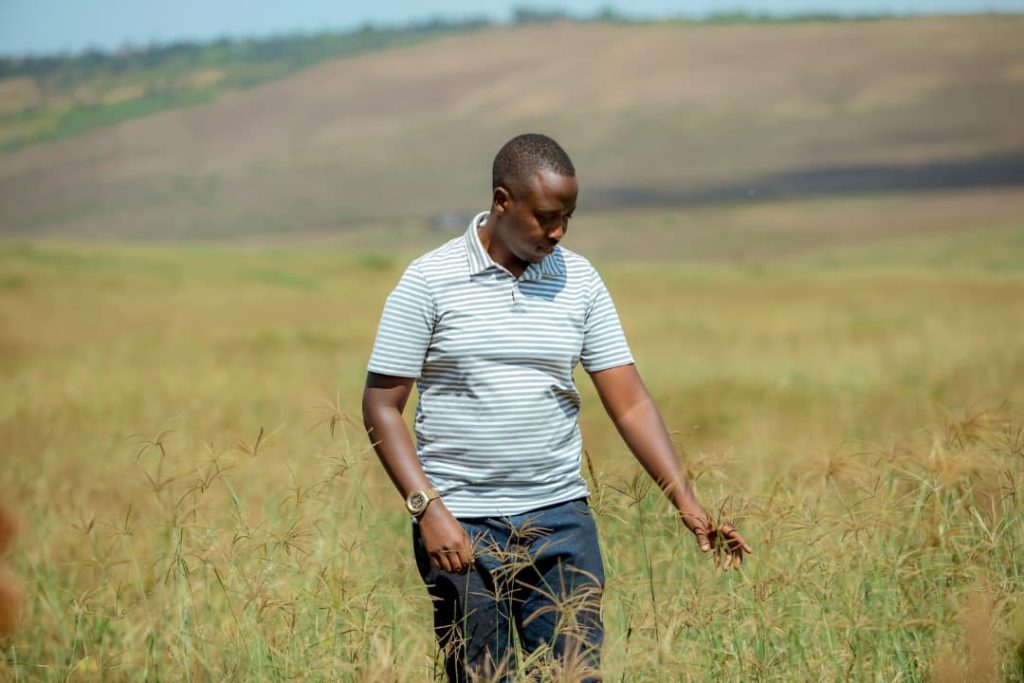
“Our goal is to respond to the growing demand for quality fodder, and help farmers get more milk production by making feed more reachable and affordable,” said Eric Murenzi, speaking for the company.
Launched in April 2026, the enterprise has expanded quite fast. Right now, operations cover 51 hectares of planted land where improved forage types Chloris gayana, Black Yalis, Mucuna, and Desmodium are cultivated for both hay production and for seed multiplication.
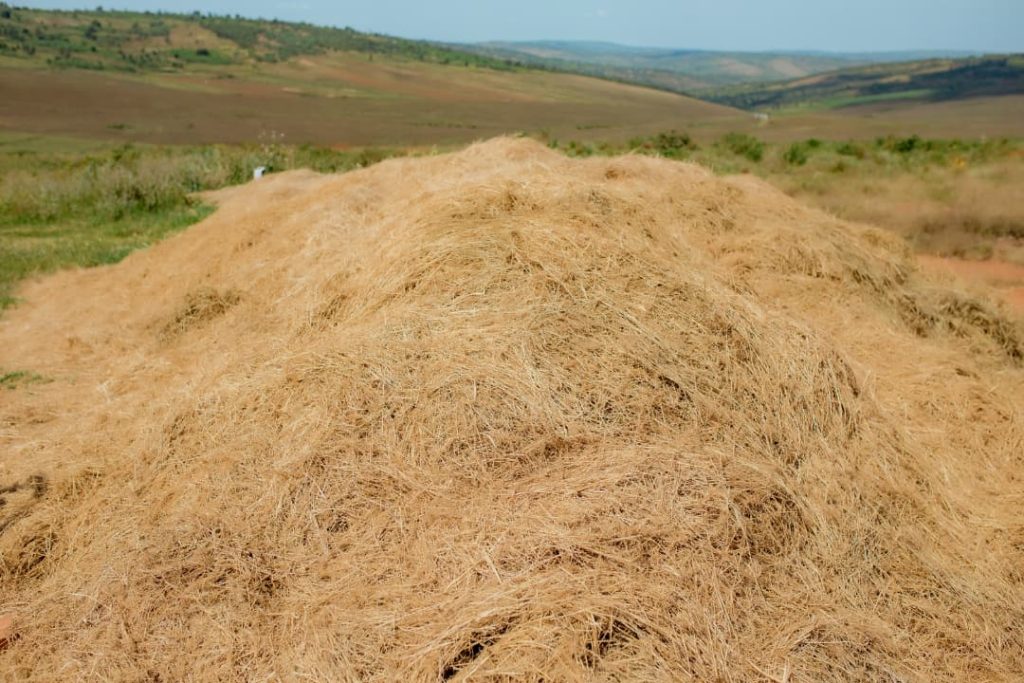
The first production cycle showed encouraging outcomes. PYAM produced around 8,000 bales of fodder, and each bale was sold at Rwf 2,000, which came to roughly Rwf 16 million in revenue within months of starting.
But beyond hay, seed production is becoming another strong income channel. For Chloris gayana alone, the company is estimating about four tonnes of seed, with an expected extra Rwf 20 million once the seed is commercialized.
These numbers don’t only show early sales strength, they also point to a bigger change in how demand is shaping, mainly because Rwanda’s dairy sector is modernizing. When farmers start using improved feeding routines and higher-yielding cattle under RDDP2, the need for steady, nutrient-rich fodder keeps climbing.
The benefits spill beyond the farm gates. During busy times, PYAM puts to work more than 300 staff per day across planting, harvesting, and logistics tasks, with projections saying this could pass 500 as production scales up.
For many young people around here, the enterprise is basically a new doorway into agribusiness one that mixes income with hands-on learning and practical skills.
Murenzi says the early momentum came from the combined support delivered under RDDP2, including seed funding, technical instruction, and follow-up visits on the ground.
“The support we received was decisive. It helped us to begin, build our ability, and move forward with a clear path,” he said.
As PYAM grows, it is positioning itself not only as a fodder seller, but also as part of a wider value network that helps dairy farmers improve output, and cut feed-related challenges.
To the founders, and to other young people looking on, the message is straightforward: agriculture, when treated like a business, can bring real results.
“We already got millions from our first season, and more is expected from seed sales. This confirms that fodder production is not just farming it is a business opening,” Murenzi added.
In Kayonza, that opportunity is already taking root, one hectare, one bale, and one job at a time.