
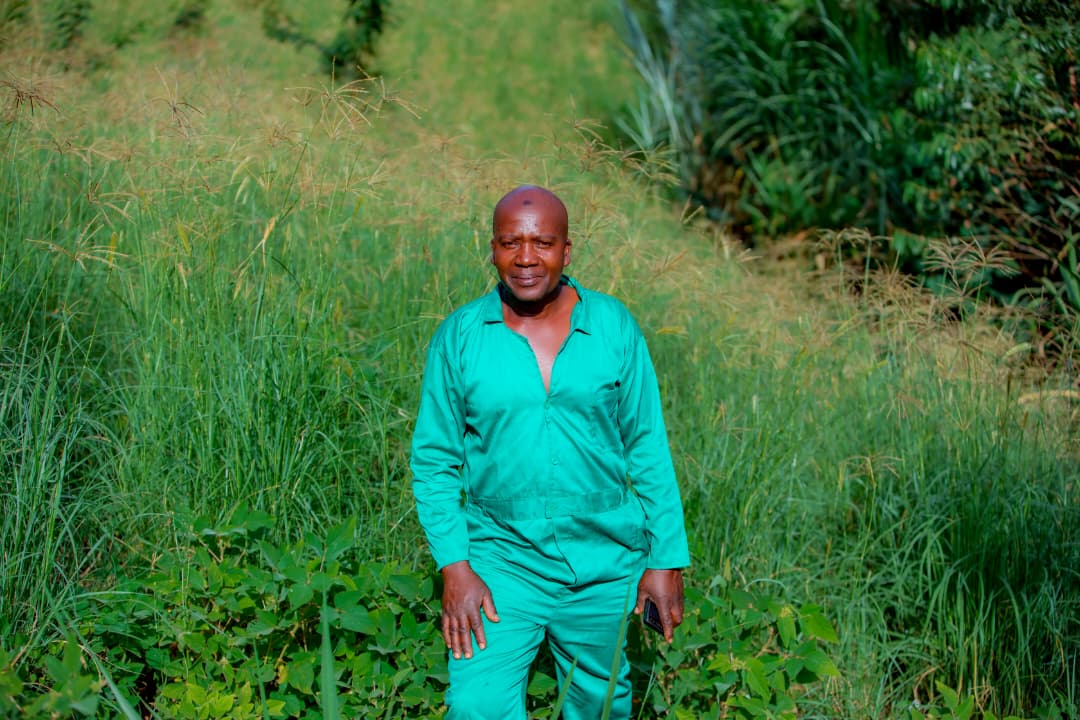
Gatsibo District,In Rwanda’s Eastern Province, where dry seasons used to decide everything for livestock keepers, dairy producers are slowly moving past the limitations that once felt kind of unavoidable.
In places like Gatsibo, farmers are pushing milk output higher, sorting out animal wellbeing, and opening up extra income routes, by relying on better feed setups and more deliberate farm management less guessing, more planning.
For Ismael Ngendahayo, a dairy farmer based in Bushenyi Village, Kiramuruzi Sector, the shift is easy to notice even without being close. What used to be a small farm that barely held together is now sitting on two hectares of improved forage crops, you can see it right away.
“Before, our cows faced hunger, especially during dry seasons. Milk production was very low,” he says.
Back then, his animals were giving only around two litres of milk each day. And like many others in the area, he would mainly use what was available, which often meant the livestock stayed underfed, and everything slowed down.
Now, the story sounds different.
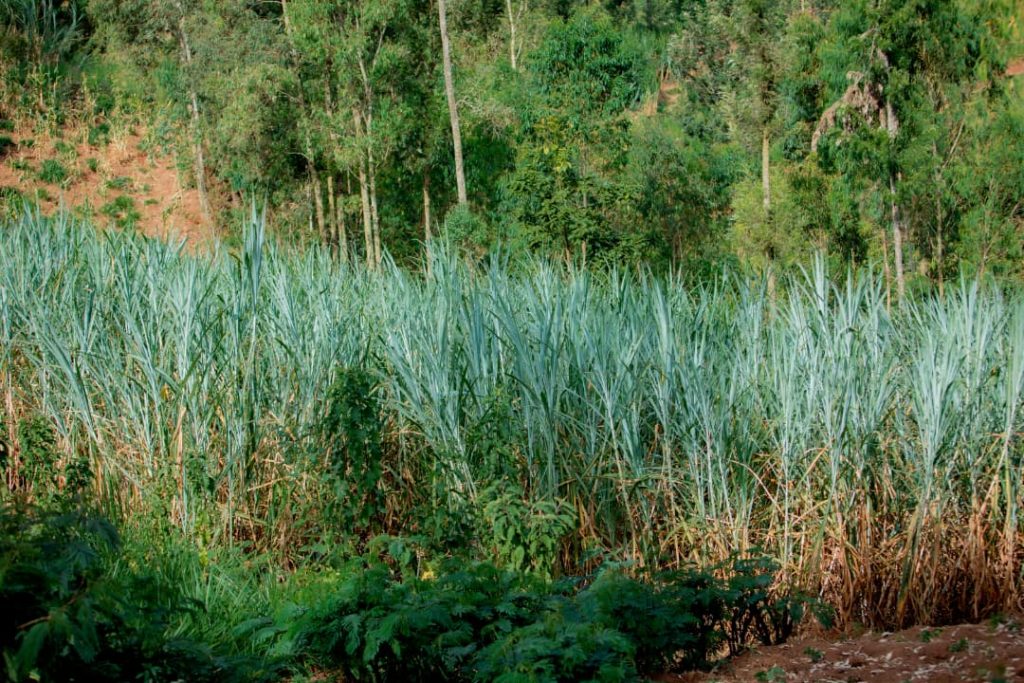
His farm runs on improved forage crops, including Chloris gayana, Brachiaria, Panicum, Napier grass, Mucuna, and Desmodium. With that, he can keep feeding more steadily all through the year, not only when rain shows up. He also talks about how the understanding of animal nutrition has deepened over time.
“In the past, we fed whatever was at hand. Now we mix energy-rich feeds with protein-rich fodder. That helped health and productivity at the same time,” he explains.
And yes, the numbers changed. Milk production moved from about two litres up to roughly 18 to 20 litres per cow each day. He attributes it to feeding adjustments, breeding choices, and overall better management.
Even the animals themselves look stronger, and that raised the market value of livestock. Dairy farming, in other words, became a more dependable income source, not just a day-to-day survival task.
But the changes don’t stop at milk.
Ngendahayo has also started producing and selling fodder seeds, and he says he’s doing it because demand is growing. Other farmers want better feeding systems, so they come looking for him.
“Recently, I earned around Rwf 1.9 million from selling fodder seeds. I used that money to buy two cows,” he says.
Today his farm supports 10 permanent workers. It also works as a kind of learning ground for other producers nearby. He shares what he has learned, and it seems to be catching on.
“I work with five farmer groups, sharing knowledge. Many are adopting the improved methods and they’re getting results,” he adds.
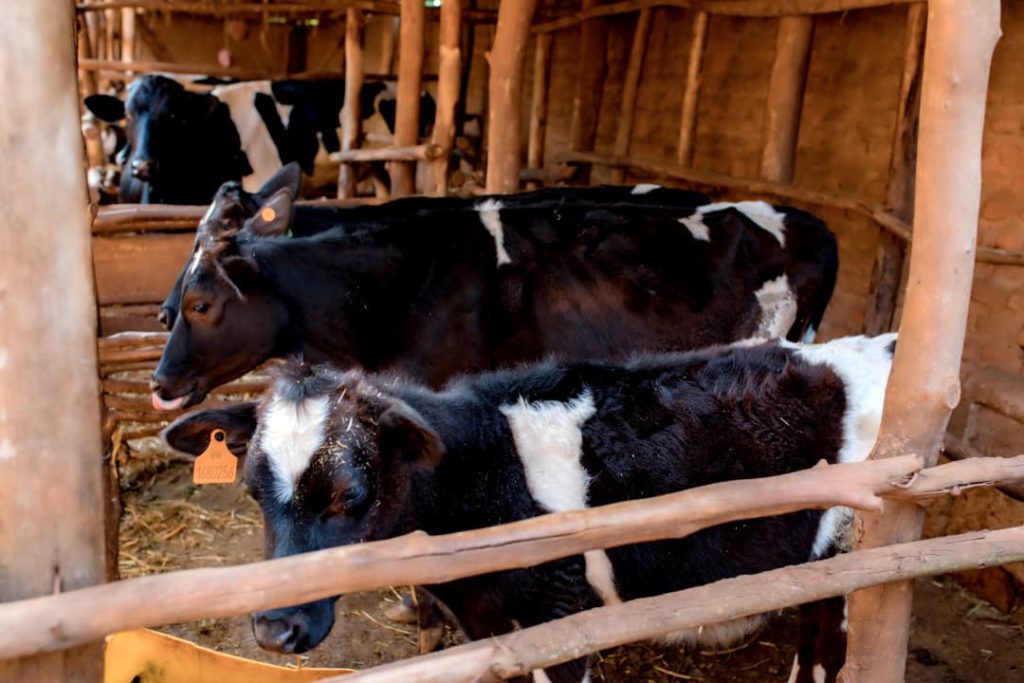
Outside of feeding, there’s been progress with cattle housing too. Hygiene has improved, and disease management is handled with more care, so overall farm performance keeps rising.
On Ngendahayo’s farm, a newly built cowshed shows that progress, designed to keep the animals healthier and more productive.
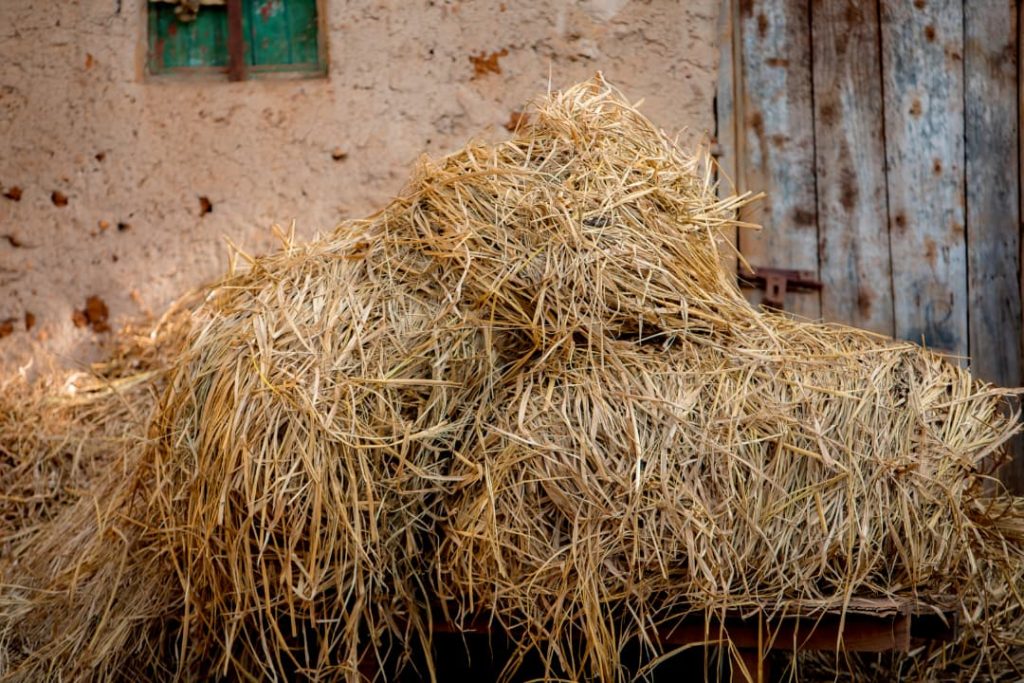
Looking ahead, he’s focused on fodder availability. His plan is to put more resources into hay production, storage, and processing, so feed can be preserved during times of plenty and then used during dry periods, when scarcity hits hardest.
“I want to build storage and later process fodder, so farmers can have feed for the whole year,” he says.
For him, dairy farming has shifted away from small-scale subsistence.
“Today, I’m building something bigger. I am creating jobs, increasing production, and planning for the future.”
Across Eastern Rwanda, similar changes are happening, pushed by improved practices, stronger demand, and farmers gradually adapting to new ways of working the land.