
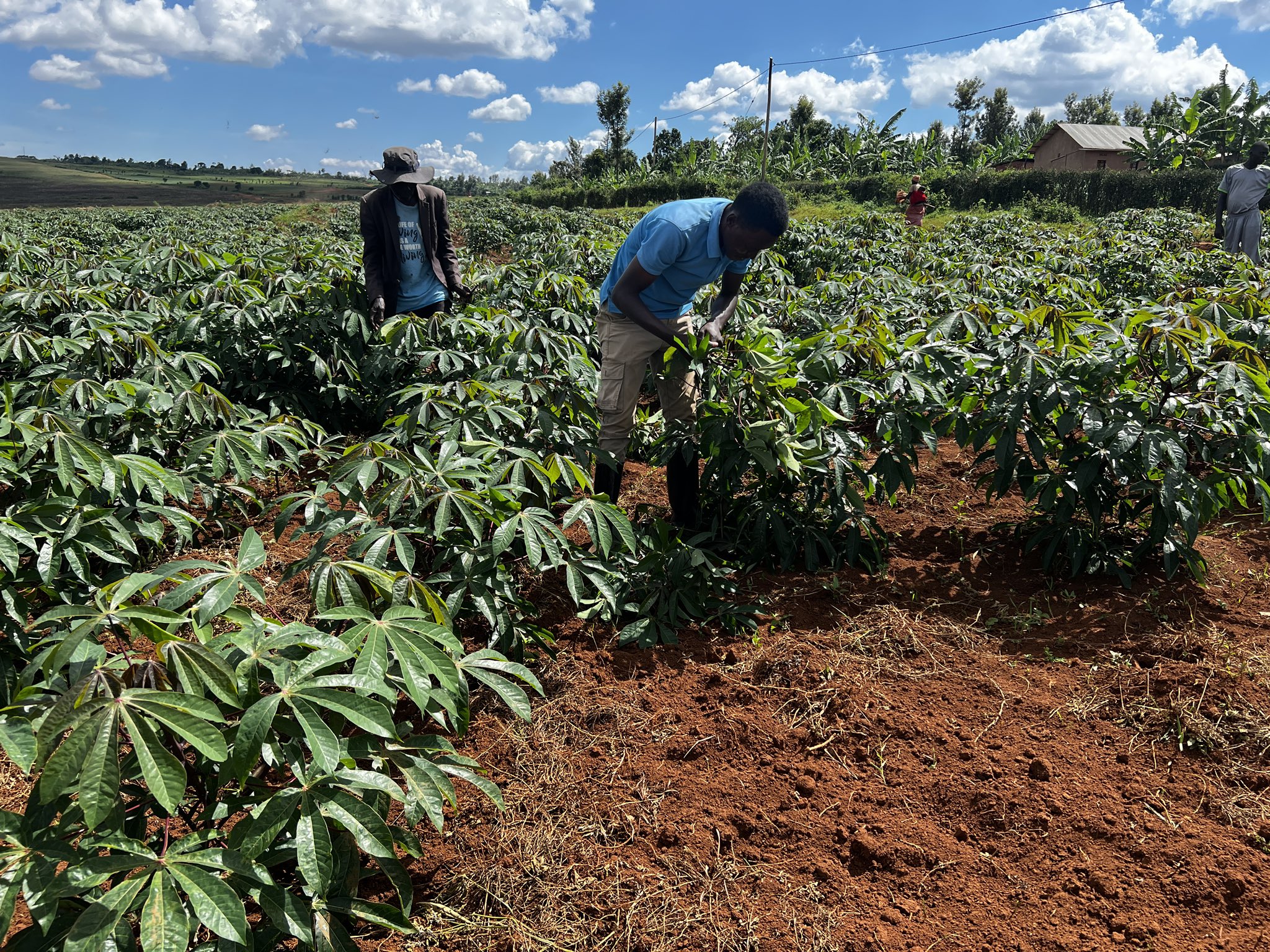
Kayonza District; In the drought-prone areas of Kayonza District, improving farming isn’t really only about putting more land to use or handing out inputs. Lately, the conversation seems to move toward a very specific base of productivity, like simply getting access to resilient, high-performing seed varieties, not just whatever is available.
At the Nyawera site, run by RAB Ngoma Station in Mwiri Sector, people are working on multiplying and sharing improved cassava and sweet potato varieties that can cope with the tough weather patterns hitting Eastern Rwanda. Together with the Kayonza Irrigation and Integrated Livestock Development Project (KIIWP2), the station is supporting farmers so they can get dependable planting materials that match drought conditions. At the same time, local seed multiplication systems are being strengthened, step by step.
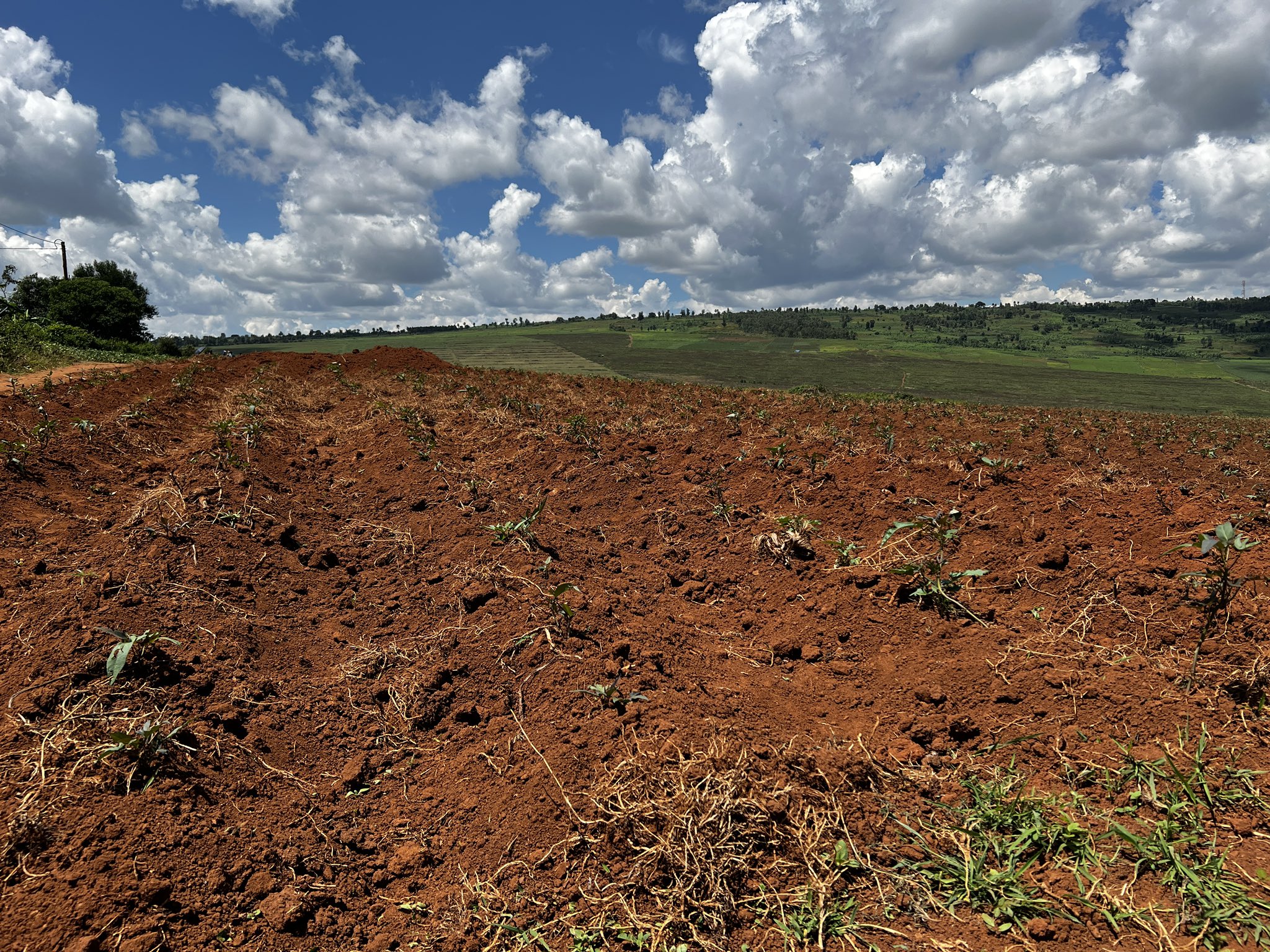
Among the cassava types being multiplied are Buryohe and Nsizebashonje, and for sweet potatoes there are Kabode, Mastopa 12, and Vita chosen for their ability to tolerate drought and also resist diseases. Technicians on the site say the improved cassava variety Buryohe can reach as much as 26 tonnes per hectare when management is proper. Still, productivity is not the only reason these varieties were selected, resilience remains a big deal too.
Farmers in Kayonza have lived through long dry spells that dropped yields and made household food security weaker. Because of that, the varieties being multiplied at Nyawera are meant to help communities keep producing even when climate stress shows up again and again. The collaboration between RAB Ngoma Station and KIIWP2 is also expanding how many farmers can get quality planting materials, through seed multiplication support. Farmers who want to multiply improved planting materials for broader sharing in their communities receive seed s free of charge, this is meant to speed up access to the improved varieties in nearby sectors.
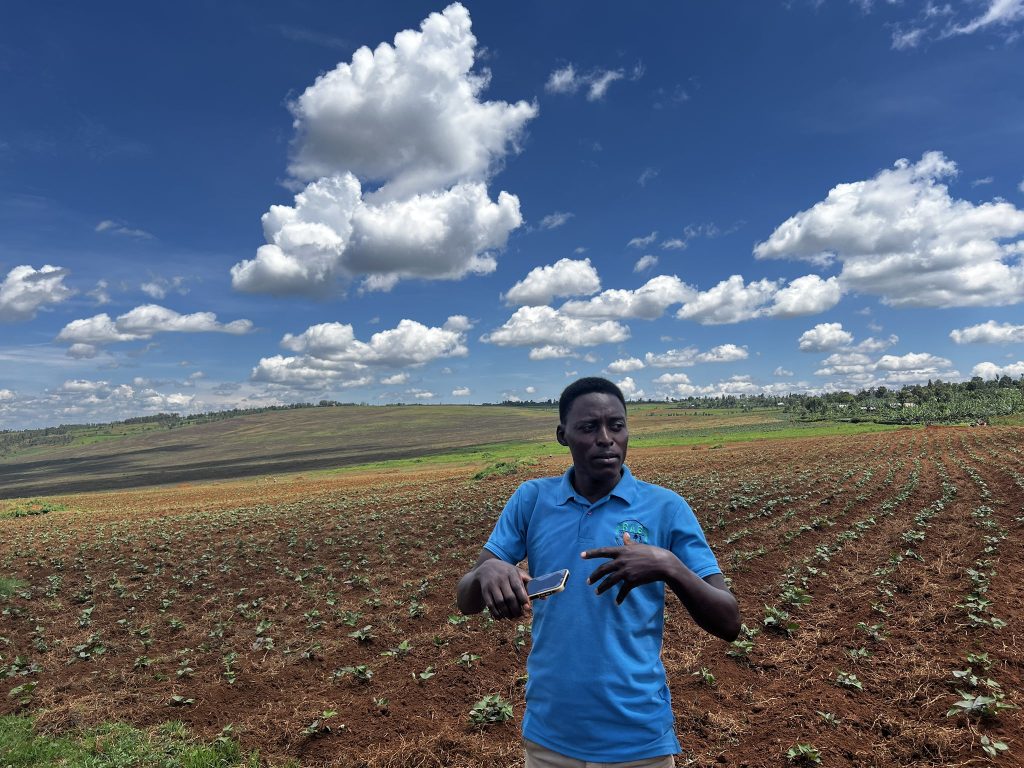
Project actors explain that the bigger aim is not just seed distribution, but making it possible for farmers to farm with more efficiency, more output, and better profit as climate realities change. For those already involved, the effect is becoming clearer. Karemera John, one of the farmers supported, says the improved planting materials, plus technical coaching, have changed the way farmers handle cassava and sweet potato cultivation. “Right now, farmers understand how to grow cassava and sweet potatoes professionally,” he says.
Across Kayonza, the stronger push for resilient seed systems links to a broader transition happening under KIIWP2, one that combines climate adaptation, improved agronomic know-how, and access to quality planting materials as main pillars for boosting food security and household incomes. And as drought pressure keeps influencing agriculture in Eastern Rwanda, institutions like RAB Ngoma Station are becoming more and more important, so farmers are not only planting crops, but choosing varieties that can actually make it to the future.