
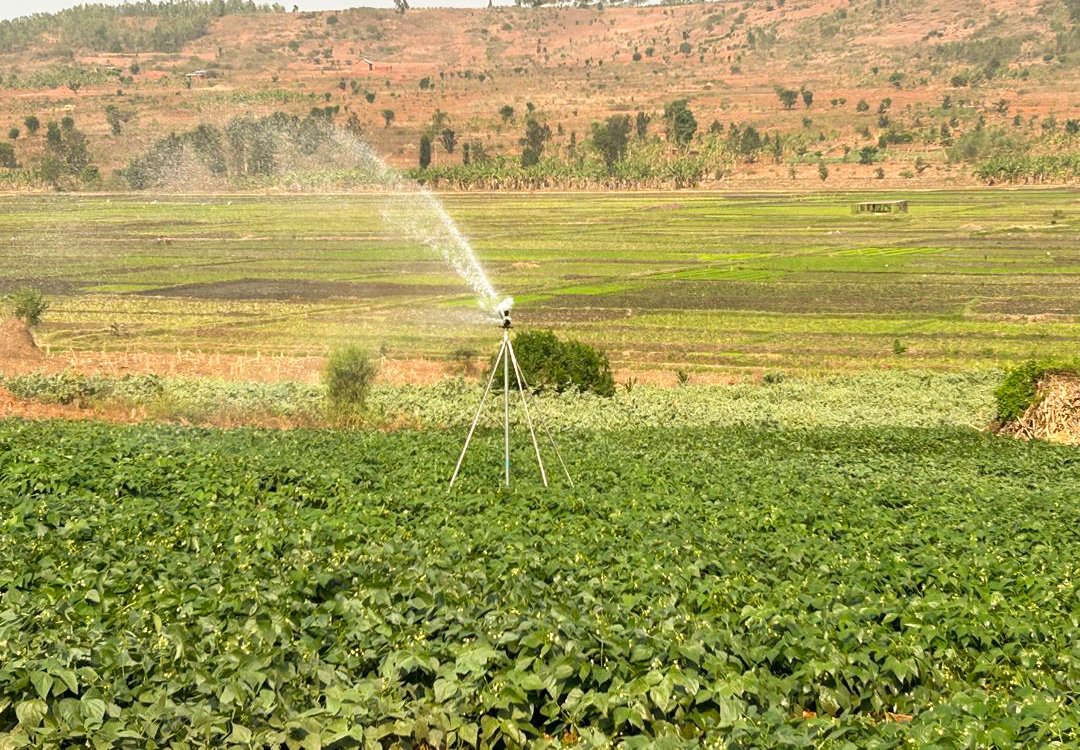
Rwanda has increased irrigation access for smallholder farmers through the Sustainable Agricultural Intensification and Food Security Project Phase II (SAIP2), according to officials who want to boost agricultural productivity while helping farmers cope with climate change impacts.
Farmers benefiting from the SAIP2 project are sharing testimonies with fellow farmers during knowledge-sharing sessions, highlighting the progress they have made and the impact the initiative has had on their livelihoods.
Alexander Nshimiyimana, who operates a six-hectare farm in Musha Sector of Huye District, reported that program assistance enabled him to decrease his production expenses while boosting his fruit harvest. Nshimiyimana said, "I received technical training and mango seedlings through SAIP2, which I planted on my farm".
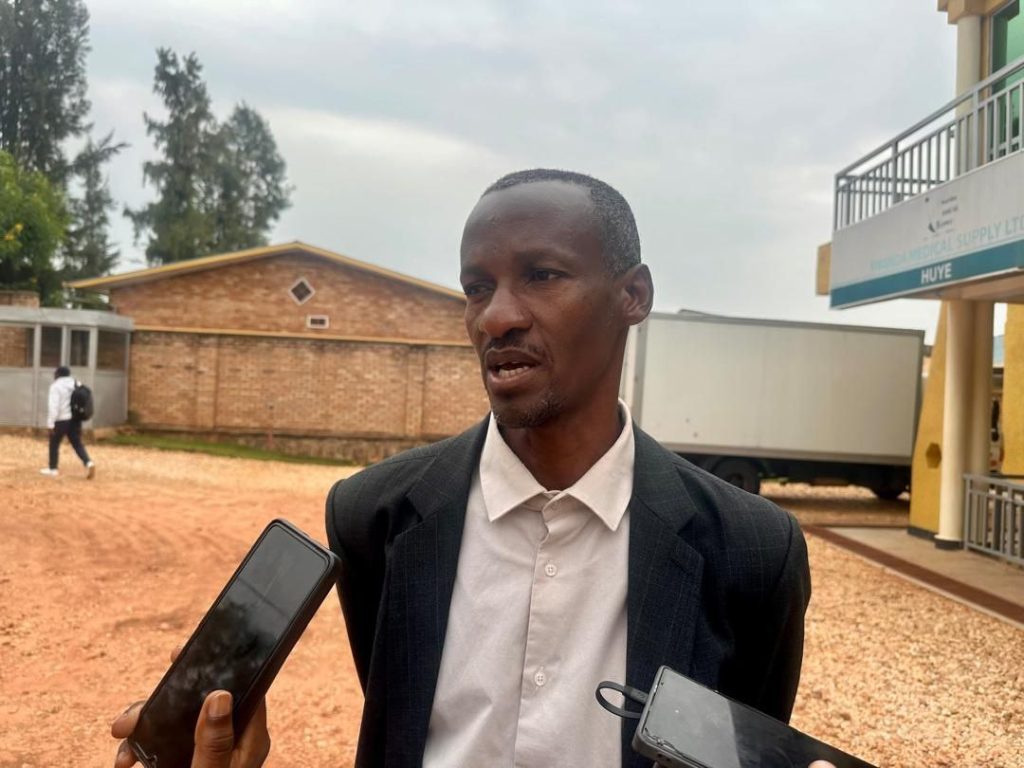
He now cultivates 4,500 mango trees after sharing 1,000 seedlings with another farmer and over 1,000 avocado trees. He expects to harvest three to four tonnes of produce between July and September. At farm-gate prices averaging 800 Rwandan francs per kilogram, he projects earning at least 1.5 million francs per month during peak season.
Nshimiyimana previously depended on electricity-powered irrigation, but he experienced rising operational expenses because of increasing electricity tariffs.
"Production costs became extremely high when tariffs went up from 150 to 420 francs per unit," he stated. "My operating expenses have been greatly decreased by the solar irrigation system."
Beyond its original 1,000-hectare goal, SAIP2 has increased irrigation development nationwide to 1,078.5 hectares, with plans to cover an additional 500 hectares. 50% of the cost of diesel-powered irrigation, 90% of the cost of solar-powered systems for cooperatives, and 75% of the cost of solar-powered systems for individual farmers are covered by subsidies.
According to Louise Mukandayisenga, a member of the Korowa Chimanzi Cooperative under the Dufashanye Association in Rusatira Sector, also in Huye District, SAIP2 training assisted in addressing crop losses caused by pests.
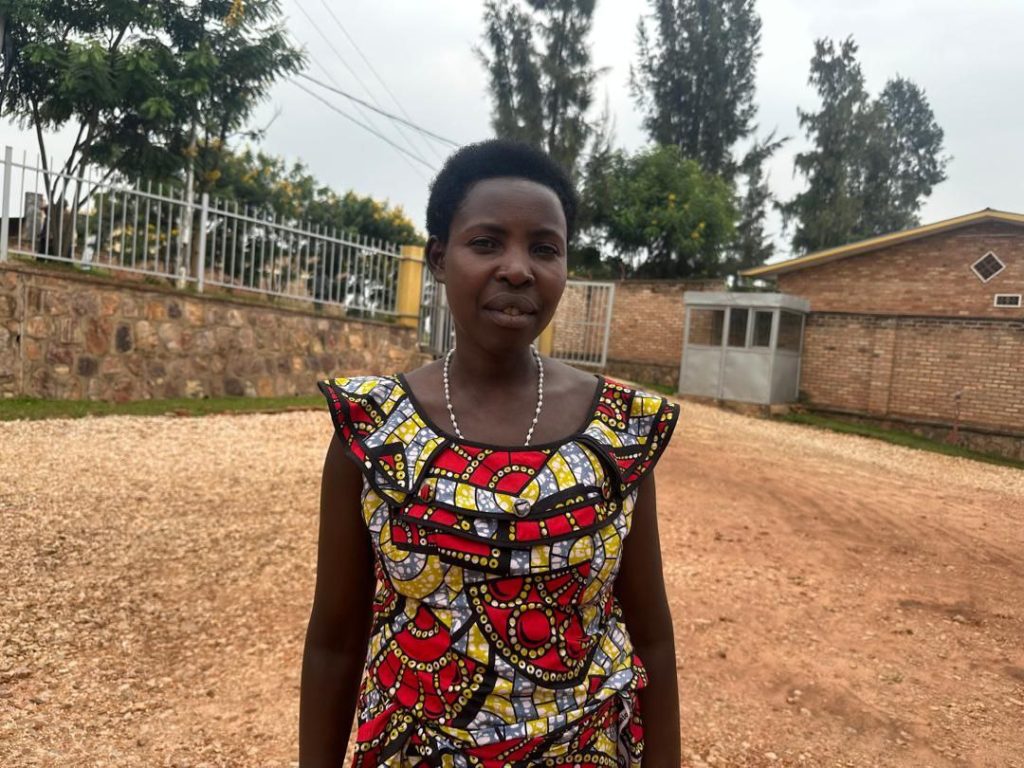
Our maize crops were being destroyed by fall armyworms before the training. We now understand how to manage them," Mukandayisenga remarked.
Limited access to irrigation is still a problem, she said, but household nutrition has improved thanks to assistance like avocado seedlings and kitchen gardening instruction.
According to local officials, the program has helped increase the production of fruits and vegetables while providing farmers with up-to-date techniques.
"SAIP2 has increased output and enhanced farmers' understanding of contemporary farming methods," stated André Kamana, Huye District's vice mayor in charge of economic development. "We are encouraging agroforestry and compost production to protect soil fertility, as soil erosion is still a problem."
The initiative also emphasizes post-harvest infrastructure, farmer field schools, and cooperative strengthening, according to project manager Ezra Mutabaruka.
According to Mutabaruka, "the program supports farmers with training and cooperative strengthening to ensure long-term sustainability."
In addition to allocating funds for crop management and greenhouse farming, the project constructed 185 greenhouses in its first phase and is currently building 31 more in Phase II.
According to officials, enhanced irrigation, training, and market accessibility are assisting smallholder farmers in stabilizing production and lowering climate-related risks as Rwanda deals with more erratic weather patterns.
Written by Dusabimana Alice