
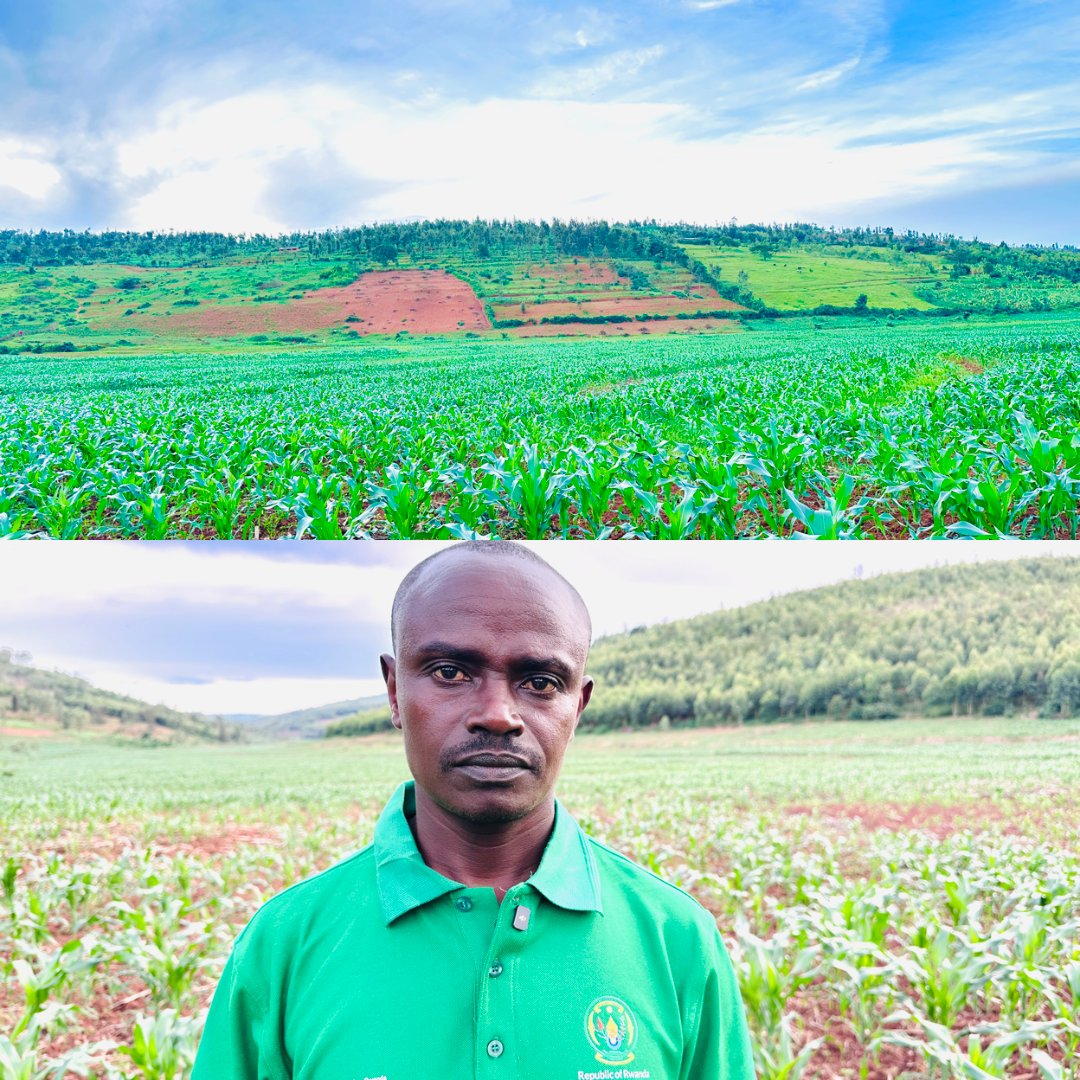
RWAMAGANA, Rwanda - For people whose income depends on farming, unseasonable weather can cause them to lose all of their money spent during the period of the agricultural seasons.
In Musha Sector of the Rwamagana district, the farmers know this too well. Their fields of maize are located in a wetland, and numerous times they are flooded and drenched by the rains. In addition to that, other times they suffer from long droughts.
Yet the cooperative says it found a quieter solution to soften the financial pain of those setbacks, yes, agricultural insurance.
Urumuri Rwa Musha Cooperative has 230 members, 103 men and 127 women, working with a total of 28 hectares of maize. They have been progressively taking up the National Agriculture Insurance Scheme, (NAIS) often referred to as Tekana Urishingiwe Muhinzi Mworozi , since it started in 2019.
For them, the move came after repeated experiences of crop losses, and those losses left farmers with very little protection, financially speaking.
“Before joining the insurance scheme, we used to cultivate our crops, but sometimes we experienced losses. Since we had no insurance, we would lose everything we had invested in production,” said MWIZERWA JMV, a representative of the cooperative.
“However, after learning about the National Agriculture Insurance Scheme, Tekana Urishingiwe Muhinzi Mworozi, we decided to insure our crops. This is now the fourth time we have enrolled in the scheme.”
The cooperative has received compensation twice, after crop damage. MWIZERWA explained that following an earlier loss, which was relatively limited, the insurance company paid around RWF256,000. After a more recent flooding incident, it received approximately RWF302,000 per hectare.
Those payments helped them bounce back, at least partially, covering part of what had been invested in production, so the impact was not as heavy.
The experience has made them even more confident about insurance. Today, they insure all 28 hectares while still pushing good agricultural practices, so productivity can improve.
“We have fully understood the benefits of agricultural insurance. That is why we have decided to insure all our 28 hectares and combine insurance with good agricultural practices,” MWIZERWA added.
One reason farmers keep joining NAIS is the Government support towards insurance premiums.
Under the scheme, the Government subsidises 40% of the premium, while farmers pay the rest , 60%. This arrangement is meant to keep insurance affordable and encourage wider participation in agricultural risk management.
NAIS covers several agricultural enterprises through different products, including rice, maize grown for consumption, maize seed multiplication, Irish potatoes, cassava, soybeans, beans, French beans, chilli and greenhouse production.
And beyond compensation when crops are damaged, agricultural insurance can also help farmers get easier access to finance.
According to MWIZERWA, being insured has expanded the cooperative’s understanding on how professional farming matters, especially when managing agricultural investments. Having insured production and showing solid farm management, can help a farmer’s profile when applying for agricultural financing. Still, credit and loan approval remain dependent on the rules and assessment used by each financial institution.
On the wider objectives of NAIS, MUSERUKA Joseph, programme manager of Tekana Urishingiwe Muhinzi Mworozi, said that agricultural insurance is not meant to encourage dependence on compensation after disasters.

He said the scheme is more than paying for insured losses. It also pushes preventive measures, plus responsible farming habits that reduce the probability of disasters and the harm they bring.
“We do not ensure our crops so that we can receive compensation. We insure them to protect our investments. If a loss occurs, we can receive compensation, but our main objective is to prevent losses and make profits,” he said.
Farmers are advised to use quality seeds, prepare land properly, manage soil carefully, follow recommended crop husbandry practices, and act early to control pests and diseases.
Agricultural production can face many natural and biological risks. Depending on the specific insurance product and the policy conditions, NAIS coverage may include losses from flooding, excessive rainfall, drought, excessive sunshine, hailstorms, strong winds, soil erosion, landslides and fire. Certain crop diseases and pests can also be included, only if the relevant policy requirements allow it.
But not every crop loss automatically qualifies for compensation. Coverage depends on the agreed terms, exclusions and conditions between the farmer and the insurance provider.
Some losses can be excluded, like damage caused by theft , war, birds and other wild animals, or failures tied to not following recommended agricultural practices, and delayed harvesting.
Other exclusions may also apply if damaged or unauthorised seeds and crop varieties are used in areas where they are not approved. For greenhouse production, unauthorised changes to structures, or using insured facilities for purposes outside approved agricultural activities can also affect whether coverage applies.
That is why farmers are encouraged to read and understand the policy, including which risks are covered, what is excluded, and what responsibilities they have before enrolling.
Through NAIS, Rwanda continues to strengthen agricultural risk management by linking Government support, private insurance services, farmers’ participation, and preventive agricultural practices.
The experience with regular flooding has highlighted to the Urumuri Rwa Musha Cooperative the necessity of risk management beforehand. The cooperative's decision to insure all 28 ha and work on optimizing its agriculture methods confirms the significance of safeguarding agricultural investments. The bottom line is simple: although compensation is needed for the recovery process following disasters, the main aim is to ensure that there are no losses, while farming remains profitable.