
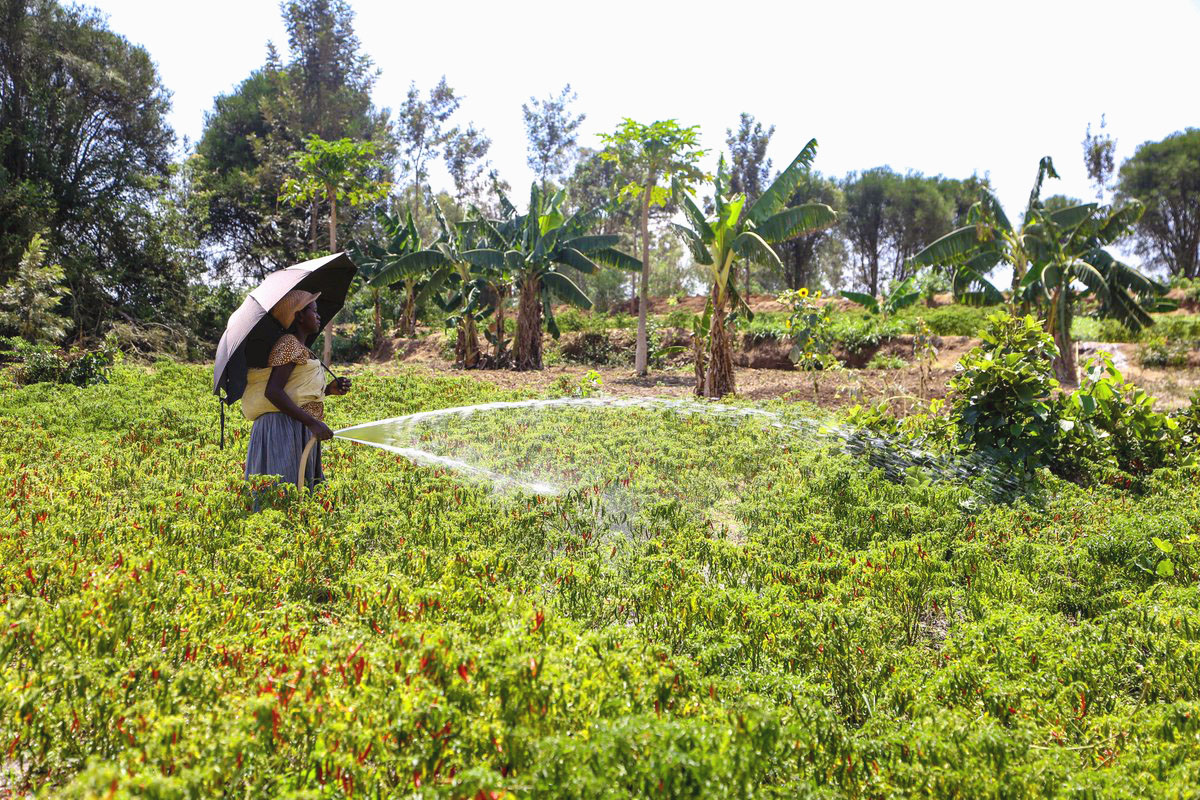
According to the farmers in the Bugesera district, use of solar-powered irrigation allows farmers to cultivate crops year-round, thereby significantly improving their income as well as making investments in their families.
With support from Rwanda Green Fund (RGF ) and Action pour le Protection de l’Environnement et la Promotion des Filières Agricoles ("APEFA"), installed two solar-powered irrigation systems in Mareba and Ngeruka sectors, each covering 10 hectares.
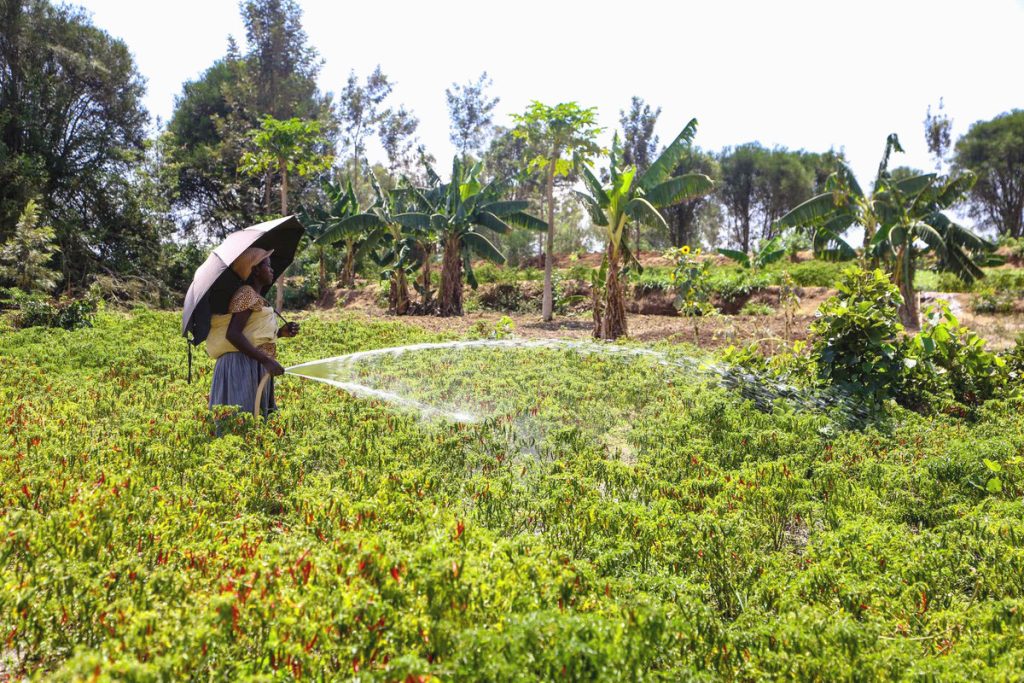
The above-mentioned solar irrigation system installation became possible thanks to the project Sustainable Farming Practices to Build Climate-Resilient Livelihoods for Vulnerable Households in Bugesera District, which impacts 121 farmers in total, with 80 of them being from Mareba region, and 41 being from Ngeruka.
Farmers from five cooperatives are now able to cultivate vegetables such as onions, tomatoes, pepper, green pepper, carrots, okra, French beans and cabbages.
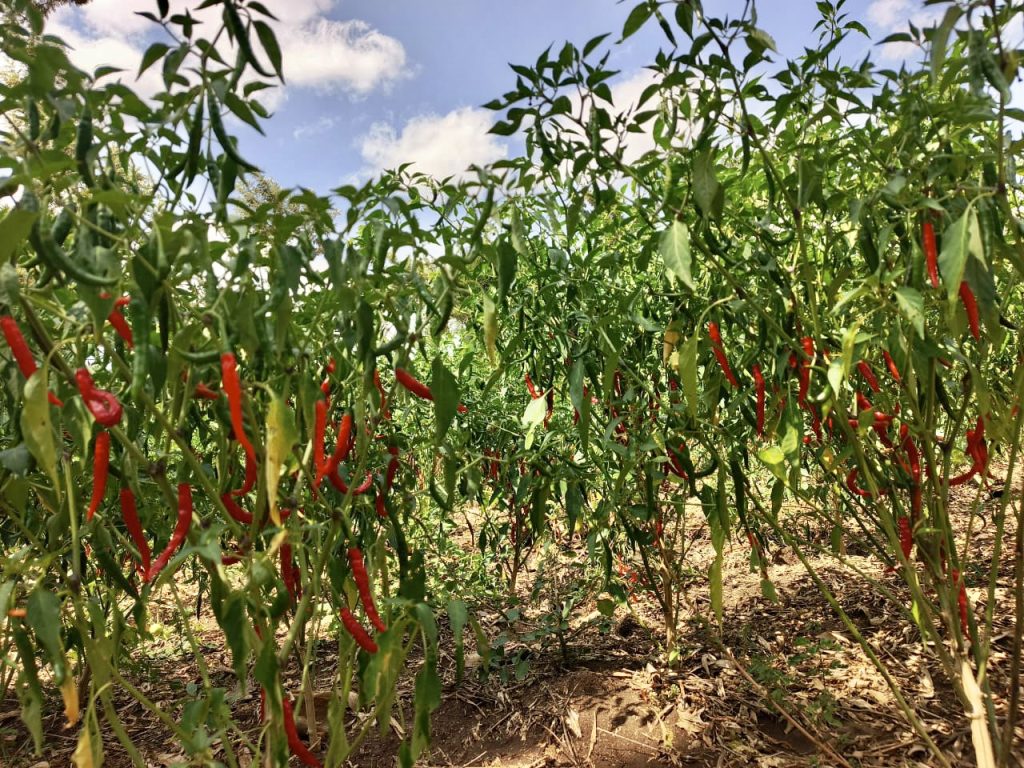
Thanks to the availability of water, farmers no longer rely on seasonal rains and grow crops even during dry seasons.
According to Joel, a farmer from Mareba, this new technology has changed the way he farms.
He claims that farmers mostly depended on the methods of agriculture that were found in tradition, while they did experiment with using water pumps powered by petrol as this was costly and rare.
With the use of solar-powered irrigation brought by APEFA in his use, he gathered 1,5 tons of okra from 10 ares during the time period between July and September, which earned him about RWF1,3 million.
He mentions that his income made it possible for him to buy a bike for RWF150 000 and finance his children’s education. In addition to it, he has become an onion grower on the same piece of land.
Joel says that the farmers have organized a saving system that has made it possible for them to repair and maintain the devices if it is necessary.
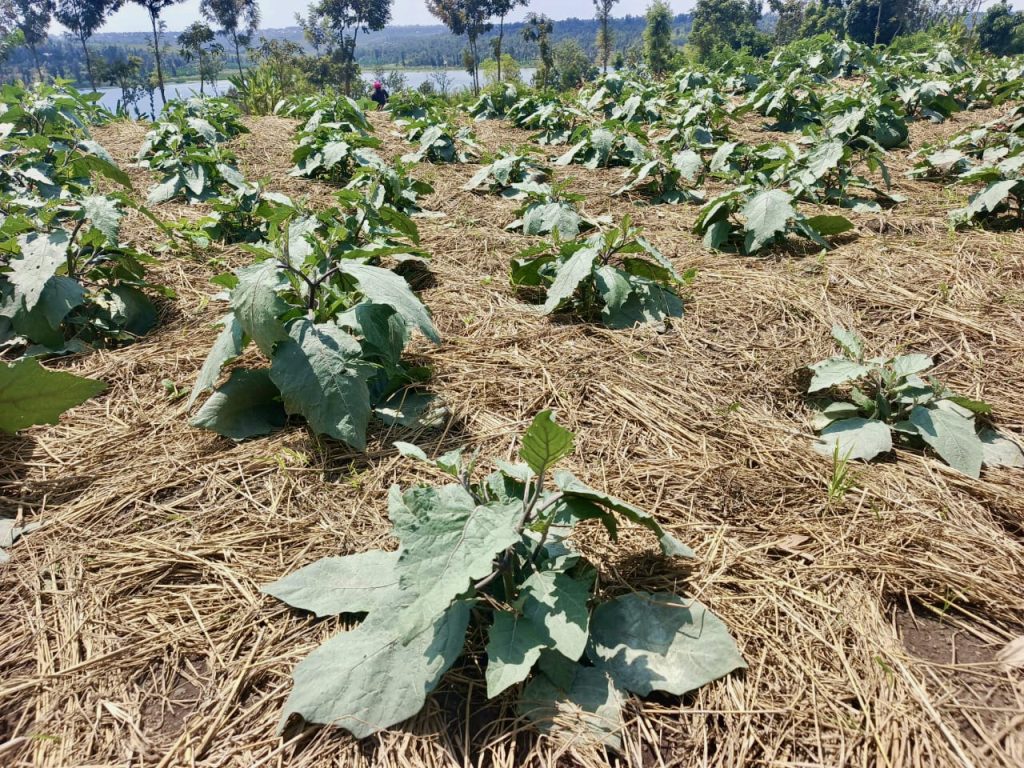
In the Ngeruka Sector, farmer Hitiyaremye Pierre shares that the access to the irrigation systems has significantly influenced the productivity of his farm and helped him recover financially.
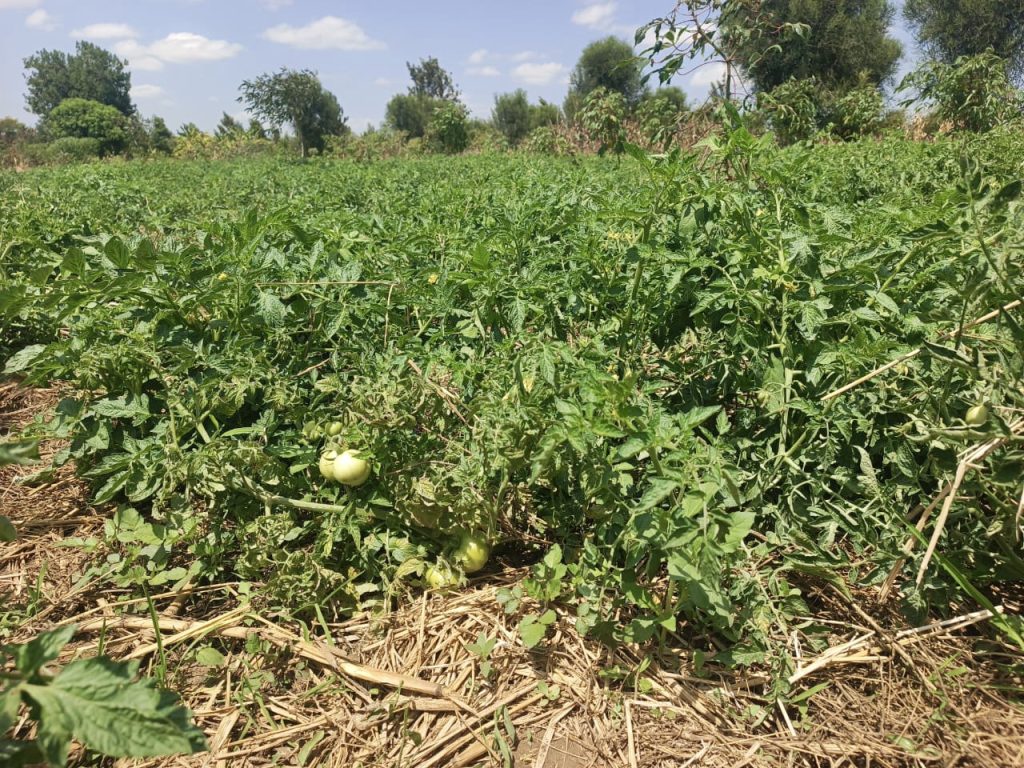
Before the project was launched, he desperately finished his farming process with little production and losses while being dependent on ful-powered motors.
Between July and November 9, he has made a profit of RWF400,000 from eggplant farming while continuing to harvest.
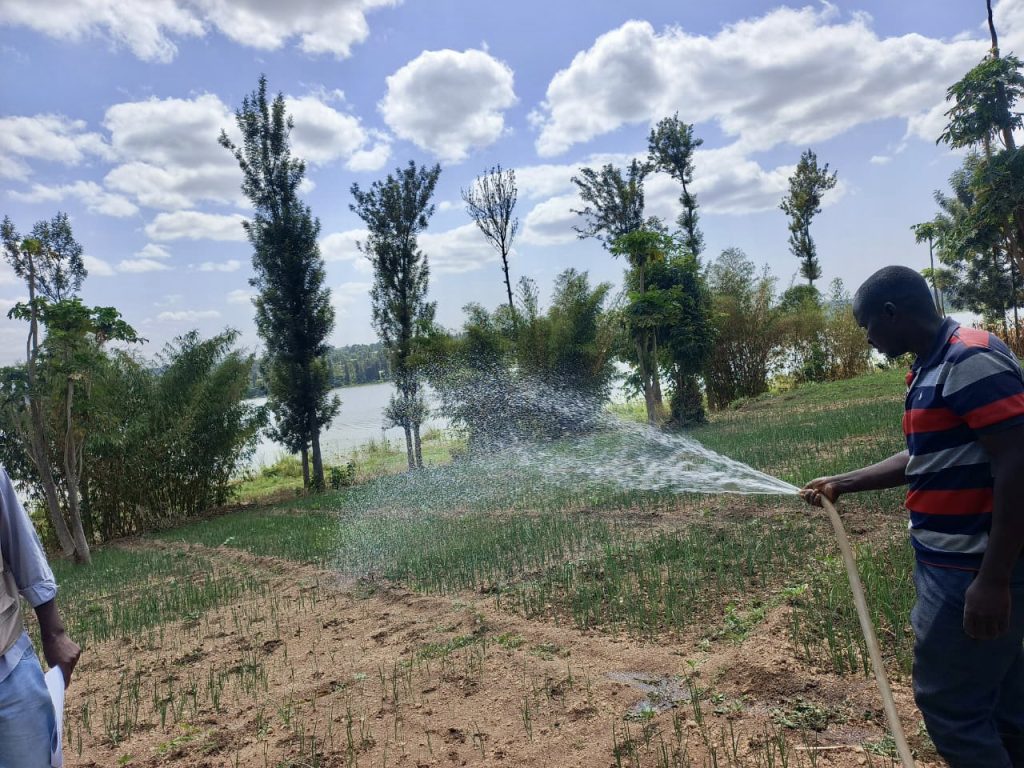
According to his words, this income enabled him to buy a grinding machine, obtain farmland, and pay the tuition fees of his children. Farmers say that the access to water allows them to maintain agricultural production even in dry conditions, which opens up new opportunities for increasing agricultural income and improving their lives.
Photo Credit :Action pour le Protection de l’Environnement et la Promotion des Filières Agricoles ("APEFA"),