
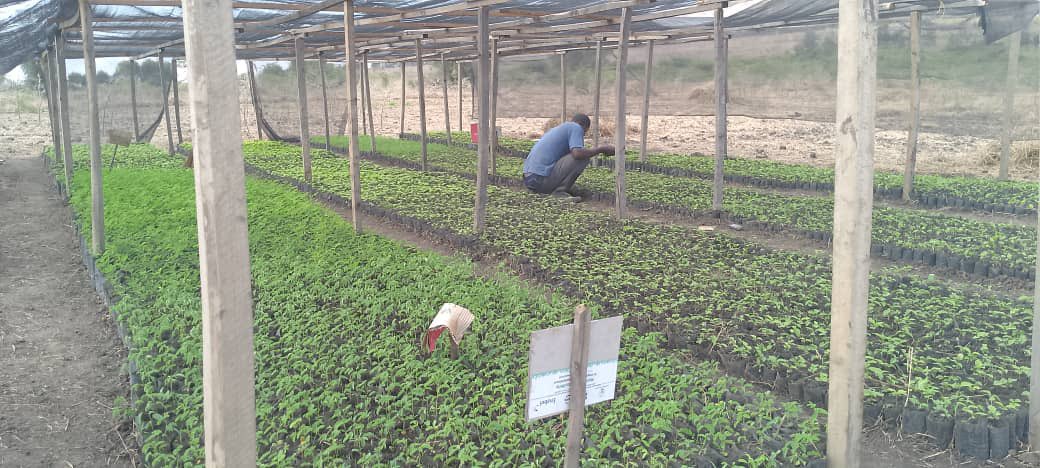
NYAMUGARI CELL, An exemplary model in the village of Gasarabwayi (located in eastern Rwanda) shows how environmental restoration can provide a means of economic development for local communities by linking the two together; that it is possible to have both agricultural production and environmentally friendly practices operating side by side without disrupting either system.
The Environmental Conservation Cooperative (ECC), located in the Mwili Sector of Kayonza District and established as a not-for-profit organization in 2011, has successfully achieved its mission of preserving natural resources while raising income levels for its 36 members and working to expand its business through a government-supported agricultural program.
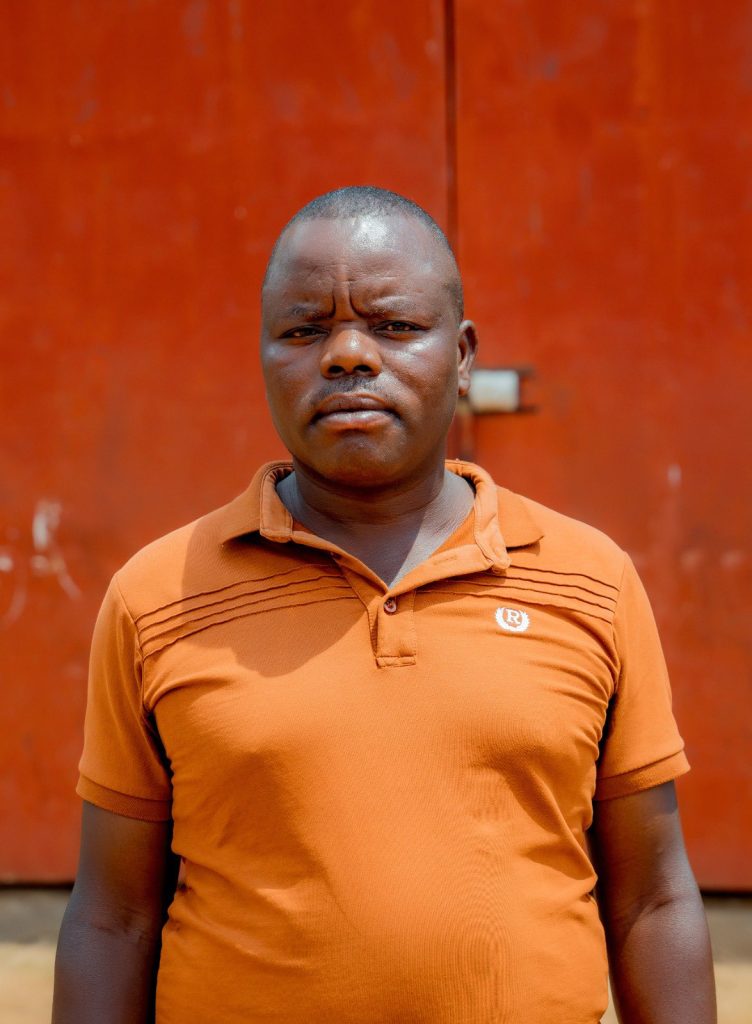
According to Eric Kanyarwanda, President of the ECC "Our business was established in 2011 with 36 members. Our objective was to help conserve the environment while increasing income for our members."
ECC has a tree nursery where they grow many different types of trees like fruit trees (mango and avocado), and other types of agroforestry trees (grevillea, calliandra, leucaena) and native trees (ficus). The Seedlings are provided to local farmers who want to add trees to their land for the benefits of improved soil, shaded areas, fruit production, and erosion control.
What sets ECC apart from other similar companies is that they have a community-based business model. This means that they do not sell all of their seedlings. A percentage of the seedlings are donated to help with land restoration and protecting the environment. There are many areas in this region that have had major damage due to soil erosion and land degradation, and by donating these seedlings they are helping to rebuild the landscape.
Besides producing trees, they also have four hectares of land on which they grow maize, soybeans, and beans. The farms produce large yields each year and the average yield per hectare of maize is 4 to 5 tons and beans 600 to 700 kilograms.
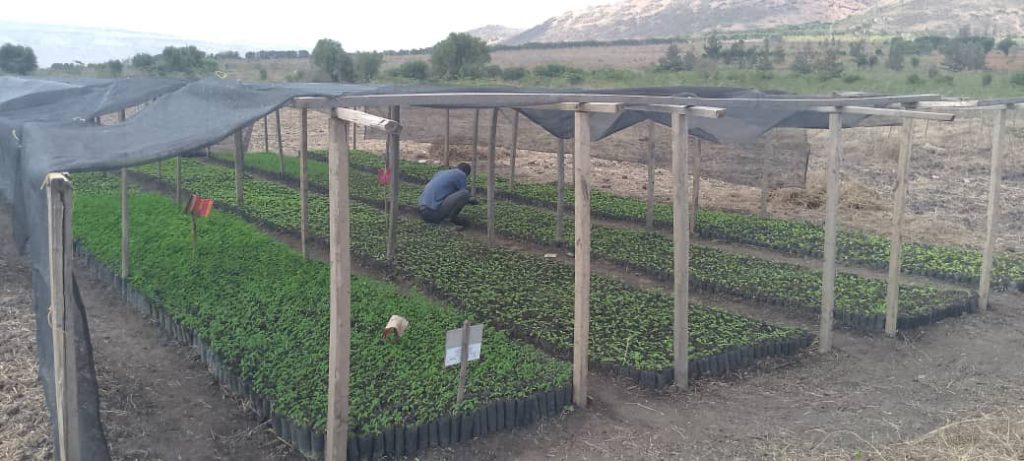
In order to prepare for future growth, ECC Cooperative is preparing for future growth through the Kayonza Irrigation and Integrated Watershed Management Project, Phase II (KIIWP2). They anticipate being able to access a total of $5,000 in financial assistance as part of the matching grant program. KIIWP2 will pay for 70% of the total cost of the project. The cooperative will provide 30% of the total project cost.
This funding will allow the ECC Cooperative to produce more seedlings, protect more land from degradation, and reach more farmers throughout the district.
For the members of ECC Cooperative, trees are not just planted to rehabilitate land. They are planted to create sustainable livelihoods and to develop a greener, more resilient future for Mwiri Sector.
Written By Jean Bernard MUKUNDENTE