
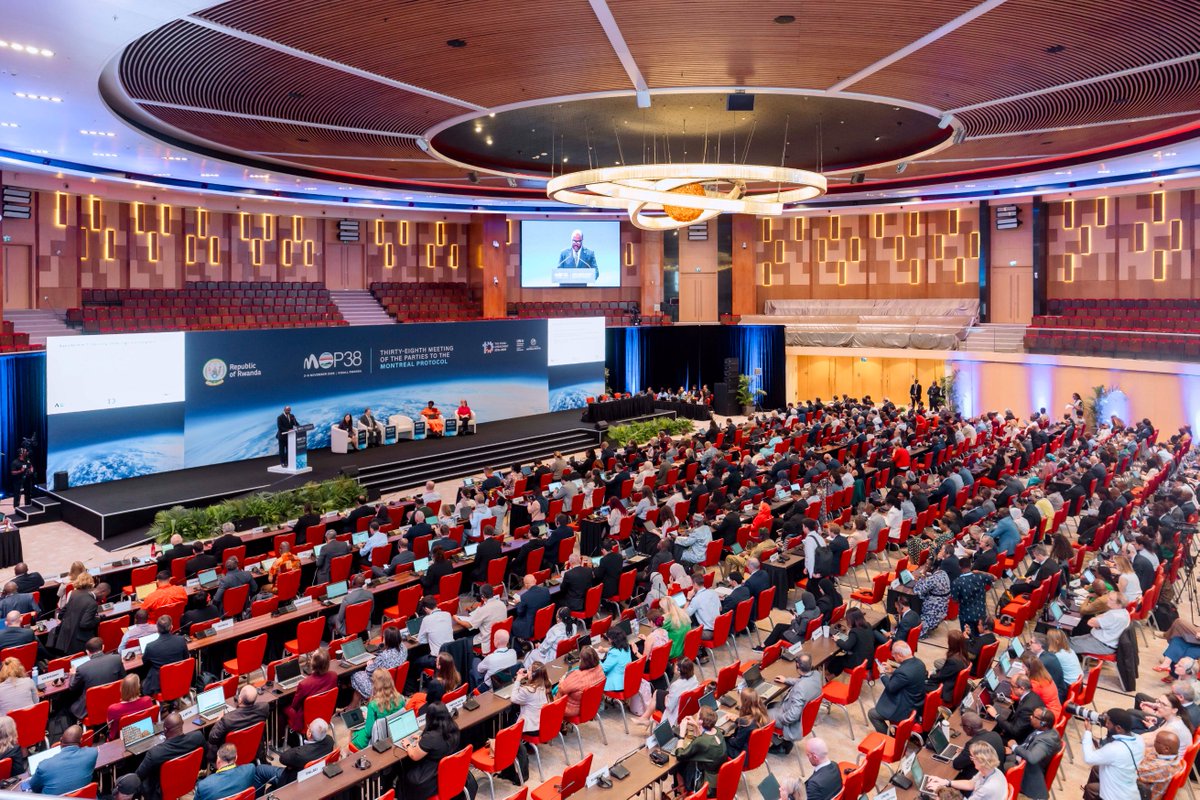
The Prime Minister of Rwanda, Dr. Justin Nsengiyumva, has officially opened a high-level meeting of nations committed to the Montreal Protocol, where the attendees are discussing matters pertaining to preservation of ozone layer and combatting climate change.
The opening of this segment of MOP38 meeting was held at Kigali Convention Centre on November 5, 2026.
The meeting is hosted by the leaders and officials from both the governments and the partner organizations to evaluate the implementation of the Montreal Protocol.
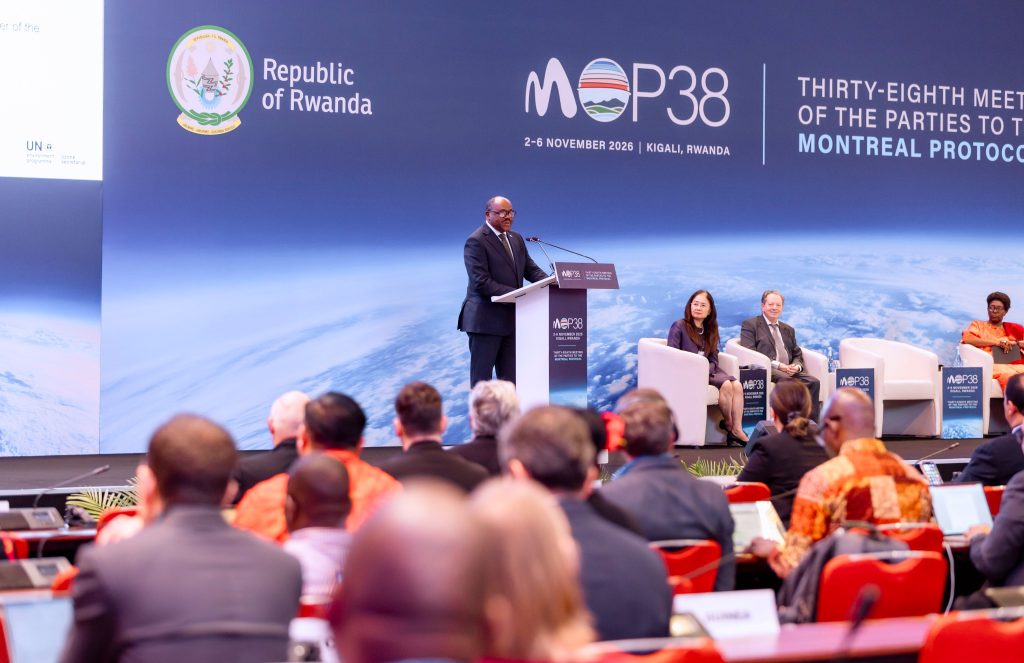
Speaking at the opening, Dr. Nsengiyumva reminded that Kigali was the place of signing of a historic climate agreement ten years back.
"Ten years ago, in this very city the world came together to adopt the Kigali Amendment, where it was decided to phase out hydrofluorocarbons," he stated.
He also urged all nations to remain in line with the course of implementation of the process of tackling environmental issues.
The Kigali Amendment is an international treaty, which was adopted in October 2016, obliging its members to lower the production and consumption of hydrofluorocarbons (HFCs) - gases that are widely used in air conditioning and refrigeration. HFCs are not directly involved in ozone depletion, although they are potent greenhouse gases and are responsible for global warming. Thus, it is crucial to reduce their amount in the atmosphere in order to fight climate change globally.
Rwanda’s Minister of Environment Dr. Bernadette Arakwiye is presiding over MOP38 as it was voted for her to be the president of the meeting. In her speech, Dr. Arakwiye advocated for international cooperation, which would be based on reliable scientific evidence and aims to turn agreements into reality.
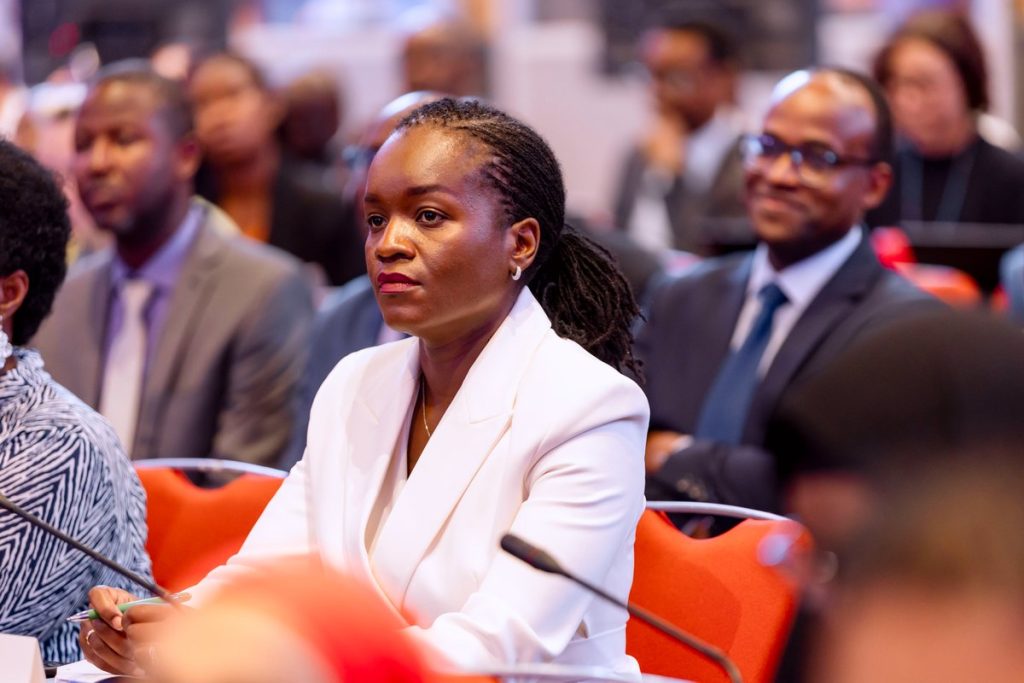
Dr. Arakwiye’s presidency makes Rwanda one of the key players in discussions about the implementation of the Montreal Protocol and the Kigali Amendment.
In order to safeguard the ozone layer, the Montreal Protocol was established in 1987 with the goal of reducing the emission of several harmful substances. Indeed, the ozone layer protects life on the Earth from dangerous ultraviolet rays coming from the sun.
Though the Montreal Protocol was created to resolve one problem, over time, it has been modified in order to deal with new challenges related to the environment.
The Kigali Amendment targets HFCs that are widely used as substitutes for many ozone-depleting substances, but they are able to worsen climate changes.
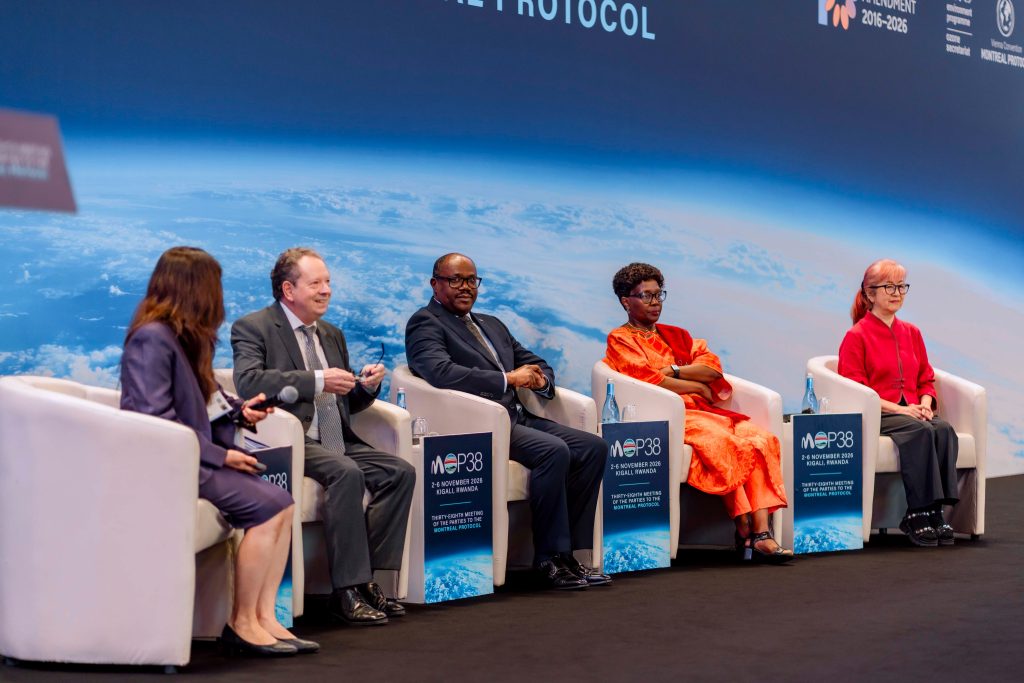
As stated by the UN Environment Programme, the application of this amendment can contribute to preventing the increase in temperatures by up to 0.5 degrees Celsius by the end of this century.
The implementation of new refrigerants has the potential to bring many other positive outcomes besides helping the planet.
Cooling appliances are used in food storage, transportation and food processing and in hospitals where medicines and vaccines should be kept at specific temperatures. From the perspective of agriculture, good cooling services and effective transportation of products are fundamental for minimizing the losses after collecting food from fields and transportation of high-quality products.
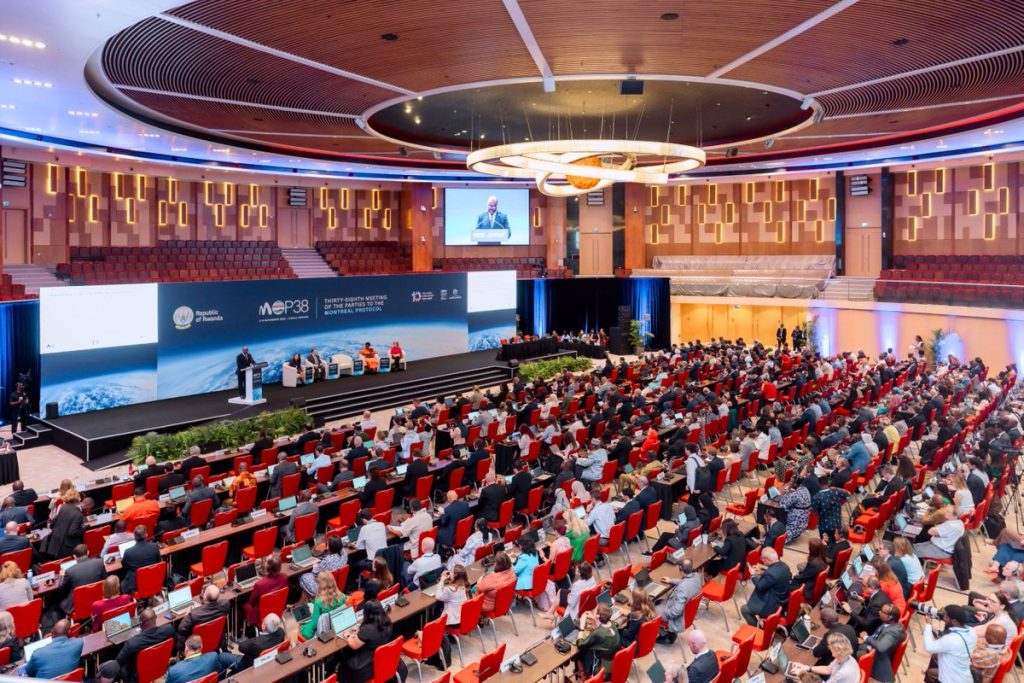
MOP38 gives nations a chance to evaluate progress, tackle implementation issues, and enhance international cooperation.
The conference is observed after a decade since the Kigali Amendment was adopted in the capital of Rwanda, renewing focus on the need to transform international environmental obligations into feasible action.
Written by Jean Bernard MUKUNDENTE