

Gisagara District in Rwanda has seen a community of small-scale farmers avoid the high cost of commercial agriculture by growing animal feed themselves, using water.
The ability to raise livestock for residents of the Nyanza Sector was hampered for years, simply due to the cost of feeding them, however now as a result of a local initiative, the Partnership for Resilient, Inclusive Small Livestock Markets (PRISM), 439 households in the Nyanza Sector have learned how to grow green feed at home via two low-cost methods.
Farmers use azolla, which are fast-growing aquatic ferns, instead of using commercially produced grains that can often times be more than what the average household can afford to earn in a day.
Farmers in this sector would often times raise pigs, goats, or chickens, however without having access to grain at an affordable price, a lot of them have decided against raising livestock.
"Animal feed was a big problem for us," said Augustin Bucyana from Nyanza Sector.
“The turnaround was made possible through PRISM’s introduction of two low-cost methods to grow green feed at home, both using water as the growing medium. By using these two new methods of growing seeds and azolla, farmers will now produce several days’ worth of nutrient-rich green fodder in a small area and with very little investment."
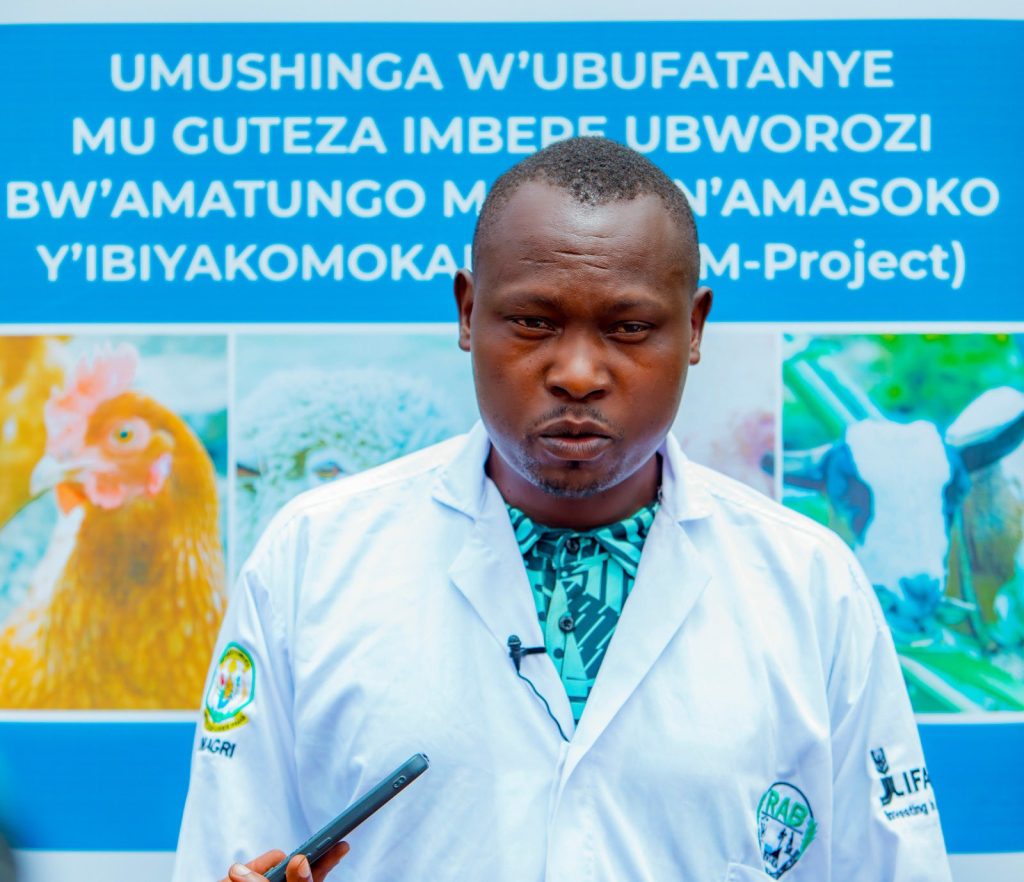
The immediate response to the decline in feed costs was the formation of the Abesamihigo Nyanza Cooperative by the community. This cooperative is now made up of 22 different groups of farmers. This project has also helped the community get started on farming by giving their 439 households 10 chickens each and/or some pigs for small businesses.
According to Bucyana, "Feed is not a barrier to our community anymore. I can afford to feed green plants to a pig and I can watch the pig grow."

Because of the pigs and the egg supply from the chickens, families within the community have been able to grow their own home gardens. Therefore, these families are seeing a decrease in malnutrition among their children.
The original challenge of surviving is now replaced with an organized cooperative that has pooled their resources and built a shared working space where they can produce their own feed and develop future plans. This cooperative illustrates how a change to the feeding of your animals can address hunger in a region where dollars are tight.


