
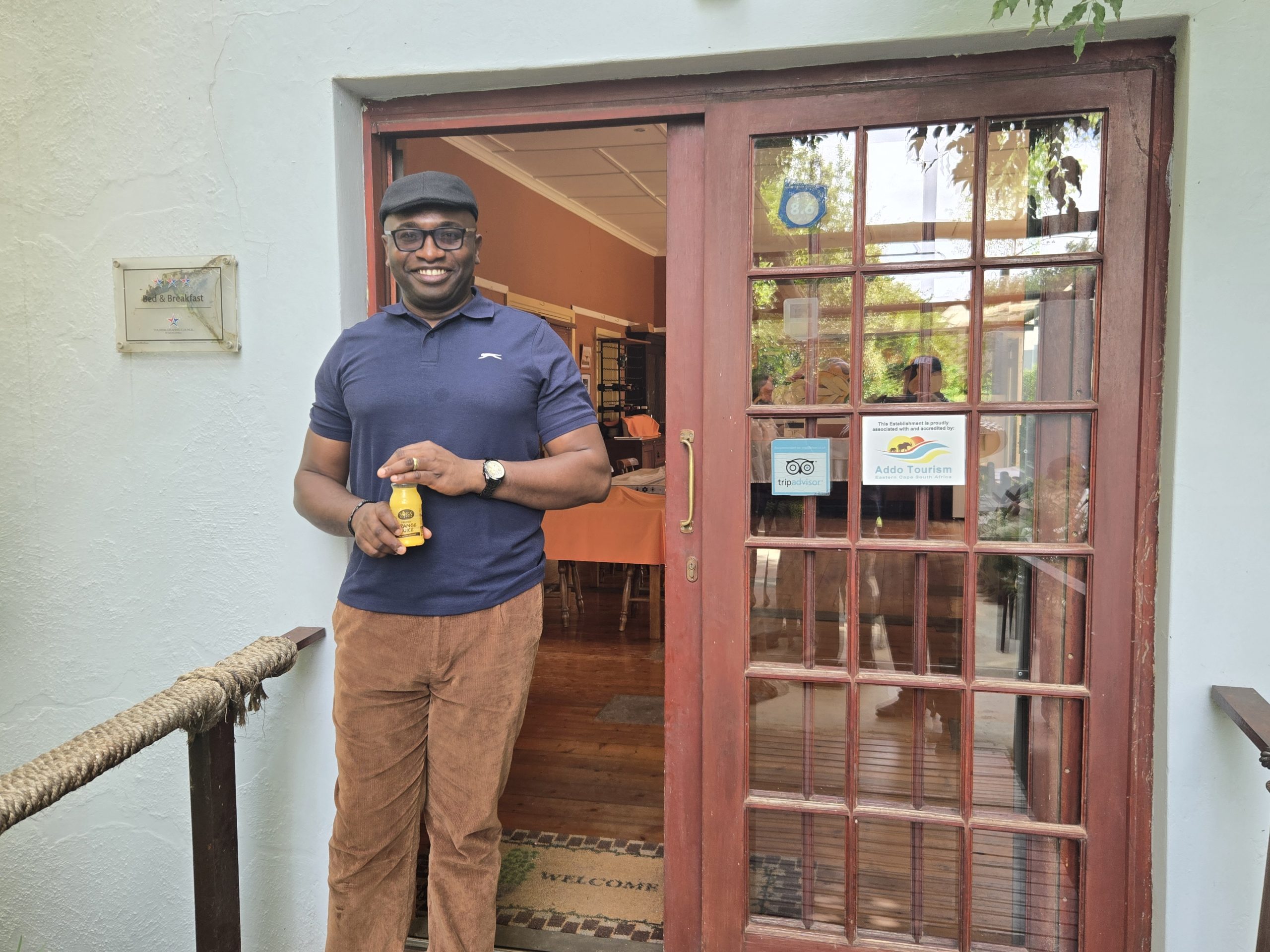
A Nigerian agricultural researcher has called for more investment in storage, transport and market infrastructure so smallholder farmers can somehow earn more from their produce and also cut down on food losses, because you know, stuff spoils.
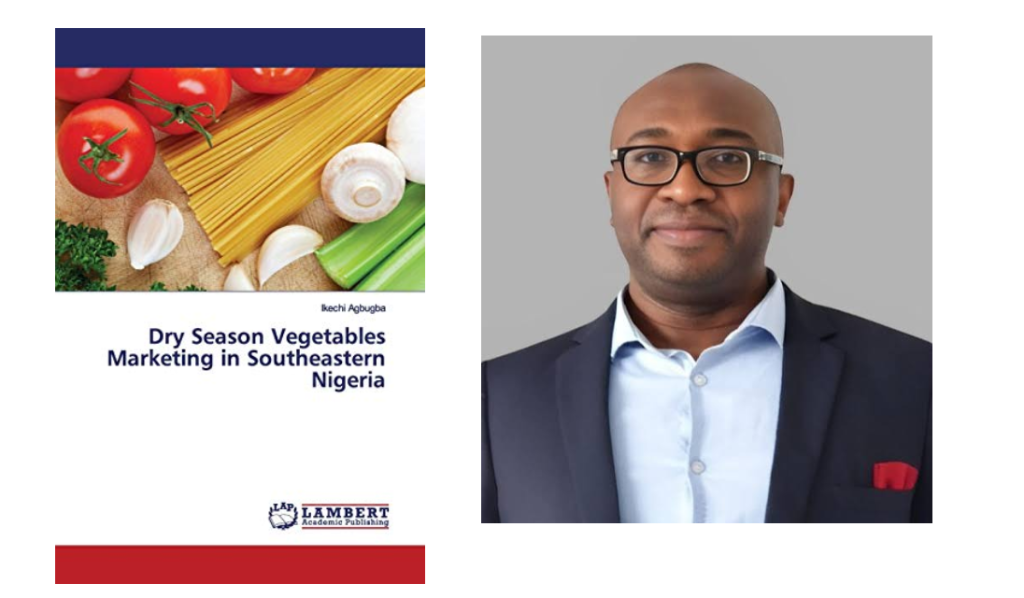
Prof. Dr Ikechi Agbugba made the recommendations during an interview with Louis-Georges Tin Prime Minister of the State of the African Diaspora (SOAD) he was talking about his book, Dry Season Vegetables Marketing in Southeastern Nigeria, published by Lambert Academic Publishing.
Dr Ikechi Agbugba said his research was moved by the problems farmers face when they are trying to reach markets and when they don’t get a fair share of the value that is created along agricultural supply chains.
He mentioned that “my focus started from a childhood experience, he used to farm in the backyard garden of his family in Nsukka, southeastern Nigeria, and from there my interest in agriculture showed up early. Later it grew, sort of turned into professional resolve to tackle weaknesses in both food production and distribution systems”.

He argued that just increasing agricultural output alone won’t quite fix food insecurity, unless farmers also have dependable ways to sell and distribute what they grow, or else it sort of stalls.
According to Agbugba, smallholder farmers often face the heaviest production risks but they get only a small portion of the final value, mainly because marketing routes are fragmented and intermediaries especially wholesalers have a strong influence.
He said things could be improved by shoring up farmer-led cooperatives, and putting money into decentralized post-harvest infrastructure. Organized farmer groups, he explained, can actually raise their bargaining power and bargain directly with bigger buyers, rather than being squeezed.
The researcher also pointed to the usefulness of cold storage, in particular solar powered systems placed close to farms. He said that without sufficient storage farmers feel pushed to move produce fast, sometimes at unfavorable prices, because vegetables spoil so quickly.
Agbugba recommended that governments and investors focus on three areas: cold chain infrastructure to cut post-harvest losses, organized collection and distribution centres that connect rural and urban markets, and digital platforms that share market prices in a clear way.
He also pushed for stronger public private partnerships in order to pull investment toward rural infrastructure, and not just that, he mentioned better access to agricultural finance via digital technologies as well.
After that, Agbugba said, “beyond national markets, African countries should really tighten cross border trade by making policies more compatible. He tied it to improving the movement of agricultural commodities under the African Continental Free Trade Area (AfCFTA) and left it at that”.
In his view, when markets connect in a smarter way, it could help with the odd situation where some regions end up short on food while other areas are producing more than they need.
As an ambassador of SOAD, Agbugba also highlighted, almost casually, the potential role of the African diaspora in agricultural development. He said diaspora investment could back up projects like solar powered cold storage facilities, and tractor services. Meanwhile, knowledge and technology transfer could help local young people grow agribusinesses.
He then argued for a shift in how agriculture is looked at, saying it should not be treated only as a tool for reducing poverty but also as a big business chance that can create jobs, bolster food security and bring wealth across Africa.
His recommendations basically place market access, post-harvest management and investment right next to production, as equally important pieces for improving how African agricultural systems perform.