
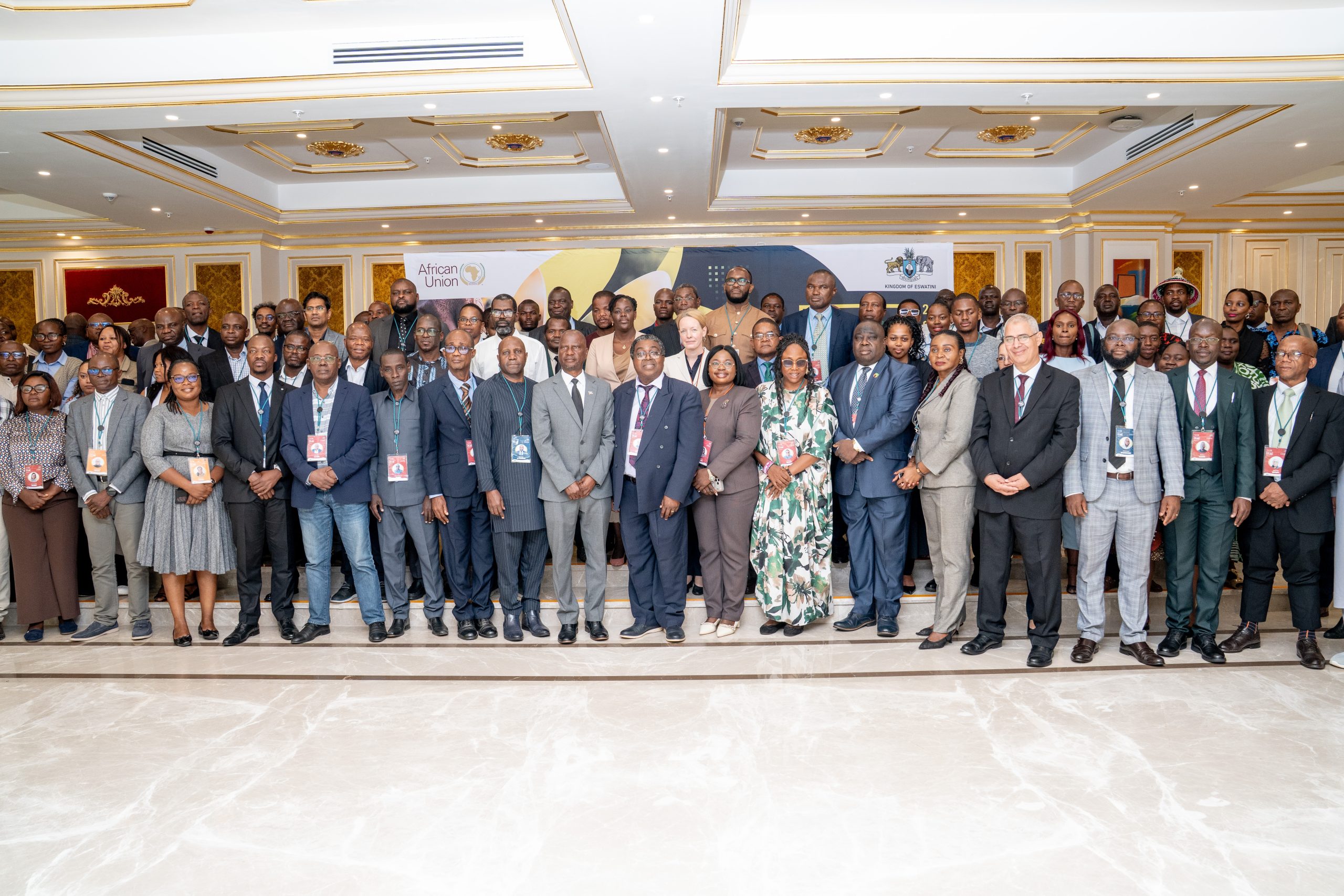
EZULWINI, Eswatini, October 5: Agricultural leaders and stakeholders gathered in Eswatini for the inaugural Seed Summit, calling on Africa to prioritize building robust seed systems, increasing investment, advancing research, and facilitating the cross-border movement of seeds.
On the first day of the meeting, Mandla Tshawuka, the Minister of Agriculture for the Kingdom of Eswatini, stated that seeds are not merely agricultural inputs but the foundation of food security, economic sovereignty, climate resilience, trade, and investment.
Tshawuka clarified that his remarks were opening the officials' meeting, while the Seed Summit itself would be officially opened by His Majesty King Mswati III, the Head of State of Eswatini.
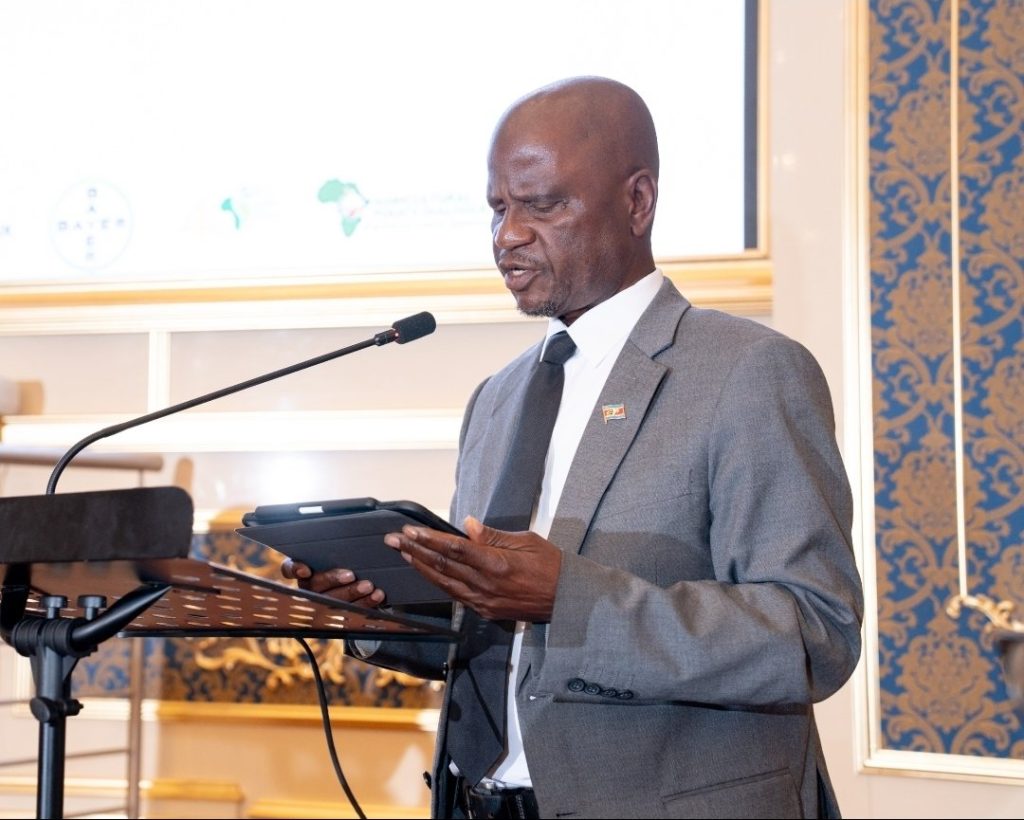
He noted that while Africa possesses immense agricultural potential, it continues to face challenges such as droughts, floods, extreme heat, pests and diseases, as well as disruptions to the supply and pricing of agricultural inputs. Minister Tshawuka stated that Africa should not continue to rely heavily on external markets for seeds and agricultural technologies that are crucial to the sector.
“Only those with the right seeds for a time such as this have a fighting chance of producing anything under the circumstances.”
He called for investment focused on research and innovation, plant breeding, scientific expertise, and research institutions, as well as on seed production, processing, storage, quality certification, and distribution.
Tshawuka further noted that Africa should shift from being a consumer of agricultural technology developed elsewhere to becoming a developer, creator, and trader of agricultural knowledge, technology, and seeds.
He urged for strong collaboration among governments, the African Union, regional economic communities, research institutions, development partners, and the private sector particularly regarding the harmonization of seed regulations, the development of plant varieties, certification, quality assurance, and the facilitation of cross-border seed movement.
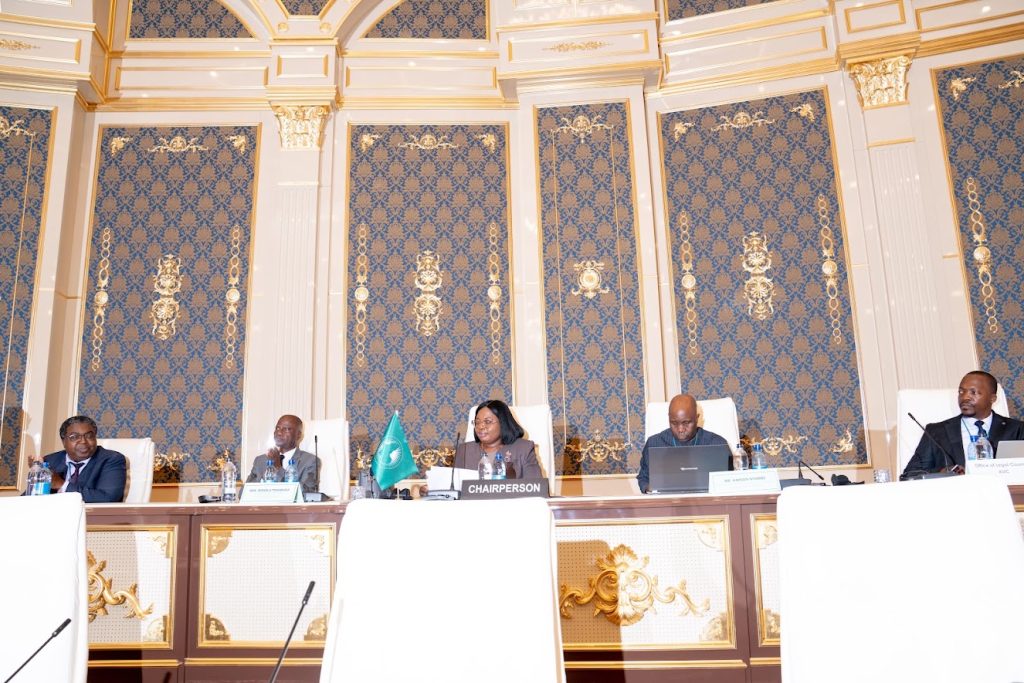
Speaking on behalf of the African Union, Harsen Nyambe Director of Sustainable Environment and Blue Economy and Acting Director of Agriculture and Rural Development at the African Union Commission stated that Africa’s goal of achieving food security, building resilient agricultural systems, creating jobs, and boosting the economy is anchored in seeds.
Nyambe noted that agricultural seeds are the foundation of production, linking plant breeding, innovation, research, biodiversity, and resilience.
He remarked that seeds serve as the vehicle through which scientific knowledge and technology reach farmers' fields, contributing to increased productivity, improved nutrition, climate change resilience, and better livelihoods for the population.
Nyambe observed that, although Africa possesses traditional seed varieties preserved and selected based on local knowledge and valued for their resilience against drought and pests many farmers still struggle to access high-quality, improved seeds.
He stated that the meeting offers an opportunity to review achievements, draw lessons, and establish concrete actions to advance seed-related initiatives across Africa. he called for good governance, the harmonization of regulations, increased investment, the promotion of innovation, and assistance to farmers in accessing quality seeds on time.
Speaking on behalf of the Bureau of the Specialized Technical Committee on Agriculture, Rural Development, Water and Environment (STC-ARDWE), Julia Nambili Deputy Director for Crop Research and Protection at Namibia’s Ministry of Agriculture, Water and Land Reform noted that the meeting is taking place at a time when Africa is grappling with climate change, droughts and floods, land degradation, pests and diseases, market disruptions, and rising food demand.
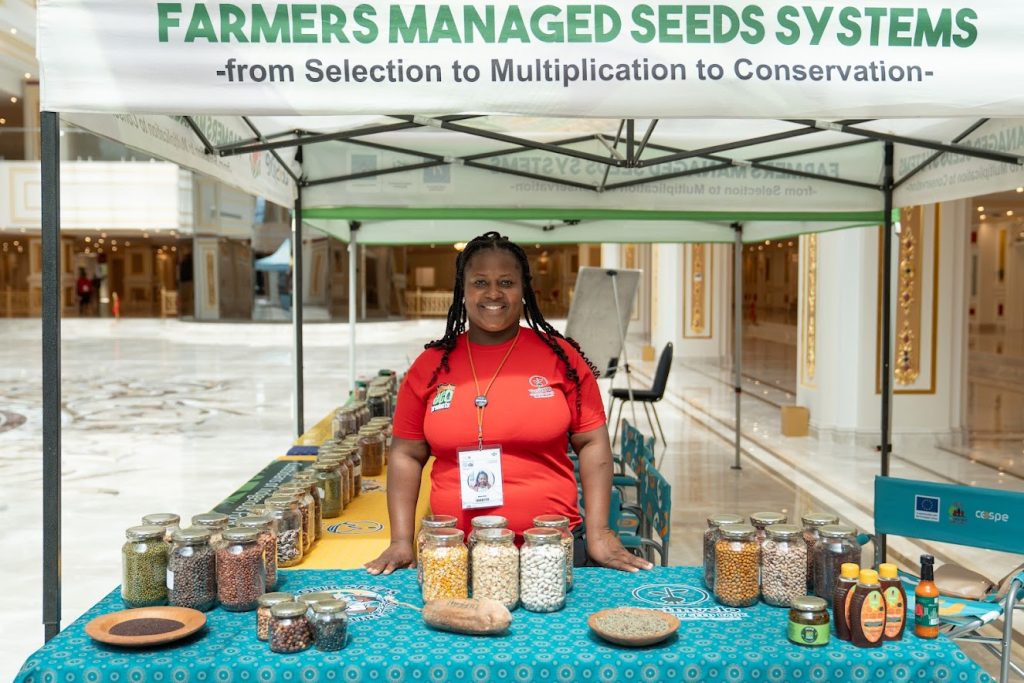
Nambili stated:
“Seed is the foundation of agricultural production. It determines productivity, resilience, nutritional outcomes and the ability of farmers to respond to changing climatic conditions.”
She emphasized that without quality, affordable seeds capable of withstanding climate change, Africa’s goals regarding food security, poverty reduction, industrialization, and economic growth cannot be effectively achieved.
Nambili pointed out that some farmers still rely on traditional seed systems because certified seeds may be unavailable to them or too expensive. He also noted that there are still weaknesses in seed production and distribution, investment in research and plant breeding, quality control, and the enforcement of regulations.
She stated that this meeting should not be viewed solely as a discussion about seeds; rather, the deliberations concern Africa’s food security, rural development, resilience to climate change, and long-term economic growth.
Nambili emphasized the importance of harmonizing seed policies and regulations across the continent, as well as boosting research, certification, breeding, and extension services, and facilitating the cross-border movement of seeds.
She also called for prioritizing women, youth, and smallholder farmers, and for increasing the application of science, technology, and innovation including plant breeding, biotechnology, digital agriculture, and seed quality assurance.
Speakers at the meeting stressed that the success of the seed sector should not be measured merely by conference resolutions, but rather by farmers' actual access to quality seeds and technology, and their ability to improve their livelihoods.
Tshawuka urged that the meeting go beyond setting targets to identify actionable investment opportunities, link research with commercial investment, strengthen public-private partnerships, support African seed companies, and invest in climate-resilient seed varieties.

He emphasized that farmers must be at the center of these efforts, and that seeds must be of high quality, perform well in local farming conditions, yield marketable produce, and boost farmers' incomes and resilience.
In conclusion, Tshawuka stated that Africa possesses the resources, people, markets, and knowledge needed to achieve food self-sufficiency, but that strong partnerships, increased investment, robust institutions, and political will are required.
He concluded by saying: “The seed we plant today will determine the harvest of Africa tomorrow.” He noted that investing in seeds is an investment in farmers, food security, peace, stability, and economic development, all with the aim of realizing the "Africa We Want" envisioned in Agenda 2063.
Written By Jean Bernard MUKUNDENTE