
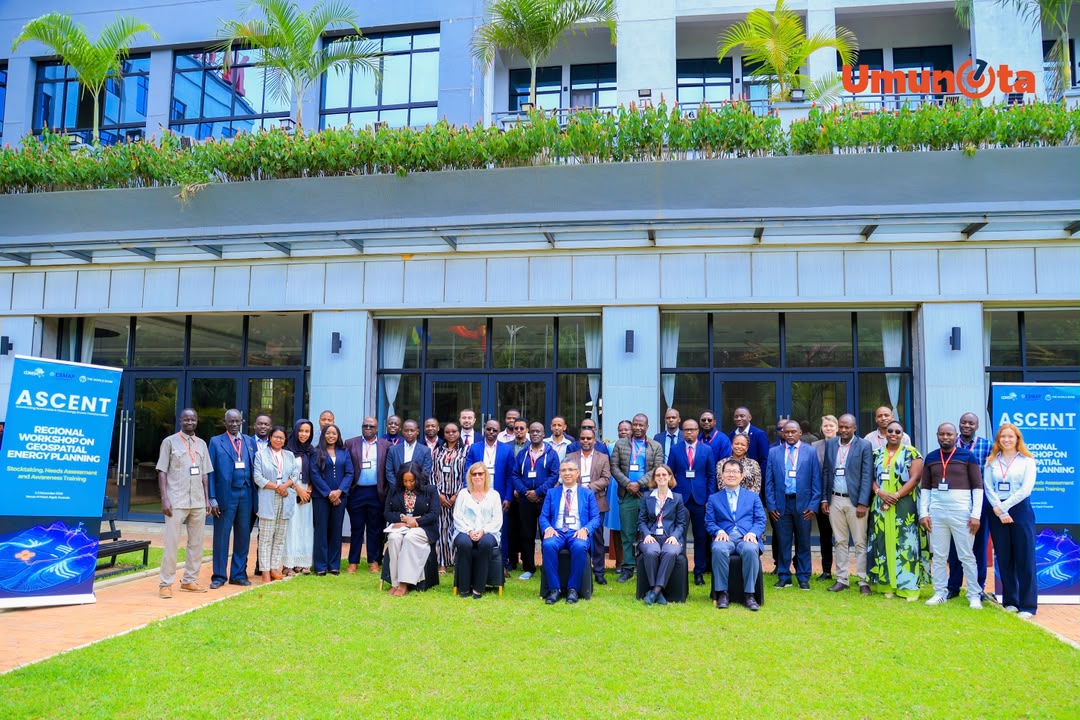
KIGALI, RWANDA – Countries all over Eastern and Southern Africa are working on ways to enhance their planning of power infrastructure, with the use of geospatial technology allowing the identification of markets with low electricity access and directing investments into inexpensive, decent energy solutions.
The initiative is being implemented through a regional project that involves COMESA, as well as the World Bank and Climate Compatible Growth (CCG) and unites energy technology investors and power actors for strengthening national efficiency in integrated electrification planning.
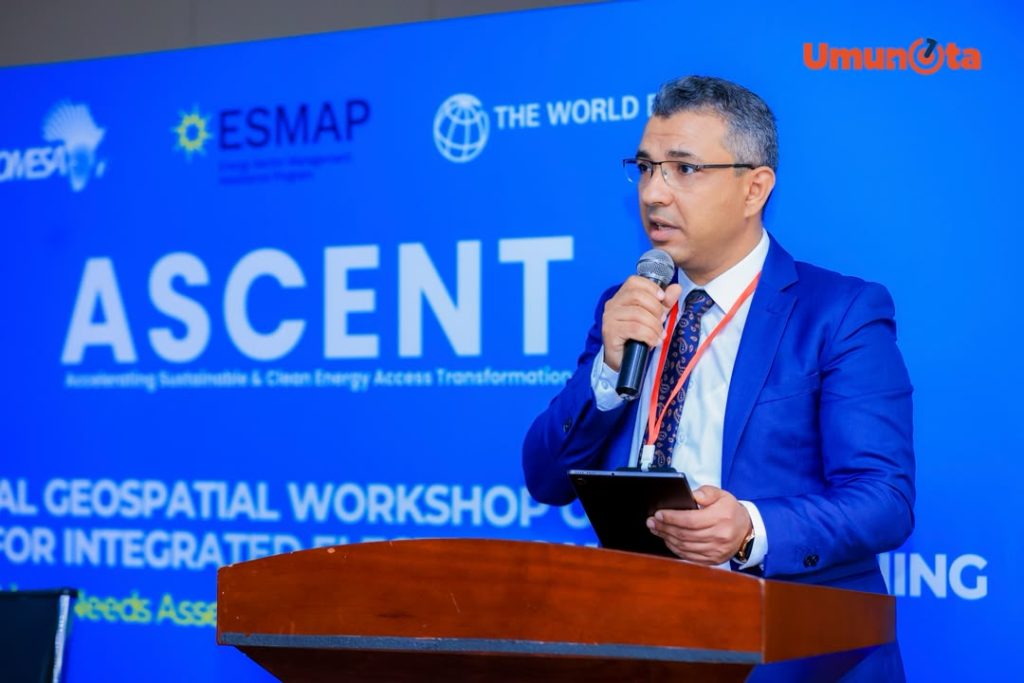
The implementation of the initiative is presently being covered by the two-day Regional Geospatial Workshop, which is dedicated to the Capacity Development for Integrated Electrification Planning and took place in Kigali on the 2nd November 2026 under the Accelerating Sustainable and Clean Energy Access Transformation in Eastern and Southern Africa (ASCENT) programme.
The aim of the workshop is finding out how geographical data and mapping technologies can help governments to figure out where to supply electricity, assess existing infrastructure and what measures should be taken in order to improve access.
Solutions may include national grid expansions, the creation of mini-grids, or the establishment of off-grid renewable energy systems, depending on local conditions. Improved planning can help to avoid expensive construction costs while not leaving areas outside existing networks unattended.
Dr. Ahmed Abdallah, an Energy Economist at COMESA, pointed to the importance of reliable data and geographical analysis in shaping investment choices and selecting the most appropriate electrification method.
For these countries it is of great importance to perform this task as they expand electricity access in conditions of limited budget and varying geographical locations and population needs.
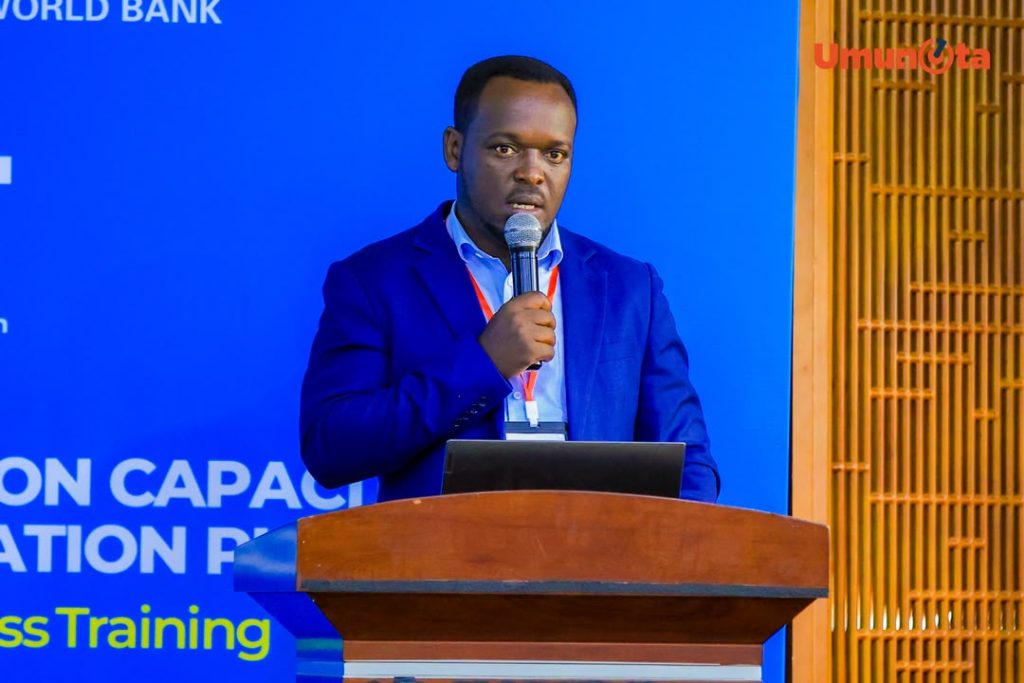
Representing Rwanda, Jovin Sekanabanga of the Energy Development Corporation Limited (EDCL), a subsidiary of Rwanda Energy Group (REG), said the workshop provides an opportunity to improve national planning through knowledge exchange, better data management and stronger cooperation with development partners.
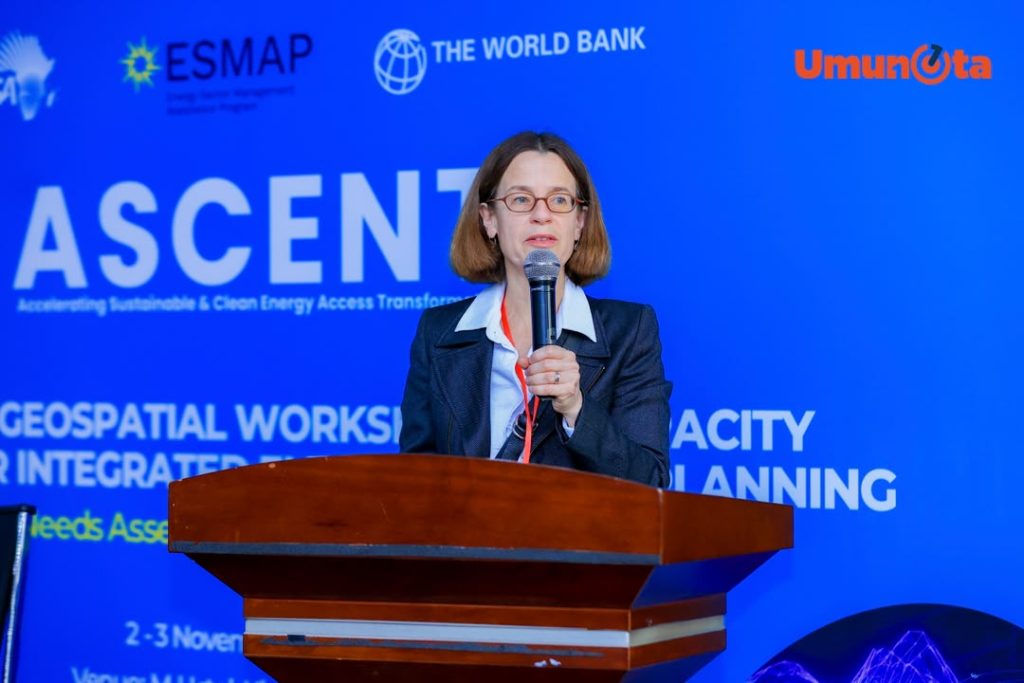
Representatives from the World Bank and the CCG pointed out the importance of sustained planning, local technical skills and cross-sector coordination if electricity investments are to meet the ever shifting needs and priorities of national development.
The reliable and affordable supply of electricity, however, does not only affect households. In rural economies, it may facilitate agricultural processing, irrigation and storage of goods while creating a broader environment for small businesses development and strengthening agricultural value chains. Additional renewable energy initiatives will further enhance the transition to the sustainable energy system.
The goal of the current workshop is assisting countries in assessing their planning capabilities, concentrating their efforts and establishing the required technical support.
This initiative fits well into the overall Mission 300 objective. The ASCENT project aims to ensure access to electricity for 100 million people living in Eastern and Southern Africa.
The participating leaders believe that enhanced geospatial planning and regional cooperation would lead to much faster access to affordable, reliable and sustainable electricity.
Photo Credit: Umunota.com