
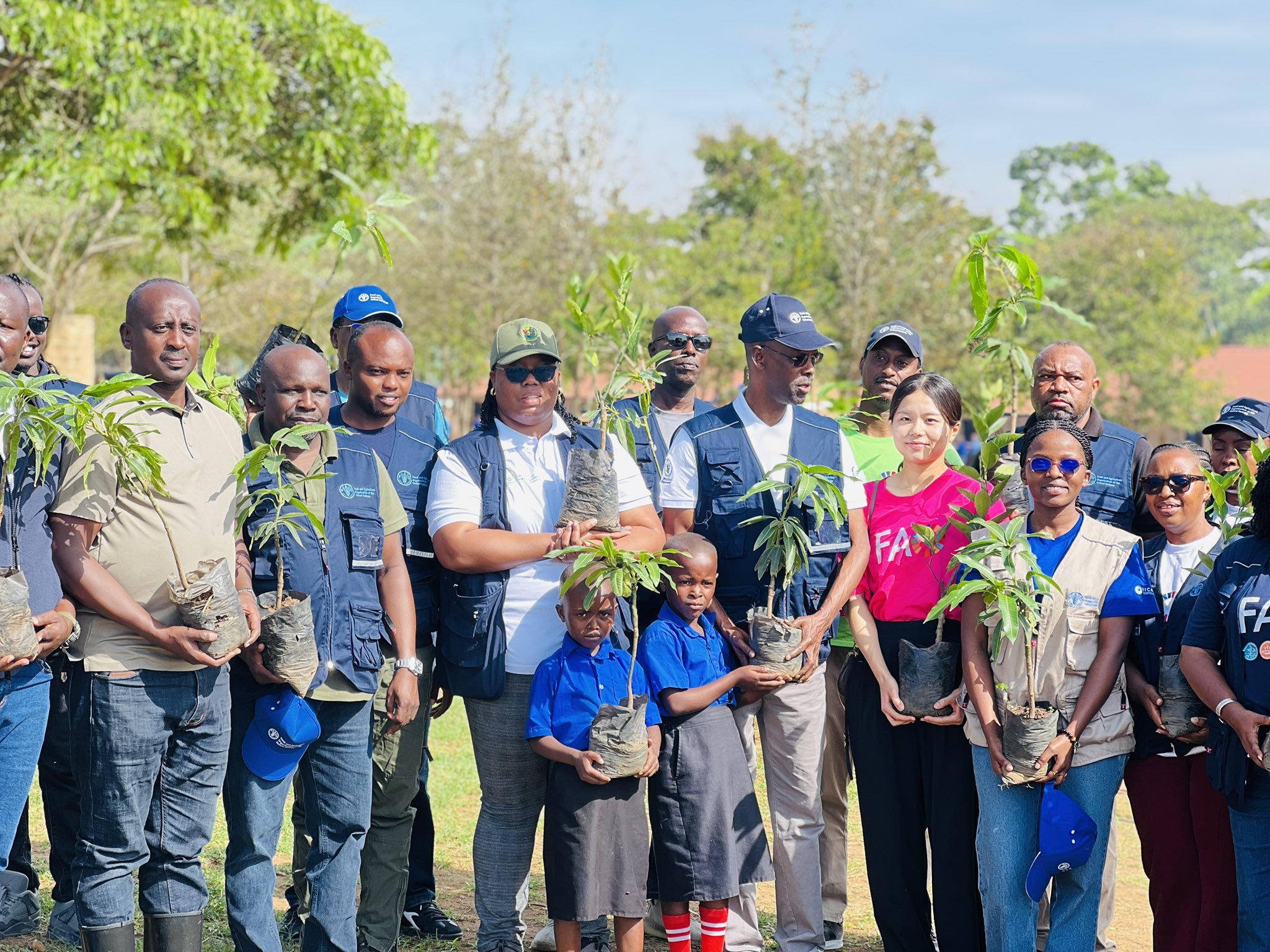
The initiative will cover 25 schools across the district, combining efforts to improve children’s access to nutritious food with environmental conservation.
Nyagatare District is implementing a new initiative to plant 10,000 fruit trees in 25 schools to help promote healthy eating habits among the students as well as to better protect the environment. This particular project has to do both with food and with nature.
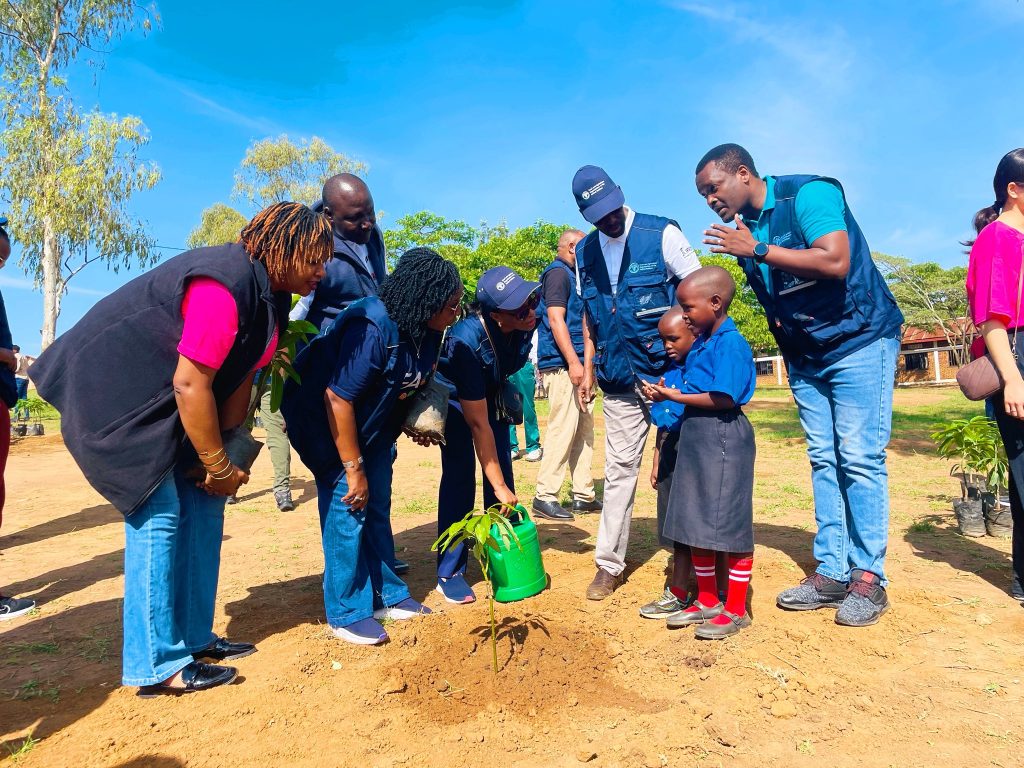
The activity began at GS Nyarupfubire with the planting of 530 trees as part of the preparations for World Food Day celebrations. As a part of the project launch, government officials met with teachers and students at GS Nyarupfubire.
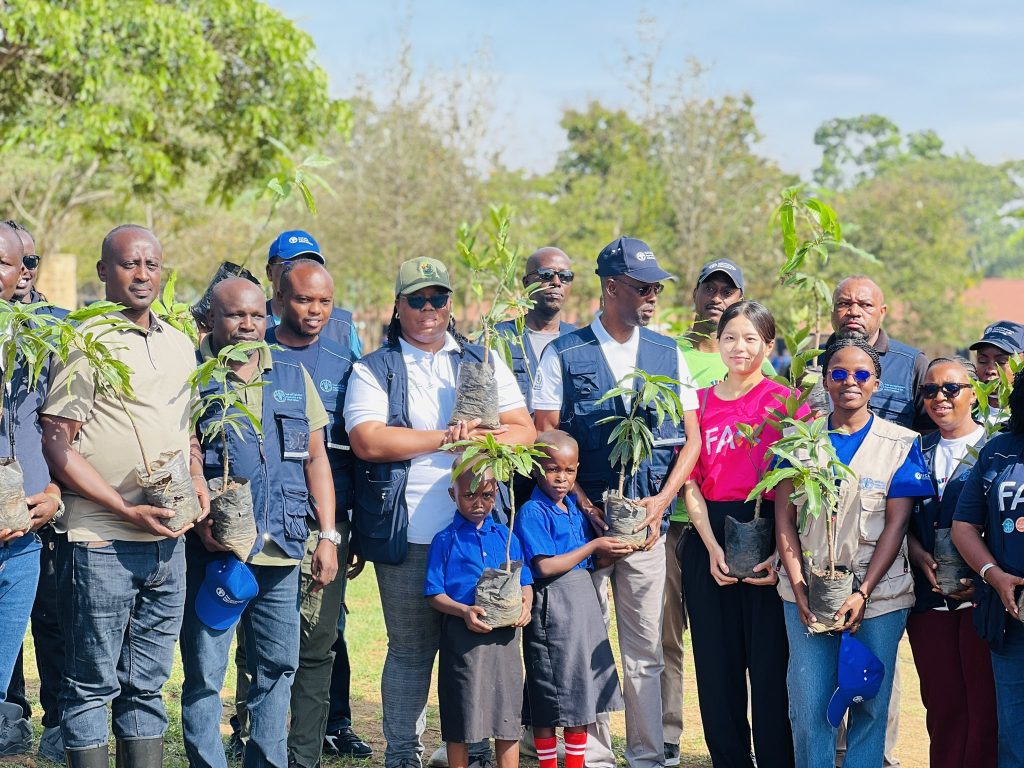
Among the participants were Dr Solange Uwituze, the Minister of State in the Ministry of Agriculture and Animal Resources, FAO representative in Rwanda Mohamed Aw-Dahir, and local government leaders.
As stated by officials, it is expected that these saplings will eventually bear fruits that the school community can consume, while making the environment of learning greener and healthier.
During his speech, Aw-Dahir explained that the efforts would have positive impacts that go beyond beautifying school premises. He stated that it will also assist students and the community members in getting access to fruits from trees. He, however, reminded all participants that planting the trees is only the beginning since the survival of these trees and their fruit-bearing abilities will depend on ongoing care.
“The environment protection is a matter of our concern, which means that we have to ensure that we will create suitable conditions for ourselves and future generations,” emphasized Aw-Dahir.
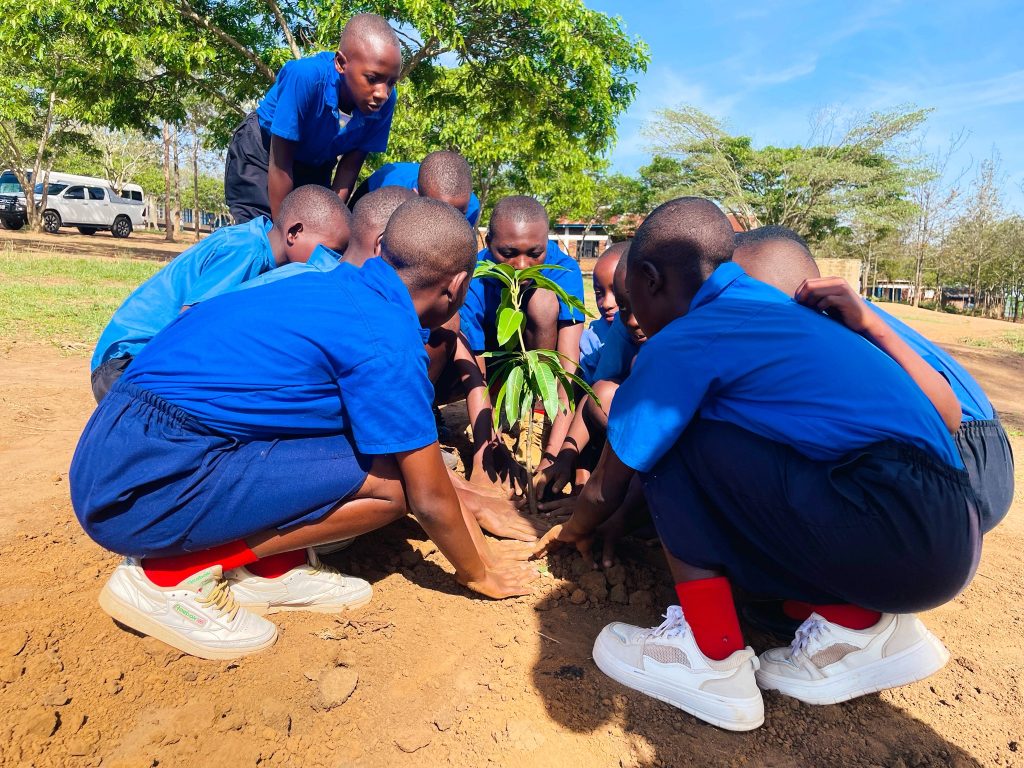
The students of GS Nyarupfubire confirmed their readiness to participate in taking care of the trees together with their teachers and saying that they understand the importance of the trees for the future of the school.
According to one of the students, Mugabo Hertier, tree planting will help students make sure that they will get fruits from the trees in the future.
"The trees will be of great usefulness to us as when the fruits begin to bear their fruits, we are going to be able to use them as part of our meals in school. This will also have positive impacts on our health as fruits are rich in vitamins," he added. In addition, Mugabo believes that the trees are important for reducing the strength of winds and improving the appearance of the surroundings of the school.
As for the teachers of the school, they consider this initiative as an opportunity to link the saving ecology with practical education and at the same time improve nutrition in a notable way.
Nkurunziza Ibrahim, a teacher of GS Nyarupfubire School mentioned that the trees can be useful in combating the problem of malnutrition among children, as they are going to bring different types of fruits to the school community.
He also urged all teachers to fully engage into the matter and motivate students to look after the trees.
"These trees will also give us a possibility to show students the significance of environmental protection and create long-lasting habits in this regard," he added.
The initiative is likely to continue across the 14 sectors of Nyagatare District with a wider effort to involve the greater community as well as households in the planting of fruit trees besides schools.
Gozague Matsiko, Vice Mayor of Nyagatare District charges of Economic Development, mentioned that the district wants tree planting to be a continuous activity and not a once-off campaign.
"We will keep up this initiative and plant trees, especially fruit trees, at least once a school term. This is a very strong strategy to combat malnutrition in the district. We also have designs to reach out to residents by giving them fruit trees," he noted.
Dr. Solange Uwituze pointed out that the initiative should not stop in Nyagatare. She stated that it would go further to be expanded to other areas of the country.
She said the management at GS Nyarupfubire should ensure that the trees are properly maintained and protected from damage.
"a wise child builds on what he's been taught. That means taking an effort to ensure we do not come back to find the trees neglected or damaged by sunlight or eaten by livestock," she added.
The program under discussion unites two closely related priorities, namely, enhancing provision of healthy food and protecting the environment.
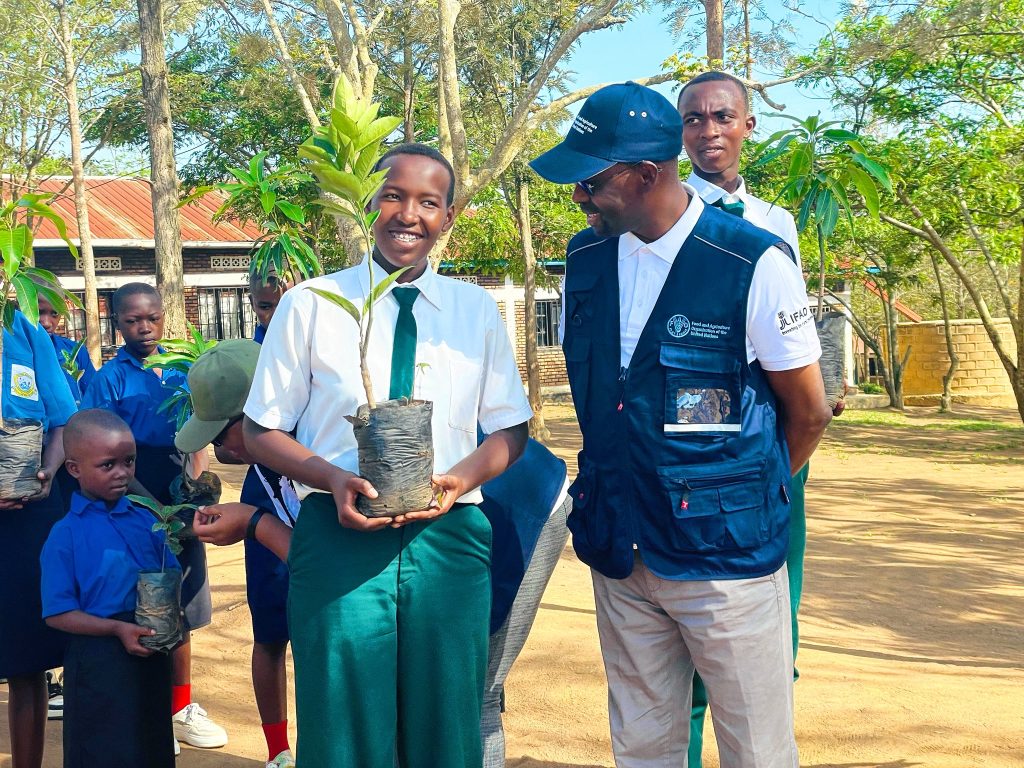
Once the fruit trees are grown, they could provide food for school communities as well as contribute to improving the environment. However, this will only work if the trees withstand different risks that they are exposed to.
In order for this program to work effectively, it is crucial to water the trees, protect them from animals and other forms of damages, and also supervise whether the development of trees goes as planned.
The project combines 10000 trees across 25 schools and already 530 trees are planted at GS Nyarupfubire school. The first and the most important challenge now is to find out if this planting activity will evolve into continuous effort of planting the fruits trees.