

Rwanda’s agribusiness sector keeps on changing, especially now that young entrepreneurs are slowly moving away from just growing crops and, you know, going toward value addition and some more industrial innovation type stuff. One thing coming up is Mutoni GoodLuck, founder of Goodness of God Ltd, a company that takes locally grown crops and turns them into natural cosmetic products, sort of like oils and balms you can feel good about.
What she is doing really shows this wider pattern, where youth link farming to manufacturing, markets and innovation. Goodness of God Ltd processes onions, ginger, garlic, and rosemary into a natural haircare oil, the brand is KURA. They’re positioning it as a chemical free option, made to help with hair breakage, slow growth, and scalp related issues.
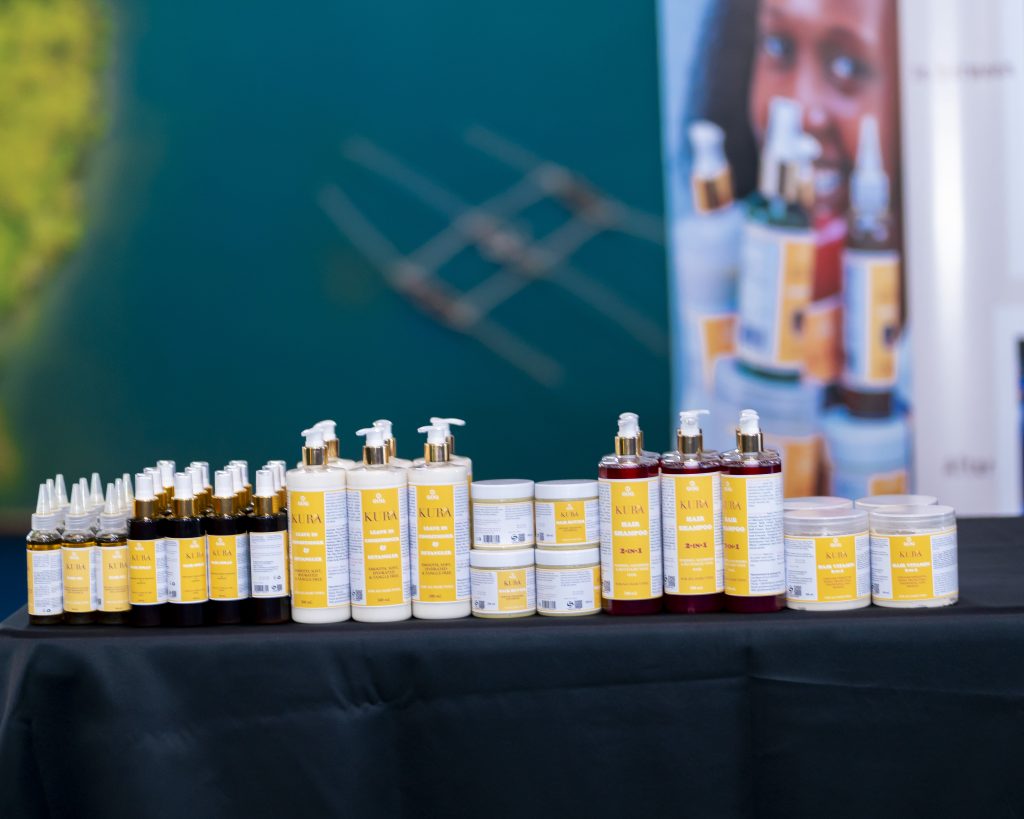
Mutoni’s story started back in 2019 with a personal kind of trouble. She noticed damage on her hair and started looking for solutions outside the usual chemical-based products. That search took her to Tanzania, where she studied natural cosmetic production, but she ran into a problem, plant materials she needed weren’t easy to get in Rwanda. So then she looked closer at what Rwanda already has, and tried to work with local agricultural resources instead.
After research, she identified onions, garlic, ginger and rosemary as key ingredients, things with properties that support hair and scalp health. That became the foundation for KURA oil development. Then by 2024, the idea was no longer just an idea, it turned into a real commercial product. KURA entered the market as a natural haircare solution made from agricultural inputs.
Mutoni said that the motivation first was personal, but the results expanded further than her own needs. “I started by trying to solve my own hair challenges. Along the way I realized the solution could also create opportunities for farmers and other users,” she explained.
Beyond making the product, the company has built linkages with smallholder farmers who supply the raw materials. This includes onion, garlic, ginger, and rosemary producers. In a lot of rural areas, farmers deal with unstable markets, post-harvest losses, and price changes that can be very stressful. Goodness of God Ltd gives a more structured market for selected crops, which helps to stabilize income, at least more than before.
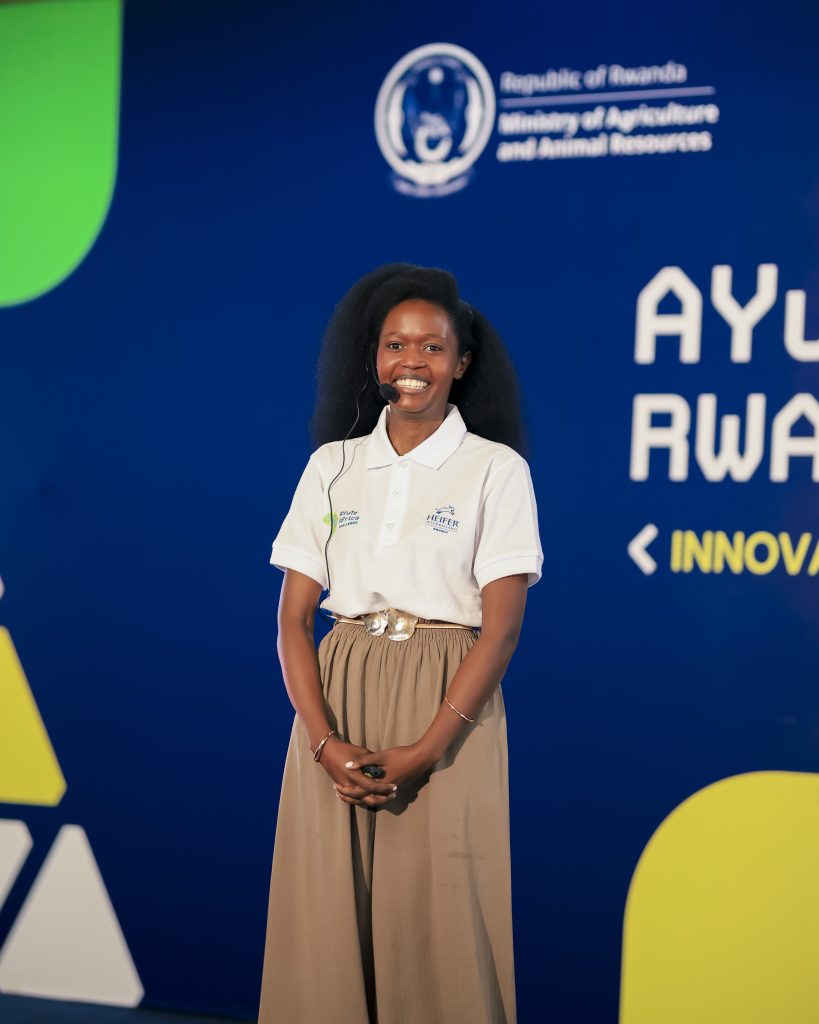
The company also trains farmers on good agricultural practices and helps them access better planting material. On top of that, farmers are introduced to digital tools, tools that make it easier to spot pests and diseases early. In general, this approach supports production and supply chains, while also encouraging more consistent quality for the raw materials.
Mutoni also emphasized that agriculture should not be seen only as planting and harvesting. “Agriculture should not stop at harvesting. When crops are transformed into finished products, they generate business opportunities, employment, and long-term value,” she said.
In 2026, Goodness of God Ltd won first place in the AYuTe Africa Challenge Rwanda, getting a prize of RWF 30 million. The challenge is organized by Heifer International Rwanda and it supports youth-led innovation in agriculture. The recognition basically placed the company among emerging agribusiness innovators, especially those using technology and value addition to reshape agricultural systems.
Mutoni described the award as something shared, not only her alone, but farmers, staff, and partners who backed the venture. The funds are being used to expand production capacity, upgrade processing equipment, and also increase procurement from farmers. The company is also working on product quality, and on meeting standards that are needed for broader market access.
Right now, Goodness of God Ltd is exploring expansion into regional and international markets, including Nigeria and Canada. This comes as global beauty and wellness industries seem to show more interest in African natural products. The longer-term goal is to establish a scalable agro-processing enterprise, rooted in local agricultural value chains.
Mutoni mentioned that agriculture needs to be repositioned, more like a space for innovation and enterprise, not just low output work. “Young people should not see agriculture as a low value activity. It is a sector with strong potential for innovation, investment, and industrial growth,” she said.
The vision is to become a leading agro-processing enterprise in Africa over the next five years. They want to scale production, strengthen farmer networks, and position KURA as a competitive African beauty brand. She also encourages young entrepreneurs to move first and ask questions later, as in “Start with available resources. Solve real problems. Innovation begins with action,” she added.
Overall, her path highlights the growing link between agriculture, entrepreneurship, and value addition in Rwanda’s development space. It also shows how youth-led innovation is reshaping how people view agriculture, from subsistence production toward an actual industrial opportunity.
Written By: Jean Bernard MUKUDENTE